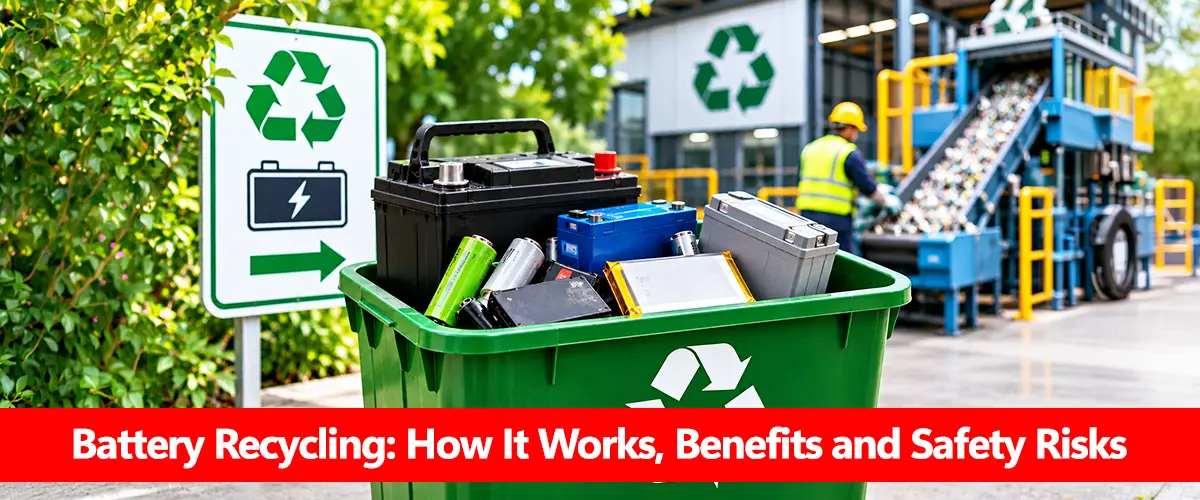
Battery recycling is the process of collecting used batteries and recovering valuable materials such as lead, lithium, nickel, cobalt, copper and plastics for further manufacturing. It helps conserve resources, reduces waste and prevents potentially hazardous batteries from entering unsuitable disposal systems.
However, not every battery follows the same recycling process. Lead-acid batteries used in cars and UPS systems are processed differently from lithium-ion batteries found in laptops, electric bikes and modern energy storage systems. Understanding these differences helps consumers choose safer and more responsible recycling services.
Why Is Battery Recycling Important?
Batteries contain materials that often remain valuable even after they can no longer provide useful electrical power. Recycling allows some of these materials to be recovered instead of being lost through disposal. The main benefits include reducing demand for newly mined materials, recovering metals for manufacturing and keeping hazardous batteries out of ordinary waste streams.
Recycling also helps reduce the risk of fires caused by batteries being crushed in waste-collection machinery. Lead-acid batteries present additional concerns because they contain toxic lead and corrosive electrolyte. These benefits depend on the quality of the recycling operation. Poorly controlled processing can create pollution and occupational health risks, making responsible facility selection essential.
Which Battery Materials Can Be Recycled?
The materials recovered depend on battery chemistry and the recycling technology available.
| Battery Type | Potentially Recoverable Materials | Common Recycling Applications |
| Lead-acid | Lead, plastic and treated electrolyte products | New batteries and industrial materials |
| Lithium-ion (NMC/NCA) | Nickel, cobalt, lithium, copper and aluminum | Battery materials and metal products |
| Lithium iron phosphate (LiFePO4) | Lithium, iron/phosphate materials, copper and aluminum | Battery and industrial material recovery |
| NiMH | Nickel and other metals | Metal refining and manufacturing |
| Alkaline | Zinc, manganese and steel | Metal recovery where facilities exist |
Not every recycler recovers every listed material. Actual recovery depends on battery composition, processing technology and commercial feasibility.
How Are Lead-Acid Batteries Recycled?
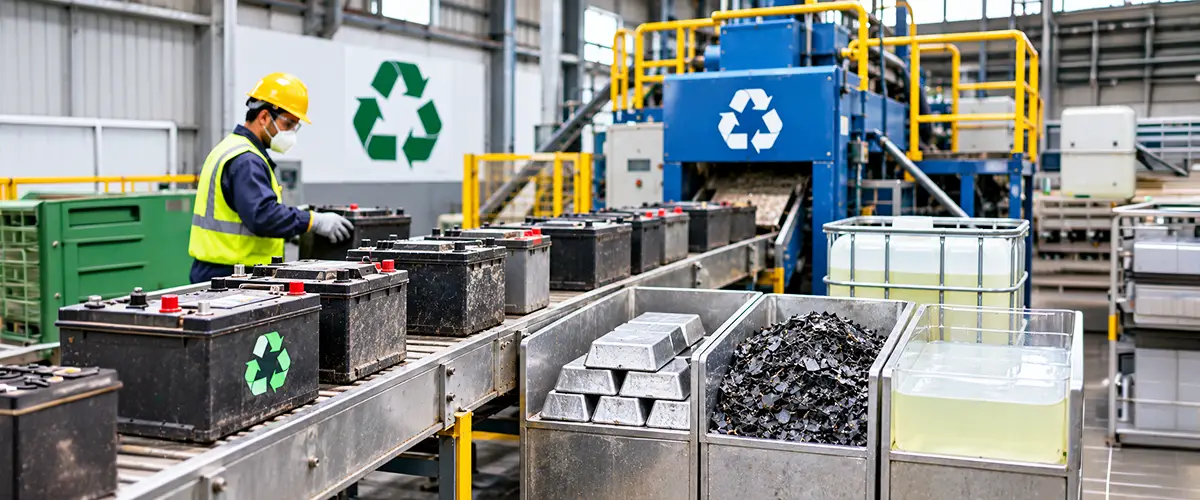
The lead-acid battery recycling process is an established industrial system designed to recover lead, plastic and electrolyte-related materials. According to Battery Council International, specialized facilities receive spent batteries, separate their components and process them through controlled recycling streams.
The general process involves four stages.
- Collection and sorting: Used batteries arrive from retailers, workshops and other approved collection channels.
- Component separation: Industrial equipment separates lead-containing parts, plastic cases and electrolyte.
- Material treatment: Recovered lead is refined, plastic is processed into reusable material, and electrolyte is treated or recovered through approved methods.
- Manufacturing reuse: Recovered materials can return to battery production or other suitable industrial applications.
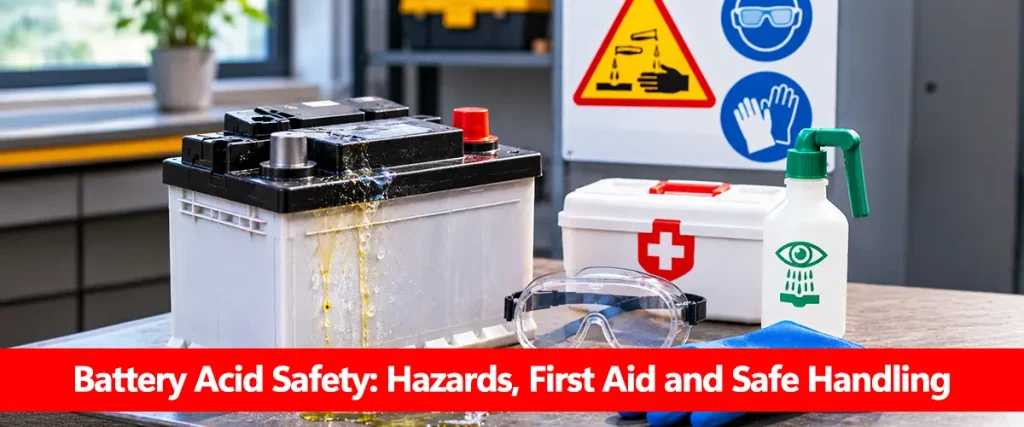
Lead-acid batteries are a strong example of material recovery, but these industrial steps should never be attempted at home. The process requires emission controls, trained workers and specialized equipment. Our battery acid safety guide explains why direct contact with lead-acid electrolyte is hazardous.
How Are Lithium-Ion Batteries Recycled?
The lithium-ion recycling process is more complex because battery packs contain different cell chemistries, electronics and combinations of metals. The US Environmental Protection Agency explains that industrial lithium battery recycling commonly begins with collection, sorting and preparation for controlled processing. Some facilities mechanically process batteries to produce a material known as black mass, which contains components from the anode and cathode.
Metals may then be recovered using processes such as:
- Hydrometallurgy: Chemical treatment that separates and recovers selected metals.
- Pyrometallurgy: High-temperature treatment used to recover certain valuable metals.
- Direct recycling: Developing methods intended to preserve and recover battery electrode materials with less rebuilding.
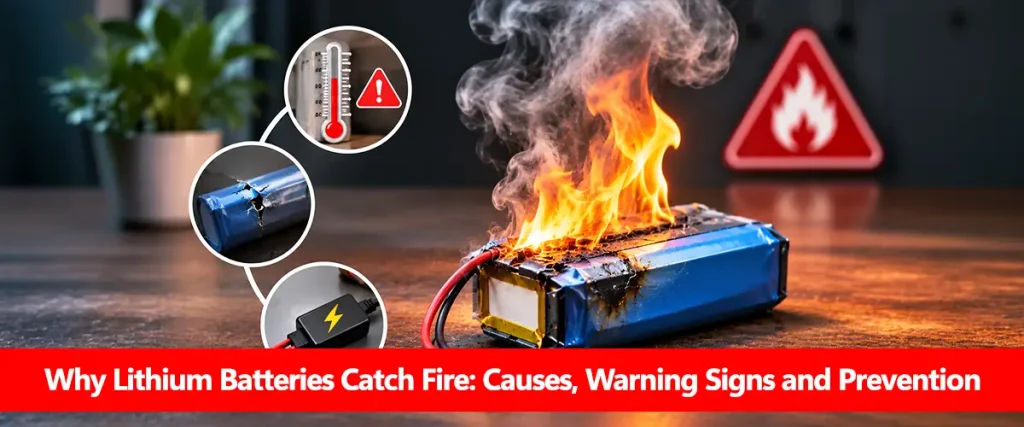
These are specialist industrial processes, not instructions for consumers to dismantle battery cells. Recovery efficiency varies across technologies. For example, some processes readily recover nickel or cobalt but require additional treatment to recover lithium. The fire-related hazards associated with damaged lithium batteries are explained in why lithium batteries catch fire.
The Risks of Improper Battery Recycling
- Battery recycling is beneficial only when waste materials and emissions are properly controlled.
- The World Health Organization identifies unsafe informal battery recycling as a significant source of lead exposure in some communities.
- Informal processing may involve dismantling batteries without suitable protection, releasing lead-containing dust or failing to manage corrosive electrolyte correctly.
- Lithium batteries create additional hazards if they are crushed, punctured or processed without appropriate electrical and fire-safety controls.
- Possible consequences include worker injuries, soil contamination, hazardous fumes and fires.
For general precautions when handling used batteries, read battery safety.
How to Choose a Responsible Battery Recycler
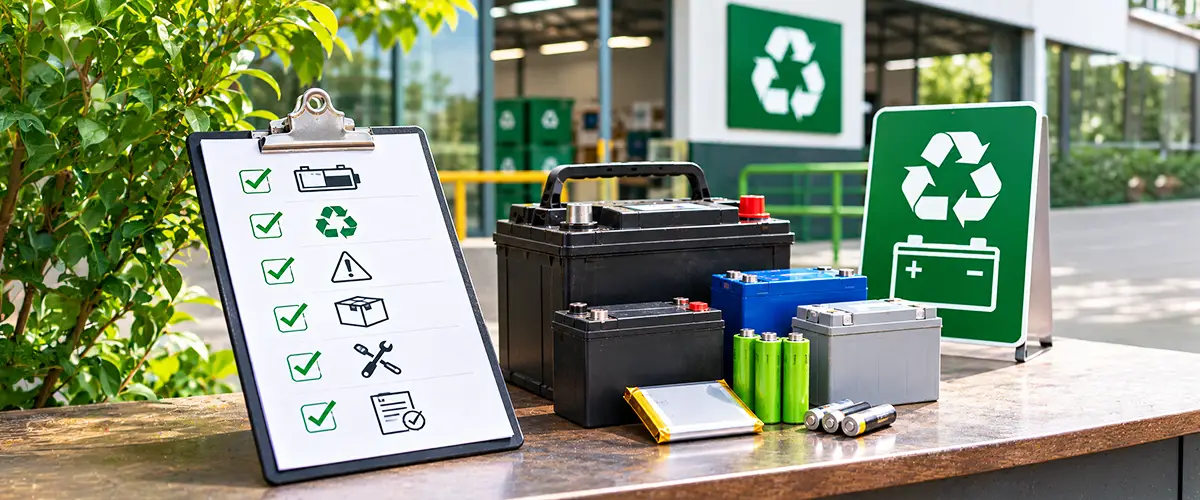
Before giving used batteries to a collection service, check whether the provider can manage your battery’s chemistry and condition.
Use this practical checklist:
- Confirm accepted battery types. Lead-acid, lithium-ion and household batteries may require separate handling.
- Ask about authorized processing. Choose a provider that can explain where batteries are recycled.
- Check damage acceptance. Swollen, leaking or fire-damaged batteries may need specialist arrangements.
- Review collection procedures. The recycler should provide suitable packaging and transport instructions.
- Avoid uncontrolled dismantling. Do not hand batteries to operators who openly drain acid or dismantle cells without safeguards.
- Request confirmation. Businesses handling larger battery quantities should ask for appropriate collection or recycling records.
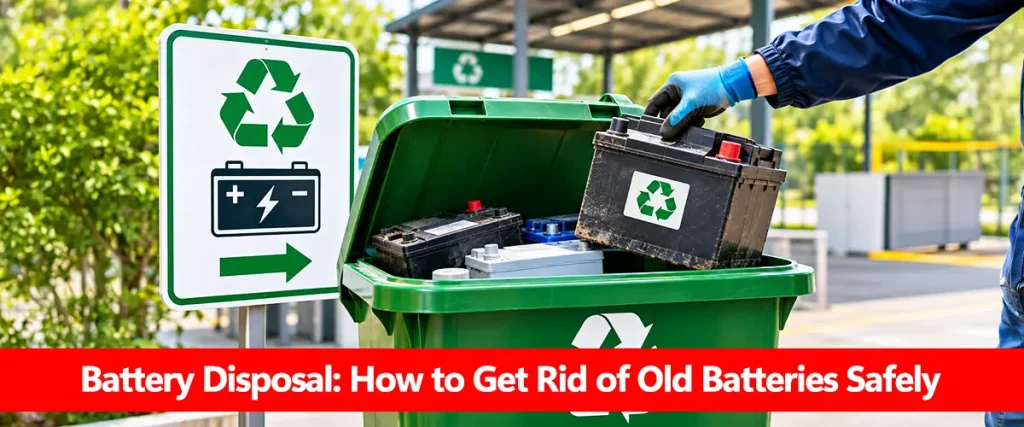
In Pakistan, established battery retailers, authorized service centers and qualified recycling companies can be starting points. However, a battery buyback offer alone does not establish that the downstream recycling process is environmentally responsible. For step-by-step instructions on handing over different battery types, see battery disposal.
What About Swollen or Damaged Batteries?
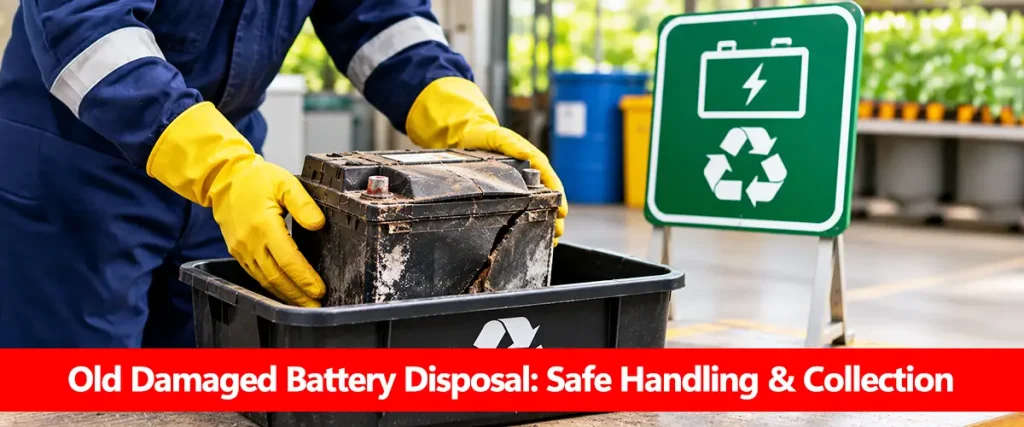
A damaged battery may require a different collection pathway from an ordinary end-of-life battery. Do not charge, puncture, crush, open or deliberately discharge a swollen or leaking battery before recycling. Contact the manufacturer or specialist recycler and disclose the damage before arranging transport.
If a battery is smoking, hissing, venting or rapidly overheating, move away, warn others and contact emergency services. Our old damaged battery disposal guide covers these cases in greater detail.
Does Battery Recycling Reduce the Need for Mining?
Recycling can return recovered metals to the manufacturing supply chain, reducing the need for some newly extracted materials. However, recycling does not eliminate mining altogether. Growing battery demand, collection limitations and differences in material recovery mean manufacturers may still need newly produced metals. The greatest benefit comes from combining responsible battery collection, effective recycling technology and products designed for longer useful lives.
Conclusion
Battery recycling helps recover valuable materials and keeps hazardous batteries out of inappropriate waste streams. Lead-acid recycling commonly recovers lead, plastic and electrolyte-related materials, while lithium-ion recycling uses more specialized processes to recover metals and battery components.
The most important step for consumers is choosing a suitable collection service with responsible downstream recycling practices. Never attempt industrial battery processing yourself, and seek specialist guidance for damaged batteries.
Frequently Asked Questions
What Is Battery Recycling?
Battery recycling is the collection and processing of used batteries to recover materials that can be reused in manufacturing or other suitable applications.
Can All Batteries Be Recycled?
Many battery types can be recycled, but available facilities and material recovery methods differ by chemistry and location.
How Are Car Batteries Recycled?
Lead-acid car batteries are processed in specialized facilities that separate and recover lead, plastic and electrolyte-related materials.
Can Lithium-Ion Batteries Be Recycled?
Yes. Specialized facilities can recover materials such as nickel, cobalt, copper and lithium, although recovery depends on the chemistry and technology used.
Is Battery Recycling Safe?
It can be performed safely at appropriately equipped facilities. Uncontrolled dismantling, lead processing and lithium battery handling can create serious hazards.
Where Can I Recycle Batteries in Pakistan?
Start with established battery retailers, manufacturer-authorized service providers or qualified recycling companies. Confirm the provider accepts your battery type and follows responsible processing practices.
Should I Recycle a Swollen Battery?
Yes, through a specialist service that accepts damaged batteries. Do not place it in an ordinary collection bin without approval.
What Is the Difference Between Battery Disposal and Recycling?
Disposal concerns safely managing a battery at the end of its use. Recycling is a specific process that recovers materials for reuse.
Are Recycled Battery Materials Used in New Batteries?
Yes. Recovered lead is widely used in new lead-acid batteries, and recovered lithium-battery materials may be refined for new battery manufacturing.