

Your cart is currently empty!.
You may check out all the available products and buy some in the shop.
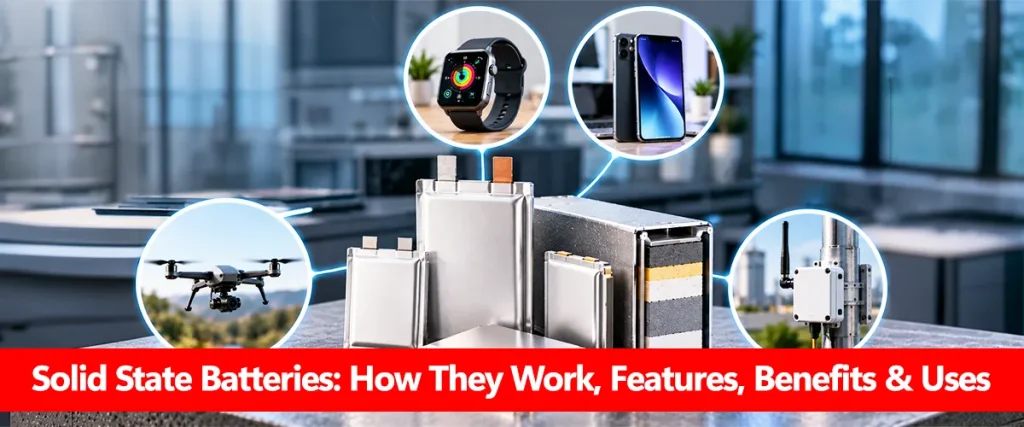
Continue ShoppingSolid state batteries are batteries that use a solid electrolyte instead of the liquid electrolyte found in many conventional rechargeable batteries.
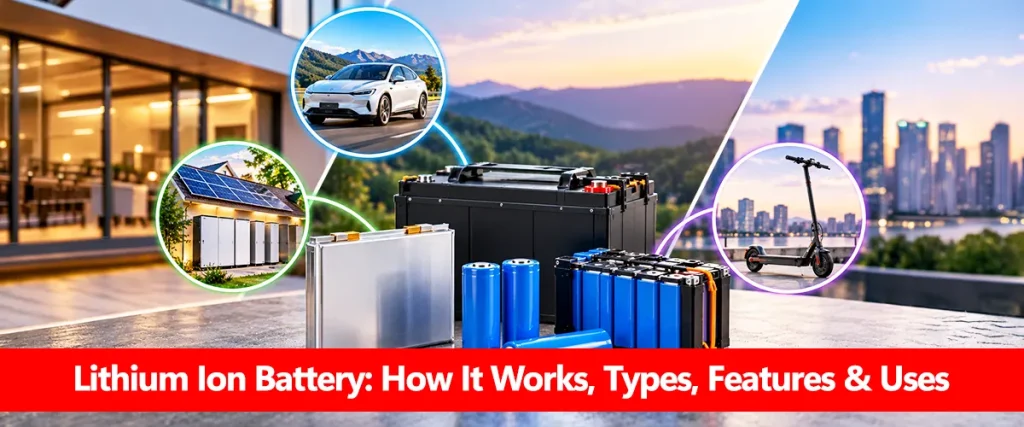
A lithium ion battery is a rechargeable battery that stores and releases electrical energy through the movement of lithium ions between its positive and…
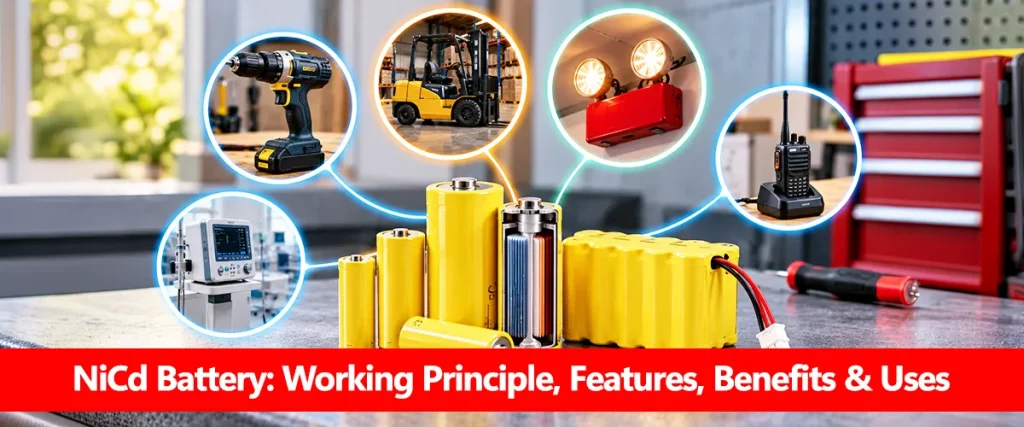
A NiCd battery (Nickel-Cadmium battery) is a rechargeable battery that uses nickel-based positive electrodes and cadmium-based negative electrodes to store and release electrical energy.
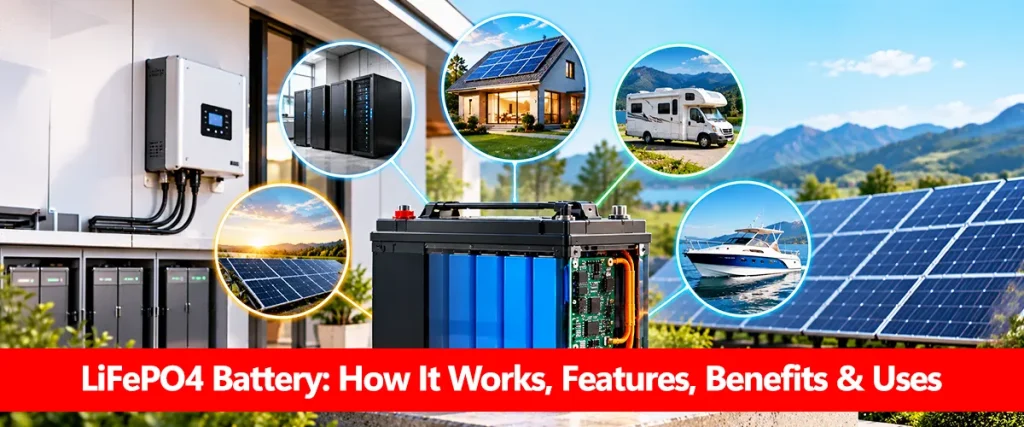
A LiFePO4 battery (Lithium Iron Phosphate battery) is a rechargeable lithium-ion battery that uses lithium iron phosphate as its positive electrode material.
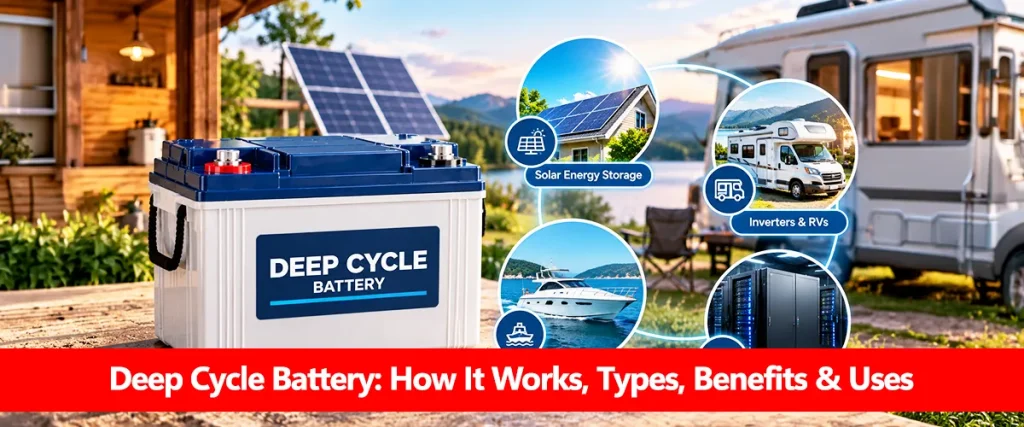
A deep cycle battery is a rechargeable battery designed to deliver electrical energy over extended periods and withstand repeated charging and discharging cycles.
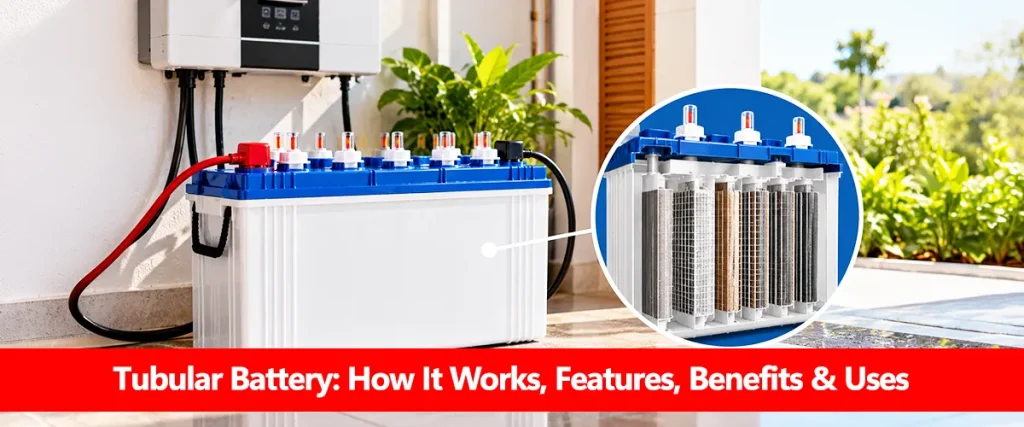
A tubular battery is a type of lead-acid battery that uses specially designed tubular positive plates to improve durability during repeated charging and discharging.
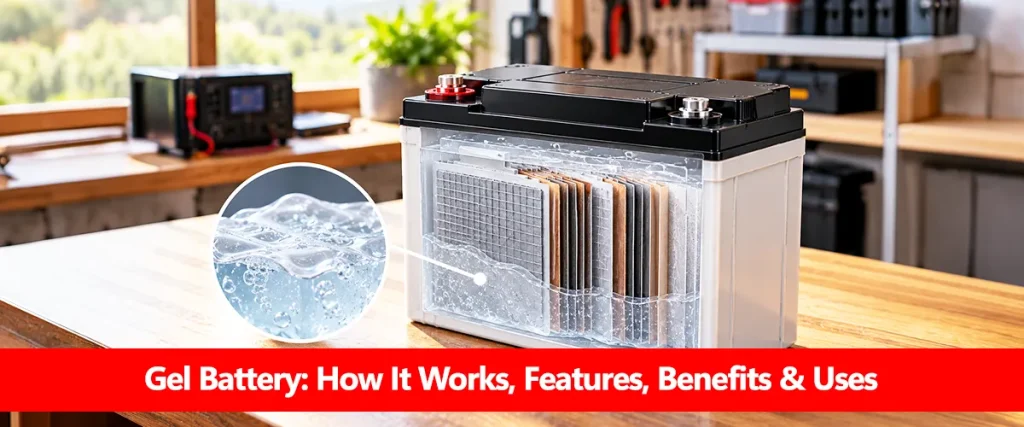
A gel battery is a rechargeable lead-acid battery that uses a gelled sulfuric acid electrolyte instead of freely flowing liquid electrolyte.
An AGM battery (Absorbent Glass Mat battery) is a rechargeable lead-acid battery that holds its electrolyte within fiberglass separators between the positive and negative…
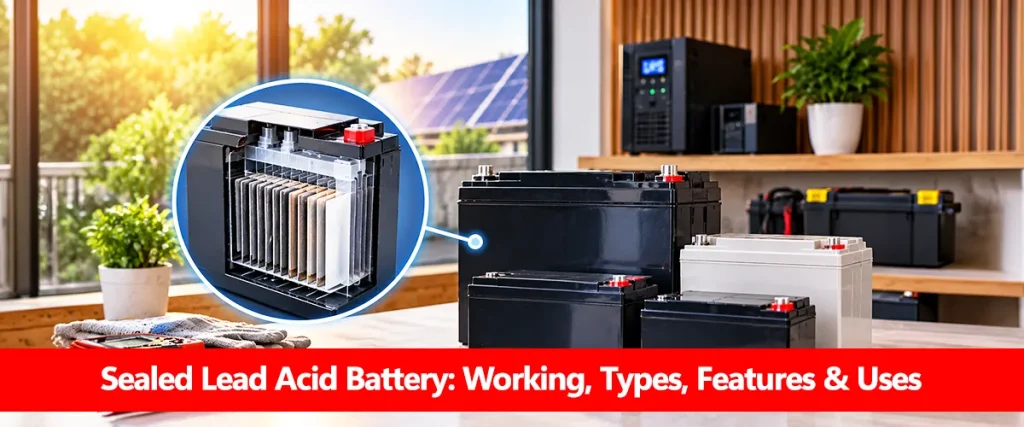
A sealed lead acid battery is a rechargeable battery designed to operate without routine electrolyte refilling.
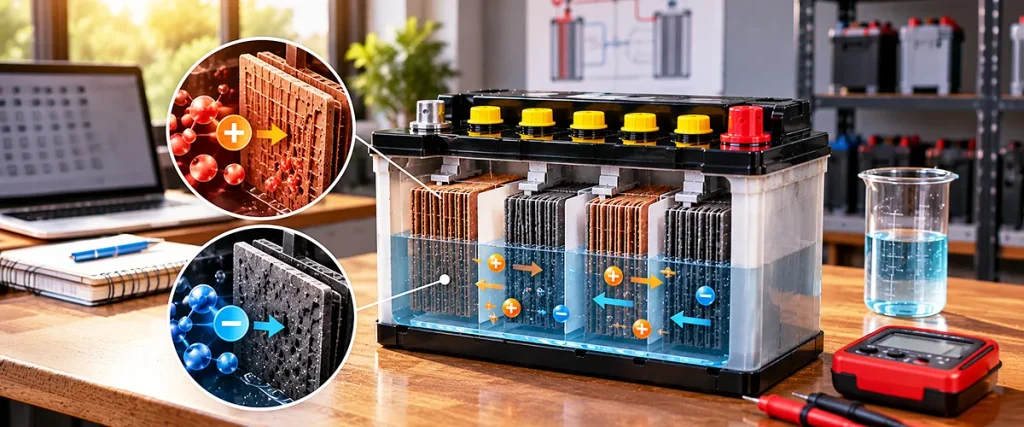
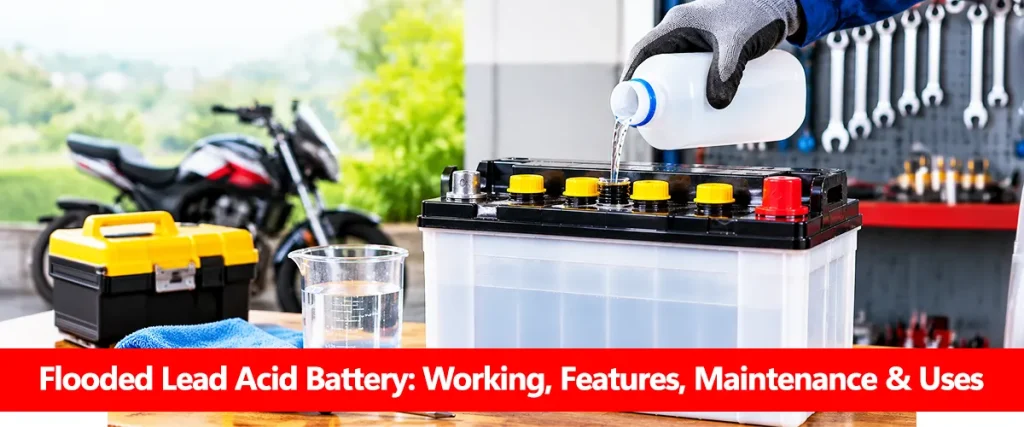
A flooded lead acid battery is a rechargeable battery that contains lead-based plates immersed in a liquid sulfuric acid electrolyte.
