








Your cart is currently empty!.
You may check out all the available products and buy some in the shop.
Continue ShoppingDepth of discharge (DoD) is the percentage of a battery's capacity that has been used since it was fully charged. If a battery has…
Battery cycle life is the number of charge and discharge cycles a rechargeable battery can complete before its capacity falls to a specified level.
State of charge vs state of health describes two different aspects of battery performance: how much charge remains and how well the battery performs…
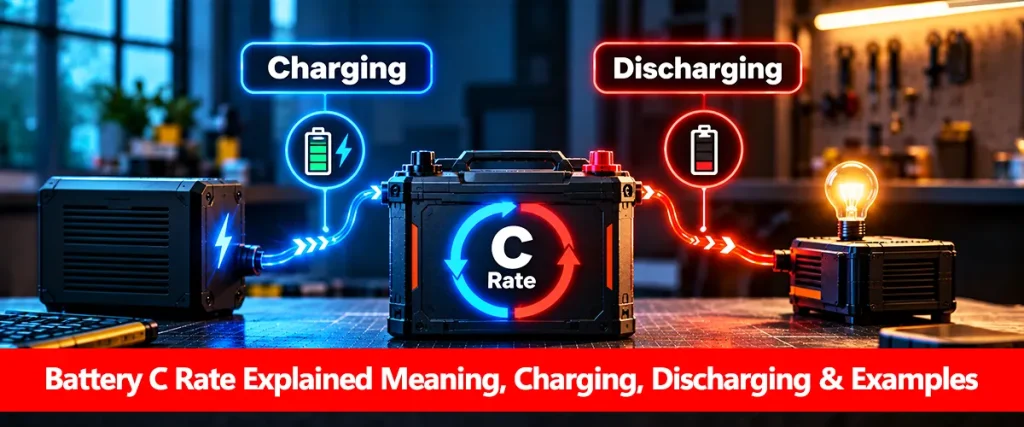
Battery C rate describes how quickly a battery charges or discharges compared with its rated capacity. A 100Ah battery operating at 1C carries 100…
Battery energy density describes how much energy a battery stores relative to its weight or volume, making it a key factor in how small,…
Ah vs Wh comes down to one important difference: amp-hours (Ah) measure electric charge, while watt-hours (Wh) measure electrical energy.
Battery watt hours (Wh) tell you how much electrical energy a battery is rated to deliver, making them one of the most useful numbers…
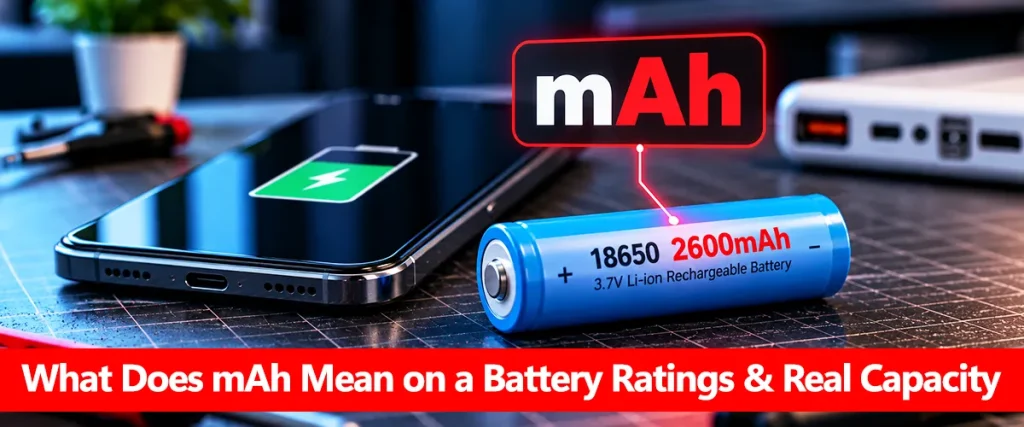
What does mAh mean on a battery? It stands for milliampere-hour, a unit used to measure a battery's electric charge capacity. A smartphone battery…
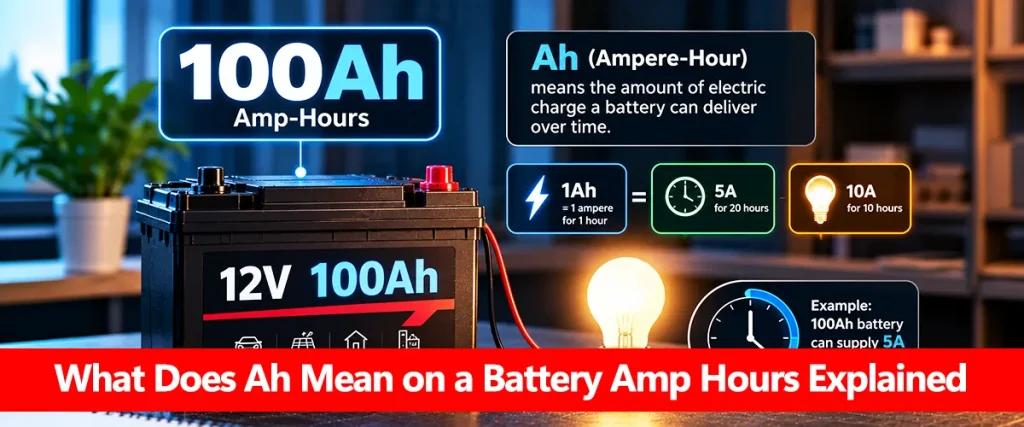
What does Ah mean on a battery, and does a higher number really mean longer backup time? Ah stands for ampere-hour
Battery capacity tells you how much electrical charge a battery can deliver, but the number printed on its label does not always reflect how…
