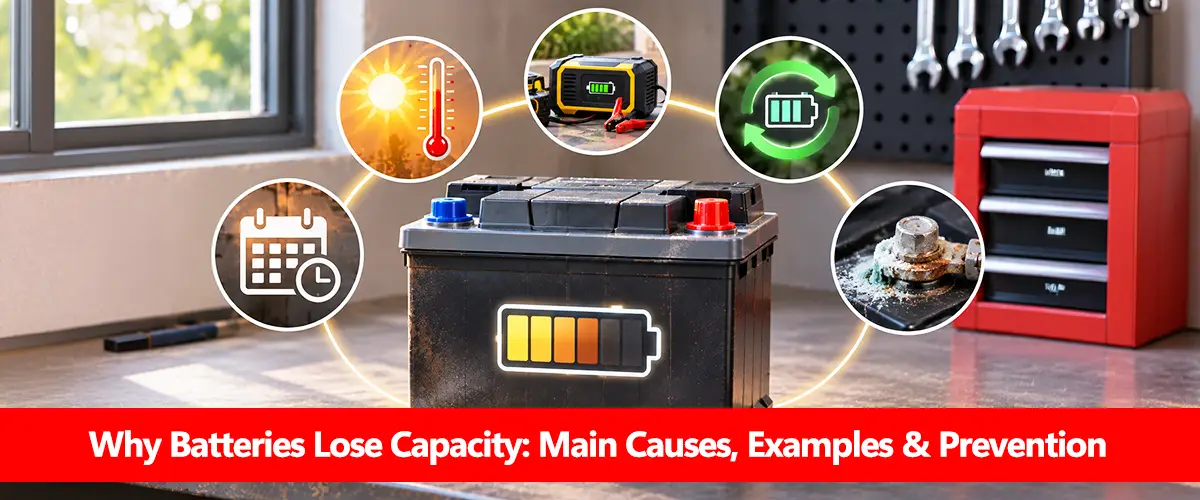
Why batteries lose capacity comes down to chemical aging, repeated charging cycles, temperature exposure and changes inside their cells. Over time, a rechargeable battery may store less energy than when it was new, even if it still charges and operates normally.
A car battery that struggles to start an engine or a UPS battery providing shorter backup may show signs of deterioration. However, reduced runtime does not always mean permanent capacity loss. Low charge, cold temperatures and heavy electrical loads can also temporarily limit usable energy.
What Does Battery Capacity Loss Actually Mean?
Battery capacity describes how much electrical charge or energy a battery can deliver under specified conditions. It is commonly expressed in amp-hours (Ah) or watt-hours (Wh).
When a battery loses capacity permanently, its internal components can no longer store or release as much energy as they originally could. This is different from a discharged battery, which may regain its available energy through proper charging.
Consider an illustrative battery originally rated at 100Ah:
| Battery Condition | Measured Full-Charge Capacity | Capacity Retained |
| New battery | 100Ah | 100% |
| Moderately aged | 90Ah | 90% |
| Significantly aged | 80Ah | 80% |
If the battery now delivers only 80Ah under comparable testing conditions, it has experienced approximately 20% capacity loss.
This measurement describes capacity retention, not how much charge remains at a particular moment. Our state of charge vs state of health guide explains that distinction.
The Main Reasons Batteries Lose Capacity
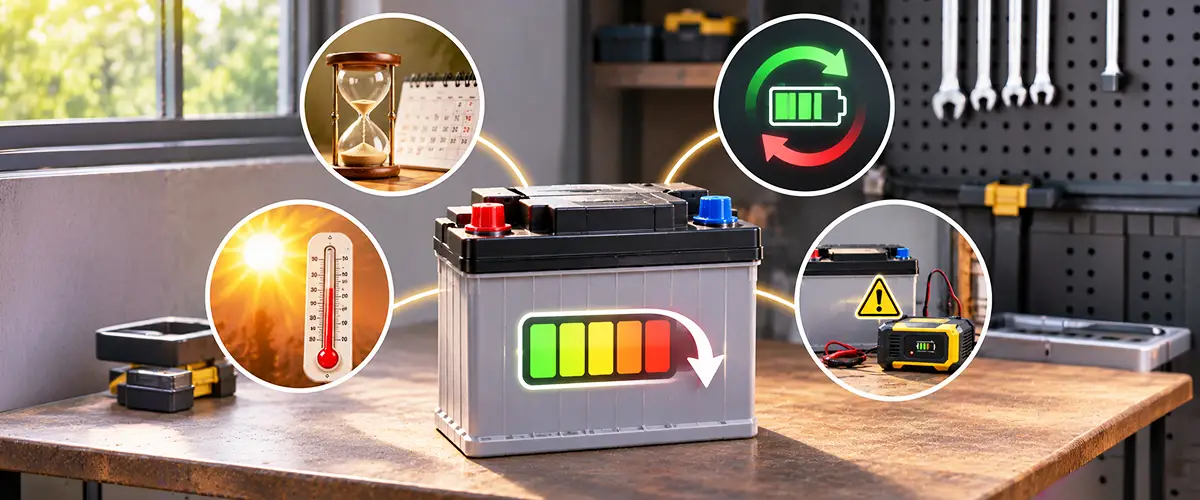
Several mechanisms can reduce battery capacity, but their importance varies by chemistry and operating conditions.
1. Natural Chemical Aging
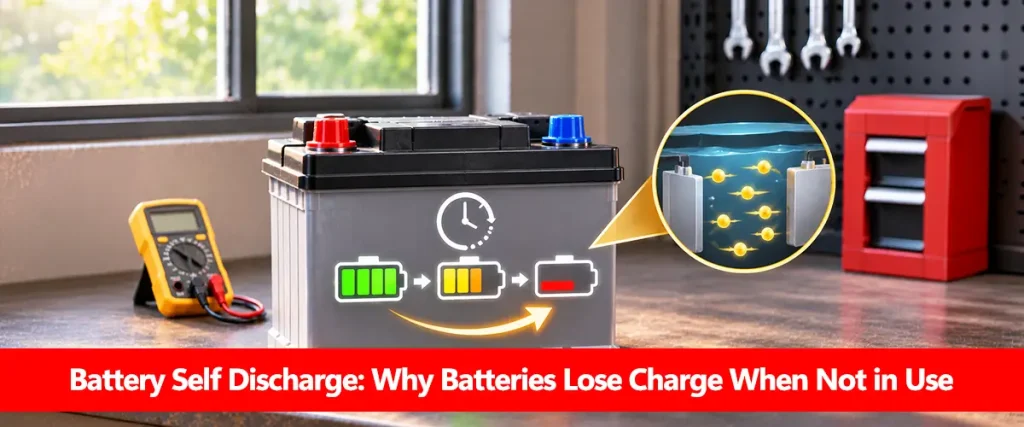
A battery gradually deteriorates even when it is not used. This is known as calendar aging. Chemical reactions continue inside the cells during storage, slowly changing their ability to store energy.
Lithium-ion batteries may lose usable lithium and active electrode material over time. Lead-acid batteries can also experience gradual plate deterioration and corrosion. This explains why an unused battery is not necessarily as healthy as a newly manufactured one.
2. Repeated Charging and Discharging
Rechargeable batteries are designed for repeated cycles, but each cycle can contribute to wear. Electrode materials gradually change as the battery charges and discharges.
Deeper cycles and demanding operating conditions may accelerate deterioration. The effect varies considerably between flooded lead-acid, AGM, lithium-ion and LiFePO4 batteries. For the relationship between usage and lifespan, see battery cycle life.
3. Excessive Heat
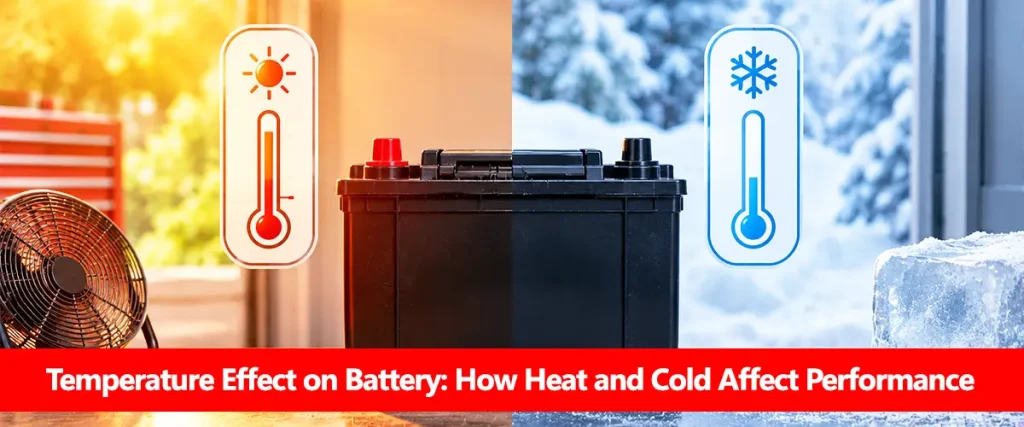
High temperatures accelerate unwanted chemical reactions and can cause permanent capacity loss. Heat may also increase self-discharge and internal degradation.
In Pakistan, batteries installed in hot UPS cabinets, vehicles or poorly ventilated rooms may experience additional thermal stress. The detailed relationship between performance, charging and temperature is explained in temperature effect on battery.
4. Incorrect Charging and Deep Discharge
Repeated undercharging or overcharging can damage a battery, depending on its chemistry. Lead-acid batteries are particularly vulnerable to prolonged undercharging, which encourages sulfation.
Deep discharge may also accelerate aging when repeated beyond the battery manufacturer’s recommended operating limits.
Lithium batteries have different charging requirements, so techniques suitable for flooded lead-acid batteries should not automatically be applied to them.
Why Lead-Acid and Lithium Batteries Lose Capacity Differently
Although both technologies experience capacity fade, the underlying processes are different.
| Battery Chemistry | Important Causes of Capacity Loss |
| Flooded lead-acid | Sulfation, grid corrosion, active-material shedding and water loss |
| AGM / GEL | Internal aging, prolonged undercharging, corrosion and dry-out |
| Lithium-ion | Loss of usable lithium, electrode deterioration and electrolyte side reactions |
| LiFePO4 | Calendar aging, cycling-related degradation and operation outside approved limits |
In lead-acid batteries, prolonged low charge can encourage persistent lead-sulfate crystals to develop, reducing the material available for normal reactions. Our battery sulfation guide covers that specific problem.
Lithium-ion batteries experience other reactions, including changes to the solid-electrolyte interphase (SEI), a protective layer associated with the negative electrode. Its continued growth can consume usable lithium and increase resistance. Neither chemistry can avoid aging completely, but proper operating conditions can slow deterioration.
Is Your Battery Really Losing Capacity or Just Delivering Less Power?
A shorter backup time is not always proof of permanent capacity loss. Heavy loads, cold temperatures and inverter conversion losses can reduce the energy available to connected equipment.
For example, a lead-acid battery rated at 100Ah under a 20-hour discharge test may deliver fewer amp-hours when discharged much faster. This behavior is related to the discharge-rate effect, often described by Peukert’s law.
Similarly, a battery operating in cold conditions may temporarily deliver less energy without experiencing an equivalent permanent reduction in capacity.
Consider the difference:
- Permanent capacity loss: The battery delivers less energy even after correct charging and testing under comparable conditions.
- Low state of charge: The battery is discharged but may recover through proper charging.
- High discharge rate: Available capacity or runtime falls under a demanding load.
- Temperature effect: Available energy changes with operating temperature.
For a clearer explanation of discharge-rate behavior, read battery capacity and battery internal resistance.
Can Lost Battery Capacity Be Recovered?
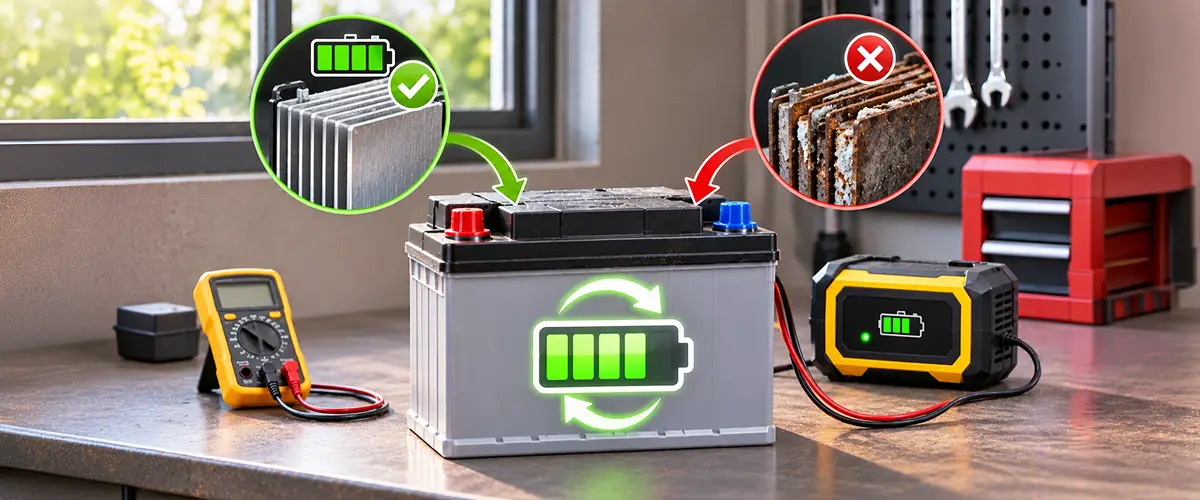
The answer depends on the cause. If a battery is merely undercharged, a suitable charging cycle may restore its available energy. Some early lead-acid sulfation problems may respond to manufacturer-approved corrective procedures. However, capacity lost through severe plate corrosion, active-material deterioration or lithium-ion chemical aging generally cannot be restored through ordinary charging. Before deciding to replace a battery, confirm its charge condition and arrange an appropriate capacity or health test. A battery showing normal open-circuit voltage may still perform poorly under load.
Our how to check battery health guide explains useful testing methods, while battery won’t hold charge addresses repeated charging problems.
How to Reduce Premature Battery Capacity Loss
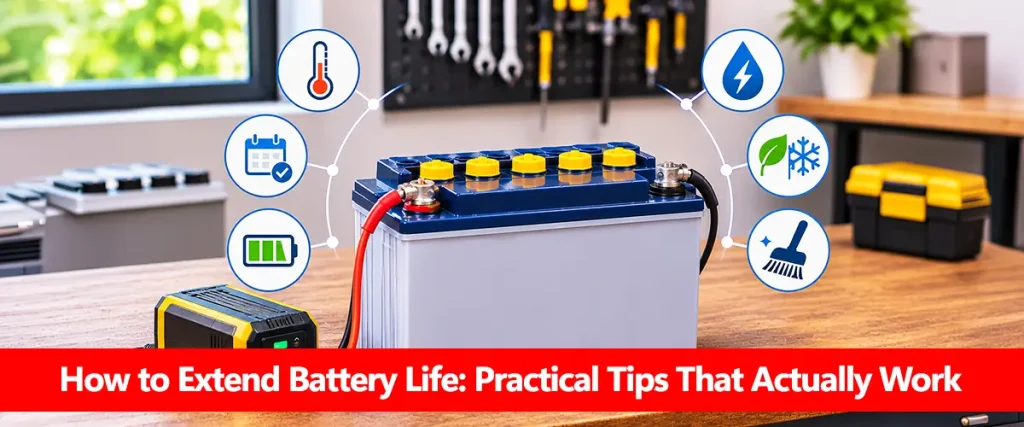
Although natural aging cannot be stopped, a few habits help reduce avoidable deterioration:
- Use compatible charging equipment and manufacturer-approved voltage limits.
- Avoid unnecessary deep discharge, particularly with lead-acid batteries.
- Control excessive heat through suitable installation and ventilation.
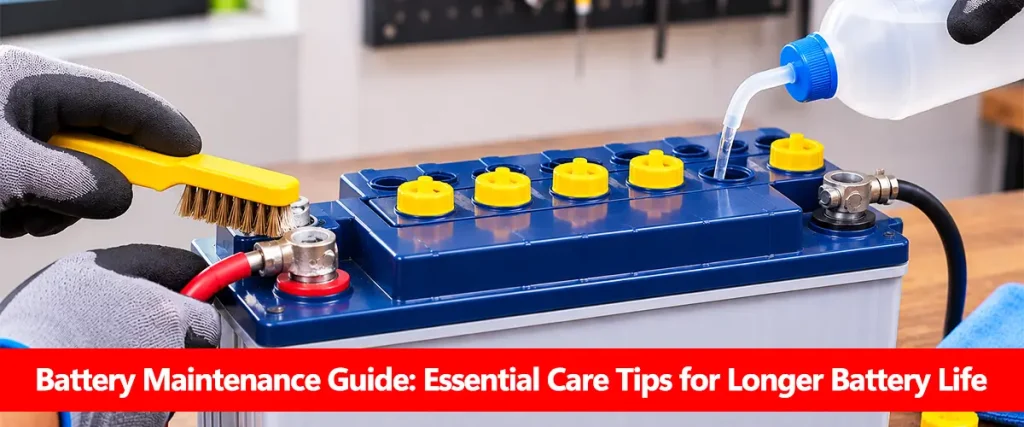
- Maintain flooded batteries correctly, including approved water-level servicing.
- Follow chemistry-specific storage recommendations during extended inactivity.
- Monitor unusual performance changes before further damage occurs.
Routine battery maintenance supports these habits. For specific preventive steps, see how to extend battery life and how to store batteries.
Safety: Never attempt to restore capacity by opening sealed batteries, bypassing lithium battery management systems or applying uncontrolled overcharging. Stop using batteries that are swollen, leaking, smoking or unusually hot.
Conclusion
Understanding why batteries lose capacity helps distinguish unavoidable chemical aging from premature deterioration. Natural aging, repeated cycling, excessive heat and unsuitable charging can gradually reduce a battery’s ability to store and deliver energy.
Lead-acid batteries commonly experience sulfation and plate deterioration, while lithium batteries lose capacity through different internal chemical processes. Correct charging, appropriate temperatures and regular maintenance can slow avoidable losses, but permanently aged battery materials cannot usually be restored to their original condition.
Frequently Asked Questions
Why Do Batteries Lose Capacity Over Time?
Batteries gradually lose capacity because of chemical aging, electrode deterioration and changes caused by repeated charging and discharging.
Can a Battery Lose Capacity Without Being Used?
Yes. Calendar aging occurs even during storage. The rate depends on battery chemistry, temperature and storage conditions.
Does Fast Charging Reduce Battery Capacity?
Fast charging can accelerate deterioration when it produces excessive heat or exceeds approved charging limits. The effect depends on the battery’s design and charging controls.
Why Does My Battery Drain Faster Than Before?
Possible causes include permanent capacity loss, increased electrical load, poor charging or temperature effects. Testing is needed to identify the reason.
Is Battery Capacity Loss Permanent?
Some apparent losses result from low charge or operating conditions and may be recoverable. Capacity lost through significant chemical aging is generally permanent.
Do Lithium Batteries Lose Capacity Faster Than Lead-Acid Batteries?
Not necessarily. Different chemistries age differently, and actual performance depends on charging, temperature, cycling and battery design.
Does High Temperature Cause Permanent Battery Damage?
Prolonged excessive heat can accelerate chemical deterioration and cause permanent capacity loss.
How Can I Prevent Battery Capacity Loss?
You cannot eliminate natural aging, but correct charging, moderate temperatures, appropriate discharge limits and proper maintenance can reduce premature deterioration.