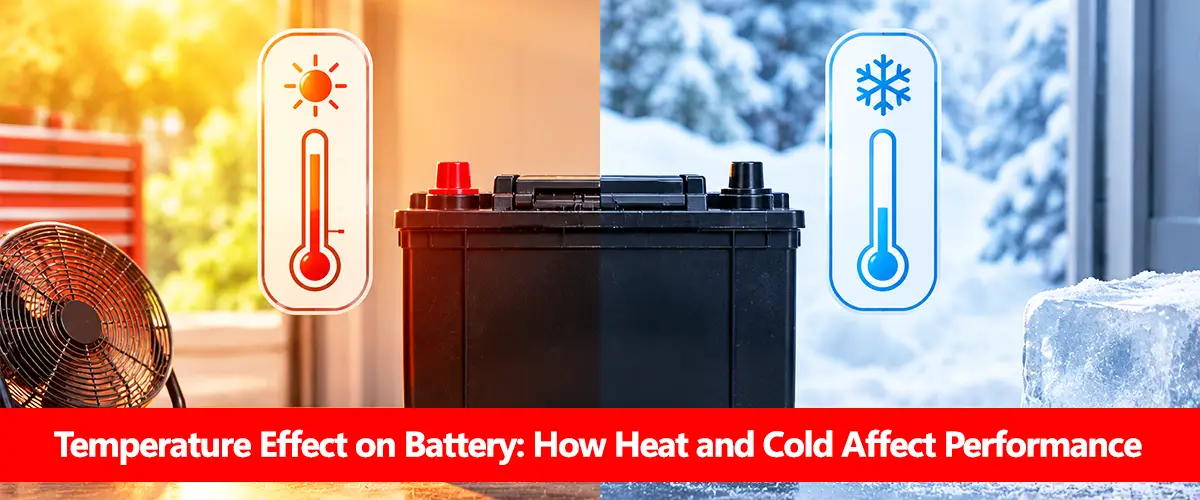
The temperature effect on battery performance involves changes in available capacity, charging efficiency, power output and lifespan. High temperatures generally accelerate chemical aging and can shorten battery life, while cold temperatures slow electrochemical reactions, reducing the energy and current a battery can deliver.
These effects matter for car batteries, UPS systems, solar storage and lithium batteries. In Pakistan, extreme summer heat can stress batteries installed in vehicles or poorly ventilated backup systems, while cold winter conditions can reduce starting performance and create charging restrictions for certain lithium batteries.
What Happens Inside a Battery When Temperature Changes?
A battery produces electrical energy through chemical reactions between its electrodes and electrolyte. Temperature influences how quickly these reactions occur and how easily ions move inside the cells.
When temperatures fall, internal resistance often increases, making it harder for the battery to deliver current under load. At higher temperatures, reactions can occur faster, but unwanted chemical processes also accelerate, contributing to deterioration.
This creates an important distinction: a battery may temporarily perform better in warmer conditions while aging faster over time. The relationship between temperature, battery internal resistance and available power helps explain why battery performance changes between seasons.
How Does Heat Affect Battery Life?
Excessive heat is particularly harmful because it can accelerate permanent battery degradation. In lead-acid batteries, elevated temperatures increase corrosion, water loss in serviceable designs and self-discharge.
Battery University describes a commonly used guideline for stationary sealed lead-acid batteries: an approximately 8°C sustained temperature increase can halve expected service life under certain conditions. This is not a universal rule for every battery, but it demonstrates how prolonged heat exposure can affect longevity.
For example, a UPS battery installed in a hot, enclosed cabinet may deteriorate faster than an equivalent battery operated in a well-ventilated environment.
Heat-related problems can include:
- Faster chemical aging and reduced long-term capacity.
- Increased water consumption in flooded lead-acid batteries.
- Greater self-discharge during storage.
- Additional stress during high-current charging and discharging.
- Thermal protection warnings in lithium battery systems.
The long-term consequences are covered in why batteries lose capacity and battery self-discharge.
Why Do Batteries Perform Poorly in Cold Weather?
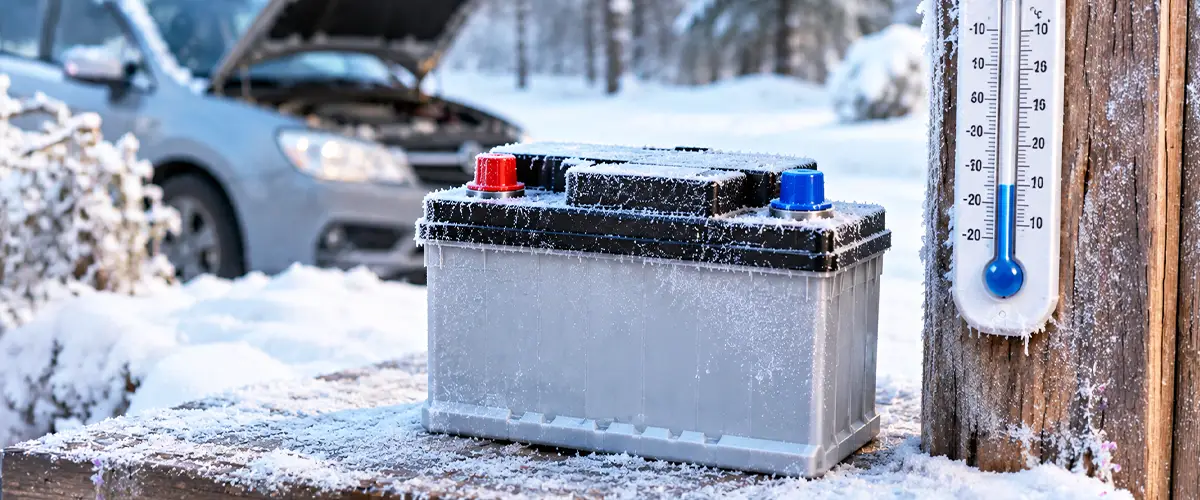
Cold weather generally reduces the usable capacity and current output of batteries because their internal electrochemical processes slow down. This is especially noticeable when a car battery must power a starter motor or a backup battery operates under a significant electrical load.
The reduced performance is often temporary. As a healthy battery returns to a suitable operating temperature, some of its available capacity may recover. However, charging a battery outside its permitted temperature range can cause lasting damage.
The following table summarizes the general effects:
| Temperature Condition | Immediate Performance | Long-Term Concern |
| Extreme cold | Reduced capacity and power delivery | Charging restrictions and possible freezing of discharged lead-acid batteries |
| Moderate temperature | Usually near rated performance | Normal chemical aging |
| Excessive heat | May temporarily increase available capacity in some chemistries | Faster aging, self-discharge and possible damage |
These observations are general rather than universal. Actual results depend on battery chemistry, state of charge, discharge current and manufacturer specifications.
Temperature Effects on Lead-Acid vs Lithium Batteries
Different battery chemistries respond differently to hot and cold conditions. This is why one operating-temperature recommendation cannot be applied to every battery.
Lead-acid batteries generally lose usable capacity in cold weather but may show higher short-term capacity at warmer temperatures. Excessive heat, however, accelerates aging. Flooded, AGM and GEL batteries also have different maintenance and charging requirements.
Lithium-ion and LiFePO4 batteries commonly provide good efficiency within their specified operating ranges, but charging at low temperatures can be restricted. Some lithium battery management systems automatically block charging when cell temperatures fall below an approved threshold.
Victron Energy, for example, permits charging its Lithium Smart batteries only between 5°C and 50°C. This is a product-specific specification, not a universal charging range for all lithium batteries. For chemistry-specific differences, see AGM battery and LiFePO4 battery.
A Practical Example: How Cold Reduces Battery Capacity
Consider Victron Energy’s 12.8V 100Ah Lithium Smart battery. Its published technical data illustrates how available capacity changes with temperature under specified testing conditions.
| Battery Temperature | Rated Capacity Under Specified Test |
| 25°C | 100Ah |
| 0°C | 80Ah |
| −20°C | 50Ah |
Source: Victron Energy Lithium Smart Battery technical data. These figures apply to the specified battery and test conditions, not all lithium batteries.
At 0°C, this example battery delivers approximately 20% less capacity than at 25°C under the stated test conditions. At −20°C, the reduction is considerably greater.
Importantly, this table describes discharge capacity, not permission to charge the battery at those temperatures. Charging limits must be checked separately. For the distinction between available capacity and permanent deterioration, see state of charge vs state of health.
Does Temperature Affect Battery Charging?
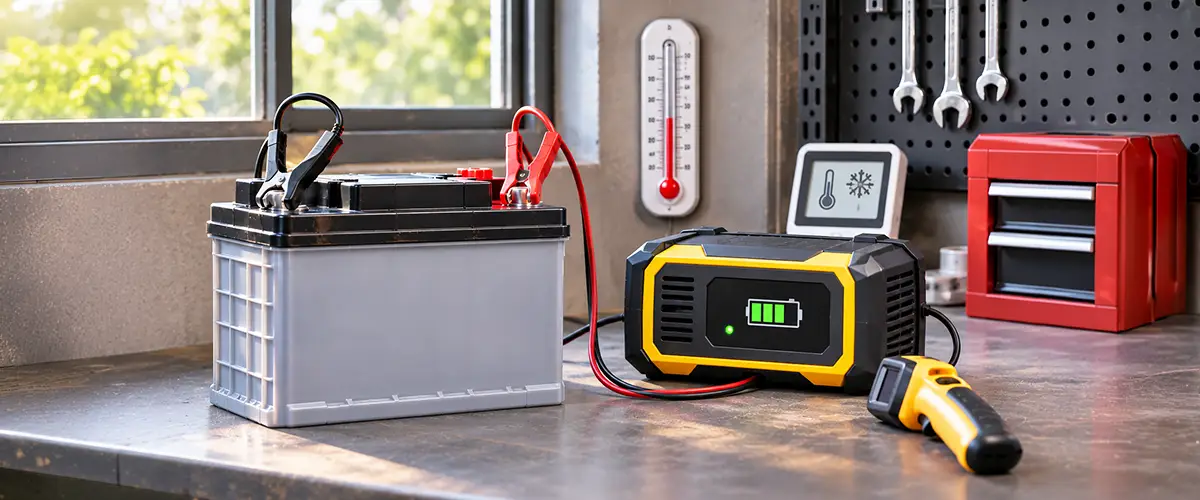
Yes. Charging requirements may change with battery temperature, especially for lead-acid batteries. Many compatible lead-acid chargers use temperature compensation to adjust charging voltage and reduce the risk of overcharging in hot conditions or undercharging in cold conditions.
Lithium batteries have different requirements. Their chargers and battery management systems may need to reduce or stop charging outside approved temperature limits.
Avoid changing charger settings based on general temperature rules without checking the battery manual. The correct approach depends on chemistry, charger design and whether a reliable battery-temperature sensor is available. Our battery charging voltage guide explains the underlying charging requirements.
How to Protect Batteries From Extreme Temperatures
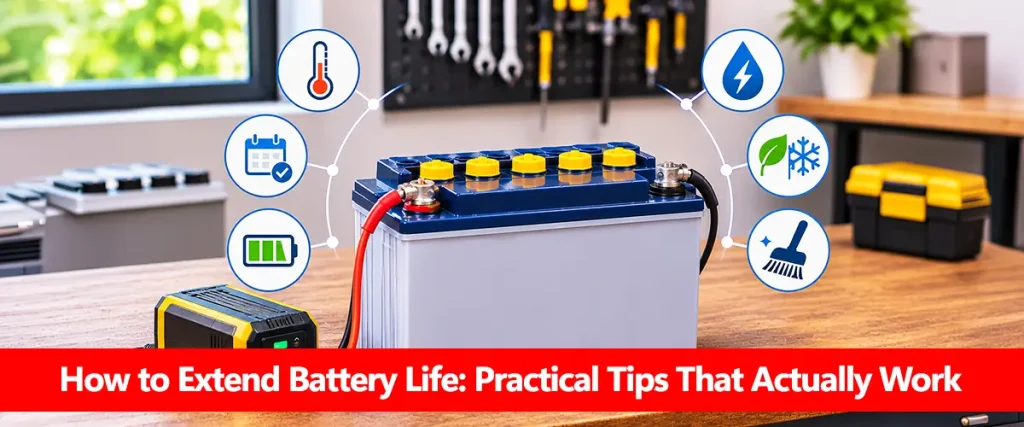
Reducing temperature stress is one of the simplest ways to protect battery performance and lifespan. In Pakistan, this is particularly relevant for rooftop solar equipment, home UPS systems and vehicles exposed to intense summer heat.
Practical precautions include:
- Provide proper ventilation around battery installations according to manufacturer requirements.
- Avoid direct sunlight and unnecessary exposure to heaters or hot machinery.
- Monitor temperature warnings from lithium battery management systems and inverters.
- Use temperature-compatible chargers with approved settings.
- Keep installations dry and protected from weather and condensation.
- Follow cold-weather charging restrictions instead of bypassing battery protection.
Never attempt to cool an overheated battery by pouring water over it or bypassing its protection system. If a battery is swollen, leaking, smoking or unusually hot, stop using it where safe and seek professional assistance.
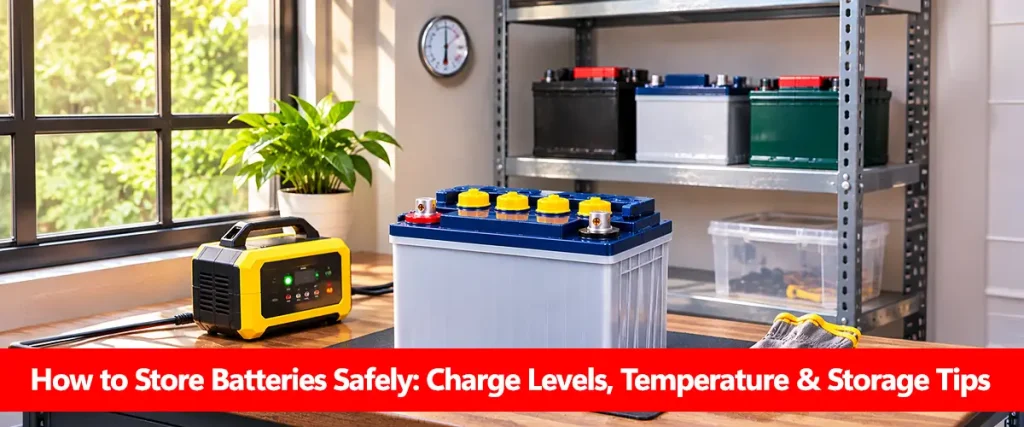
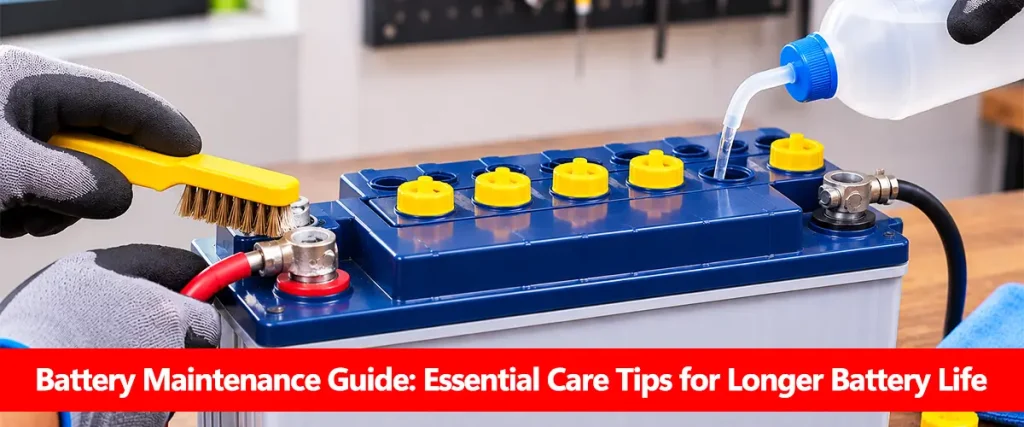
For routine protection, refer to battery maintenance. Our how to store batteries guide covers temperature considerations during periods of inactivity.
Conclusion
The temperature effect on battery performance is significant: excessive heat accelerates aging and self-discharge, while cold conditions reduce available capacity and starting power. Lithium batteries may also have strict low-temperature charging limits.
The best approach is to keep batteries within their manufacturer-approved temperature ranges, maintain adequate ventilation and use compatible charging equipment. These practices support reliable performance and help avoid premature deterioration.
Frequently Asked Questions
Does Heat Reduce Battery Life?
Yes. Prolonged heat exposure accelerates chemical aging and can shorten battery life, especially in lead-acid batteries.
Why Do Batteries Drain Faster in Cold Weather?
Cold temperatures reduce available capacity and power output. A battery may appear to discharge faster because it cannot deliver as much usable energy under those conditions.
What Is the Ideal Temperature for a Battery?
It depends on the battery design. Many performance ratings are specified around 20–25°C, but the manufacturer’s operating limits determine the safe temperature range.
Can Cold Weather Permanently Damage a Battery?
Cold weather can temporarily reduce performance. Permanent damage is possible if a discharged lead-acid battery freezes or certain lithium batteries are charged below their permitted temperature.
Does Temperature Affect Battery Charging Voltage?
Yes. Lead-acid charging voltage often requires temperature compensation. Lithium charging uses different chemistry-specific limits and protection controls.
Why Does a Car Battery Struggle in Winter?
Cold temperatures reduce its available starting current while engine starting may require more effort. An aging battery can be especially vulnerable.
Can Lithium Batteries Charge Below 0°C?
Some lithium batteries restrict or prohibit charging at low temperatures unless they include approved heating and protection arrangements. Always check the specific manufacturer’s charging limits.
How Can I Protect My UPS Battery During Summer?
Maintain manufacturer-approved ventilation, avoid excessive heat and ensure the inverter uses the correct charging settings. Do not block ventilation openings or place the battery in direct sunlight.