

Your cart is currently empty!.
You may check out all the available products and buy some in the shop.
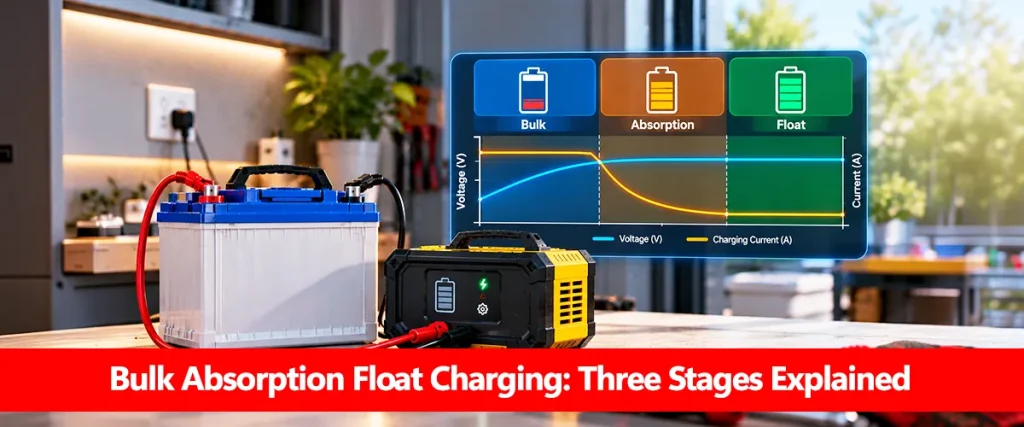
Continue ShoppingBulk absorption float charging is a three-stage battery charging method primarily used for lead-acid batteries.
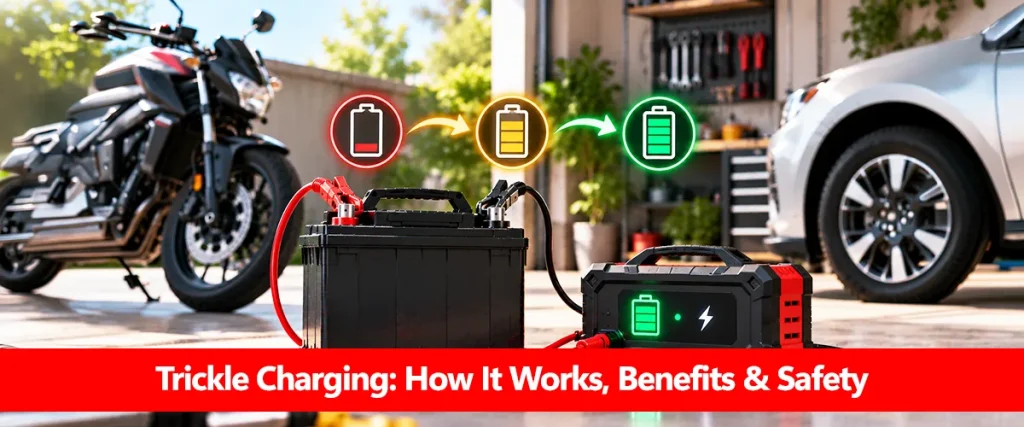
Trickle charging is a method of supplying a small charging current to a rechargeable battery, often to compensate for self-discharge during storage or periods…
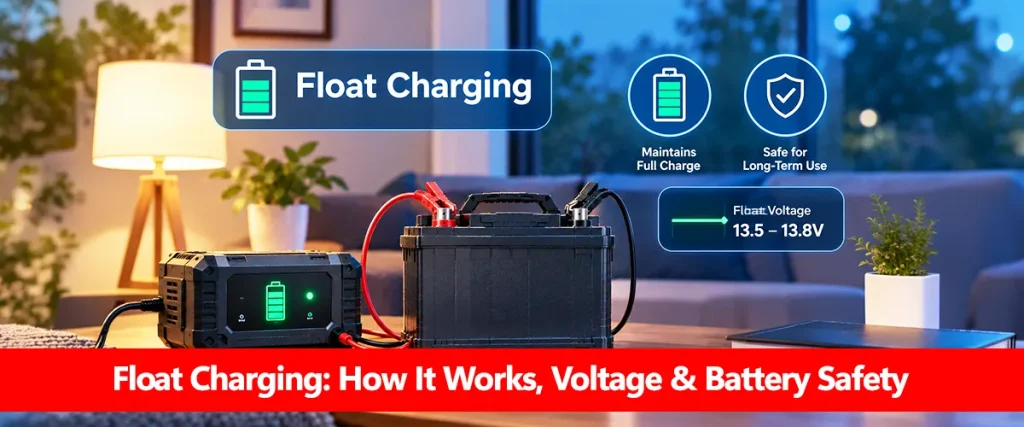
Float charging is a battery maintenance method that keeps a suitable rechargeable battery near full charge by applying a controlled, relatively low voltage.
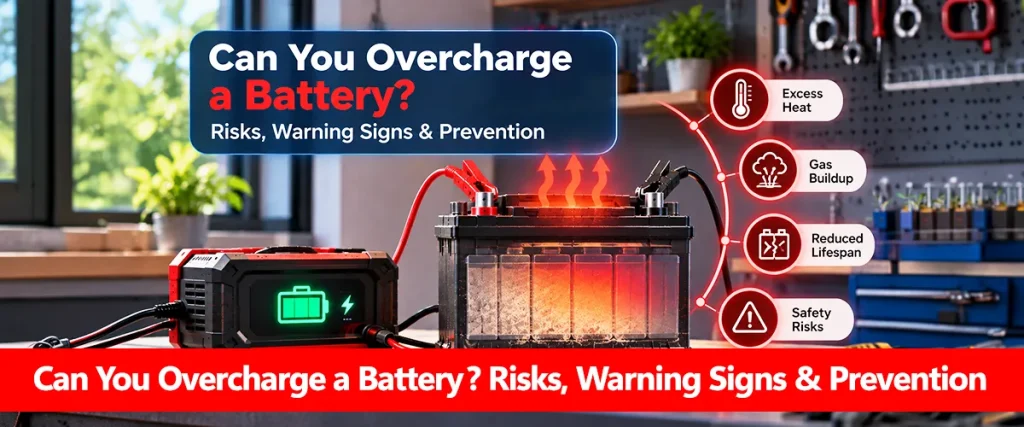
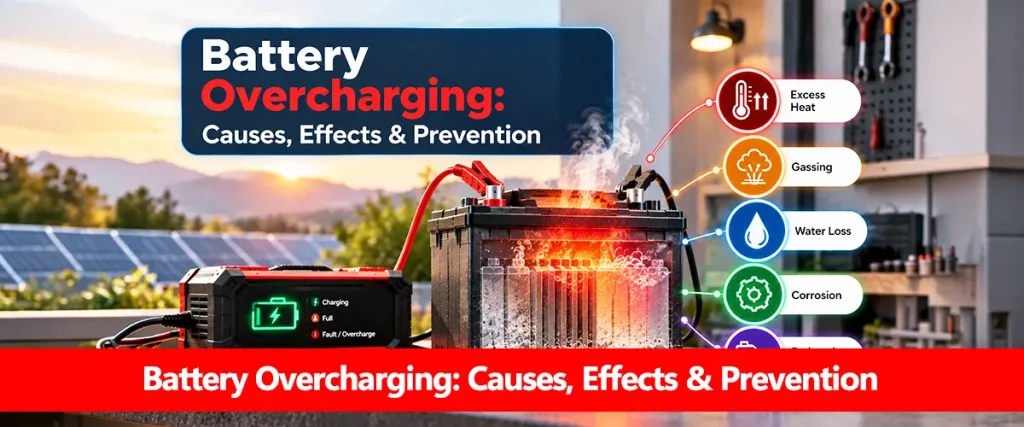
Can you overcharge a battery? Yes, rechargeable batteries can be overcharged when charging continues beyond their recommended limits.
Battery overcharging occurs when a rechargeable battery receives charging energy beyond its safe operating limits.
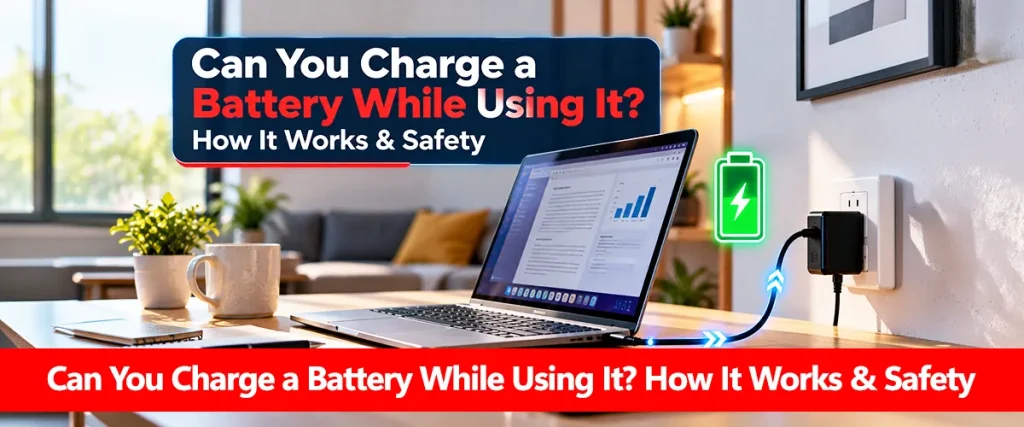
Charging the battery while using it is possible in electrical systems designed to support charging and power delivery at the same time.
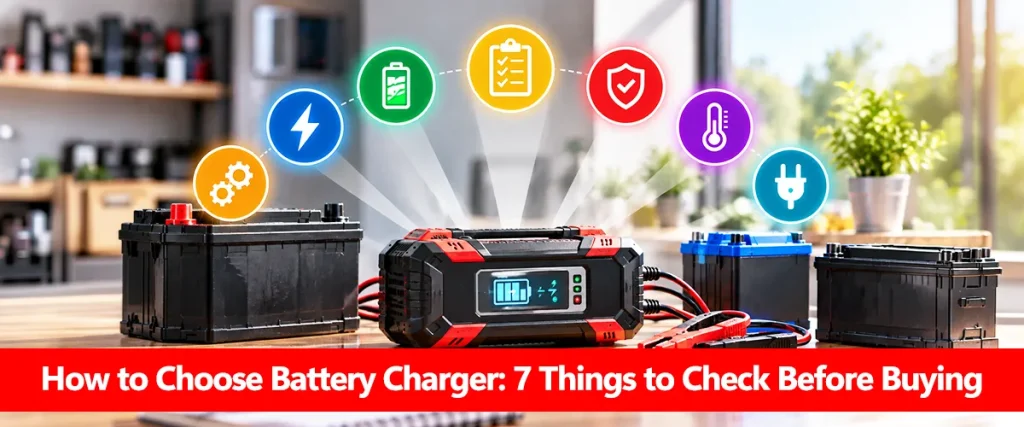
Understanding how to choose battery charger equipment starts with identifying your battery's chemistry, nominal voltage, capacity and charging requirements.
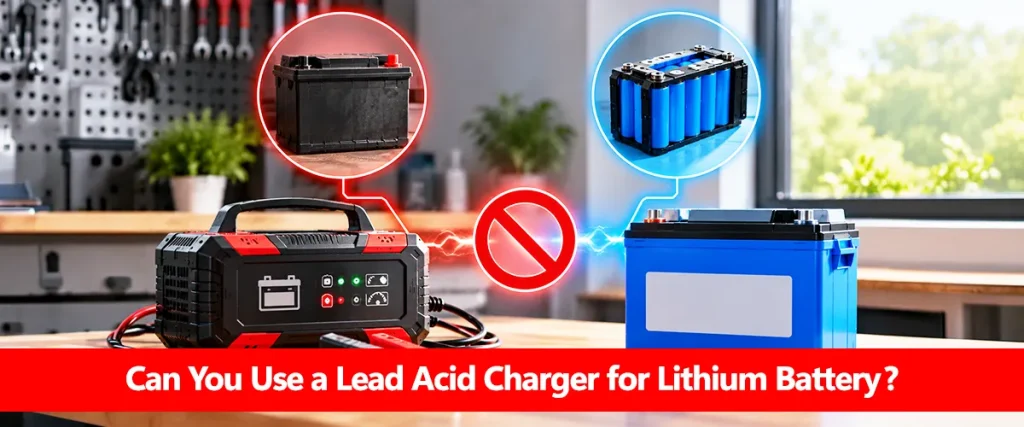
Using a lead acid charger for lithium battery charging is only possible when the charger supports the lithium battery's specific voltage limits, charging profile…
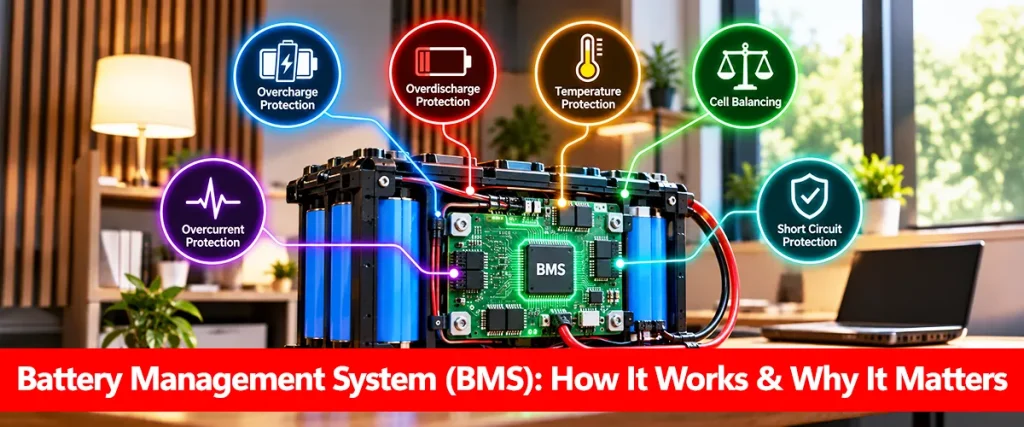
A battery management system (BMS) is an electronic system that monitors, controls and protects a rechargeable battery pack during charging and discharging.
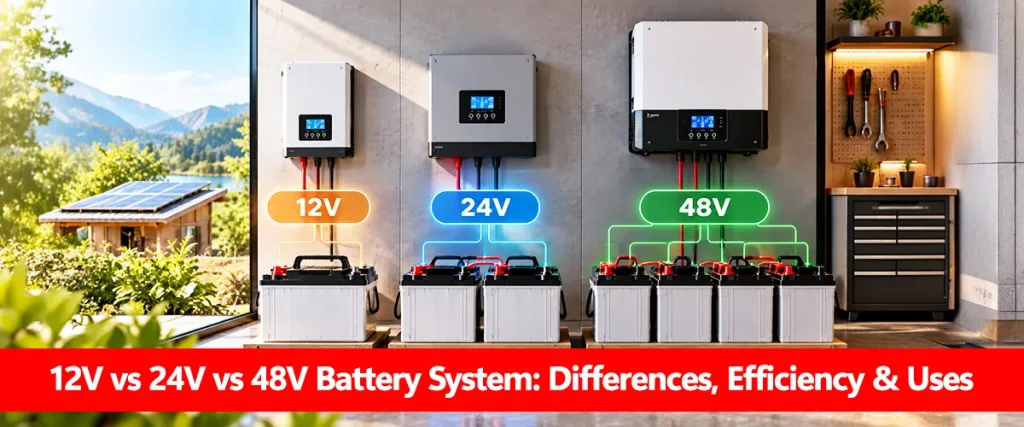
12V vs 24V vs 48V battery system is an important comparison when choosing an electrical setup for solar energy storage, home inverters, UPS systems,…
