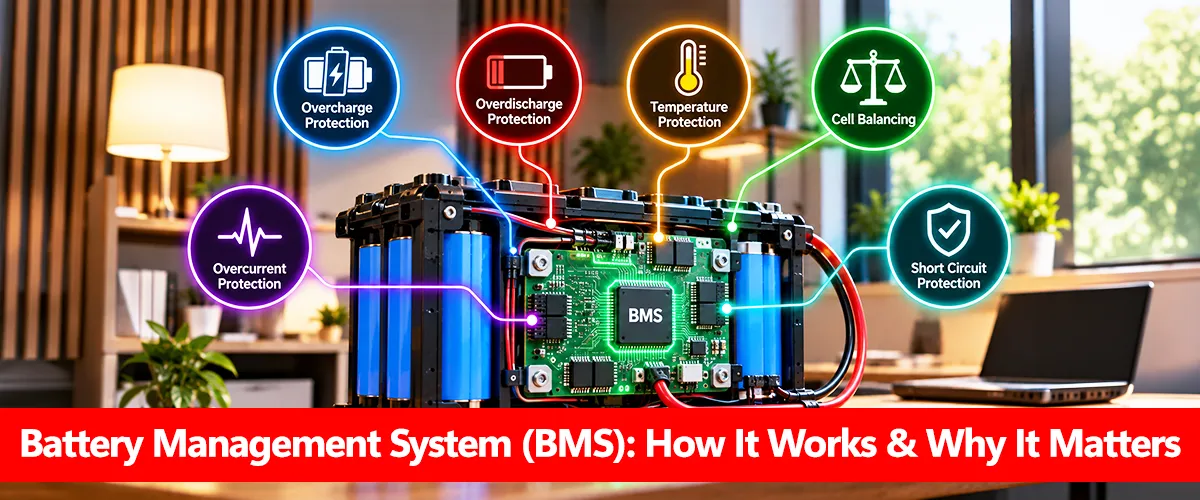
A battery management system (BMS) is an electronic system that monitors, controls and protects a rechargeable battery pack during charging and discharging. It helps keep battery voltage, current and temperature within safe operating limits while supporting reliable performance.
A BMS is especially important in lithium-ion batteries because individual cells must operate within specific electrical and temperature limits. Without proper monitoring and protection, overcharging, excessive discharge or overheating can damage cells and create safety risks.
How Does a Battery Management System Work?
A battery management system uses sensors, monitoring circuits and electronic controls to track battery conditions. It measures parameters such as cell voltage, battery current and temperature, then responds when the battery approaches or exceeds its permitted operating limits.
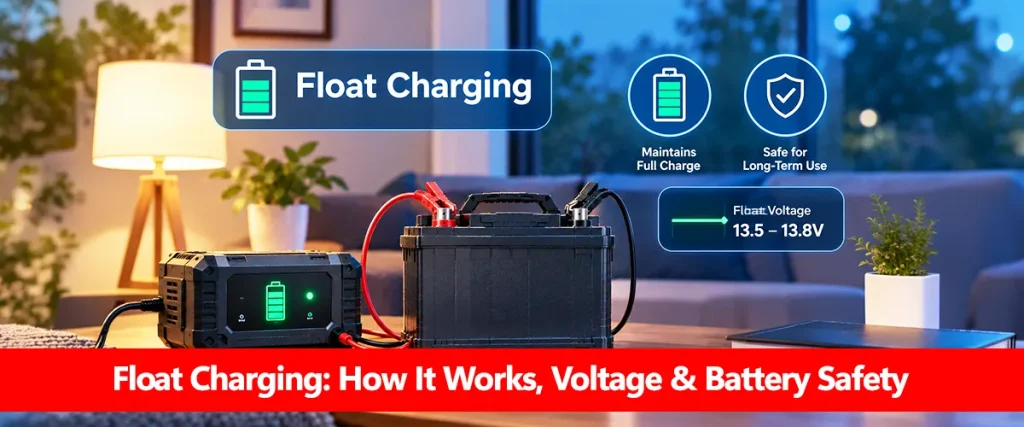
For example, if an individual cell reaches its maximum charging voltage, the BMS may interrupt charging or request a reduction in charging power. Similarly, it can disconnect the load when voltage falls below a safe threshold. Understanding battery voltage and how battery charging works helps explain these protection functions.
Main Functions of a Battery Management System
A BMS performs several important functions to support battery safety, monitoring and efficient operation. The available features depend on the battery pack and the complexity of its management electronics.
| BMS Function | Purpose |
| Voltage monitoring | Tracks individual cell and pack voltage |
| Current monitoring | Measures charging and discharging current |
| Temperature monitoring | Detects unsuitable operating temperatures |
| Overcharge protection | Limits charging beyond safe voltage thresholds |
| Deep-discharge protection | Prevents operation below permitted voltage limits |
| Cell balancing | Reduces differences between series-connected cells |
| State of charge estimation | Estimates remaining battery charge |
| State of health estimation | Evaluates battery condition and degradation |
| Communication | Shares battery information with compatible equipment |
Not every BMS includes all these capabilities. Basic protection boards may offer only essential cutoff functions, while advanced systems can monitor individual cells, estimate battery condition and communicate with inverters or other equipment.
Why Is Cell Balancing Important?
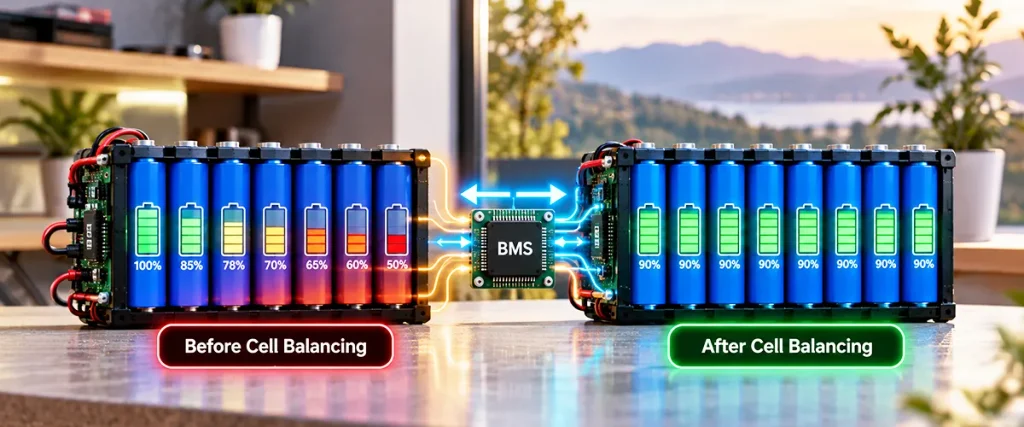
Battery packs often contain multiple electrochemical cells connected in series. Small differences in cell capacity, resistance and aging can cause individual cells to reach their voltage limits at different times.
Cell balancing helps reduce these differences so the battery pack can operate more effectively within its permitted limits. A BMS may use passive balancing, which dissipates a small amount of energy from higher-charge cells, or active balancing, which transfers energy between cells. Balancing becomes particularly important in larger battery packs. Our batteries series vs parallel guide explains how cell connections affect voltage and capacity.
How Does a BMS Protect Against Battery Damage?
A BMS helps protect a battery by detecting operating conditions that exceed configured safety limits. Depending on its design, it may disconnect charging, disconnect the load or communicate with the charging equipment to reduce electrical stress.
Important protection functions include:
- Overvoltage protection: Helps prevent excessive cell charging voltage.
- Undervoltage protection: Limits excessively deep discharge.
- Overcurrent protection: Responds to excessive charging or discharge current.
- Short-circuit protection: Helps interrupt dangerous fault currents.
- Temperature protection: Restricts operation outside permitted temperature ranges.
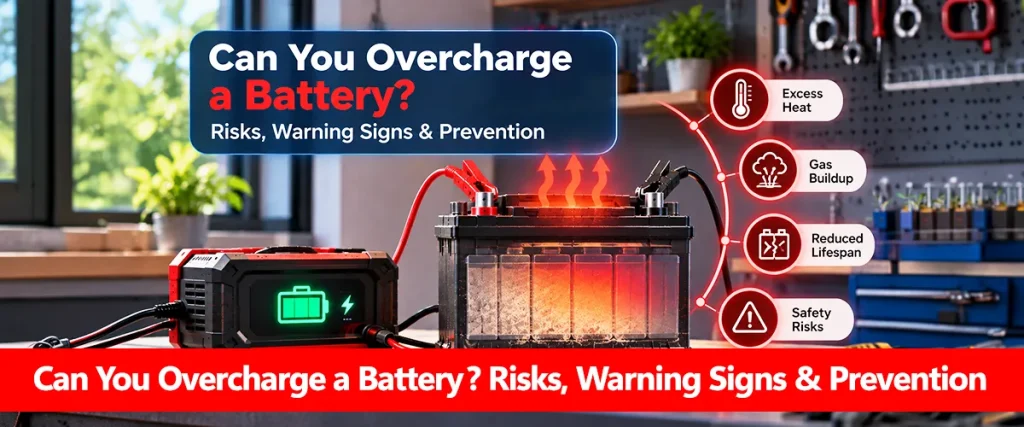
These features reduce risks associated with battery overcharging and excessive depth of discharge. However, a BMS cannot eliminate every failure risk, particularly those caused by physical damage, manufacturing defects or severe electrical faults.
State of Charge vs State of Health in a BMS
Two important battery management measurements are state of charge (SoC) and state of health (SoH).
State of charge estimates how much energy or charge remains available in the battery relative to its current usable capacity. State of health describes battery condition compared with a reference such as its original capacity or performance.
A BMS may estimate these values using voltage, current, temperature and operating history. The estimates are not always exact because battery behavior changes with aging and operating conditions. Understanding state of charge vs state of health helps explain how these indicators differ.
Battery Management Systems in LiFePO4 Batteries
LiFePO4 batteries commonly use a BMS to monitor cell voltage, control charging and discharging, and manage temperature-related protection. Although lithium iron phosphate has relatively strong thermal stability, it still requires operation within manufacturer-defined electrical limits.
For instance, a LiFePO4 battery may restrict charging at low temperatures to reduce the risk of cell damage. A suitable BMS can help enforce those restrictions while supporting safe operation. The correct protection thresholds depend on the exact chemistry, cell count and battery manufacturer’s specifications.
Does a BMS Replace a Battery Charger?
No. A battery management system and a battery charger perform different functions. The charger supplies controlled electrical energy, while the BMS monitors battery conditions and helps enforce operating limits.
A BMS may interrupt charging when necessary, but it does not automatically provide the correct charging voltage or current. This is why choosing a compatible battery charger remains essential even when the battery includes protection electronics.
Using a lead-acid charger for a lithium battery without confirmed compatibility can still cause charging problems despite the presence of a BMS.
Where Are Battery Management Systems Used?

Battery management systems are widely used wherever rechargeable lithium battery packs require electrical monitoring and protection. Their complexity varies according to battery capacity, voltage and application.
Common applications include:
- Electric vehicles: Monitor large battery packs and operating conditions.
- Solar energy storage: Manage battery charging, discharge and system communication.
- UPS systems: Protect lithium backup batteries during operation.
- Portable electronics: Provide compact battery monitoring and protection.
- Power tools: Help manage high-current discharge and charging.
For backup power installations, a compatible lithium battery for UPS may require coordination between its BMS and the UPS charging system.
What to Check When Selecting a BMS
A battery management system must match the battery pack’s chemistry, cell configuration and expected operating conditions. Choosing a BMS based only on battery voltage is not sufficient because protection thresholds and current limits vary.
Important specifications include:
- Battery chemistry: LiFePO4, NMC or another supported chemistry.
- Cell configuration: Correct number of series-connected cells.
- Current rating: Suitable continuous and peak charge/discharge limits.
- Protection features: Overvoltage, undervoltage, overcurrent and temperature protection.
- Cell balancing: Appropriate balancing capability for the battery design.
- Communication: Compatibility with connected equipment where required.
A BMS is not a universal replacement for proper wiring, fuses or compatible charging equipment. When reviewing the complete system, battery charging current limits and expected battery cycle life should also be considered.
Conclusion
A battery management system plays an essential role in monitoring and protecting rechargeable battery packs. It tracks voltage, current and temperature, supports cell balancing and may estimate battery charge and health.
A properly matched BMS helps reduce battery damage and supports reliable performance, particularly in lithium energy storage systems. However, its protection functions must work alongside a compatible charger, suitable battery design and correct installation practices.
Frequently Asked Questions
What Is a Battery Management System?
A battery management system (BMS) is an electronic system that monitors, manages and protects rechargeable batteries by controlling their operation within specified electrical and temperature limits.
Why Is a BMS Important for Lithium Batteries?
Lithium batteries require controlled cell voltage, charging current and temperature. A BMS helps monitor these conditions and can interrupt operation when safety limits are exceeded.
Can a Lithium Battery Work Without a BMS?
Some specialized applications use alternative protection arrangements, but most practical multi-cell lithium battery packs require suitable monitoring and protection. Operating an unprotected pack can be hazardous.
Does a BMS Increase Battery Lifespan?
A properly configured BMS can help reduce damaging conditions such as overcharging, excessive discharge and overheating. However, battery lifespan also depends on chemistry, temperature and usage.
What Is Cell Balancing in a BMS?
Cell balancing reduces charge differences between series-connected battery cells, helping prevent individual cells from reaching their operating limits before others.
What Happens When a BMS Disconnects a Battery?
A BMS may interrupt charging or discharging when it detects a protection condition. Recovery depends on the fault, BMS design and manufacturer instructions.
Is a BMS the Same as a Battery Charger?
No. A charger supplies electrical energy using an appropriate charging profile, while a BMS monitors battery conditions and provides protection. Both must be compatible for safe charging.