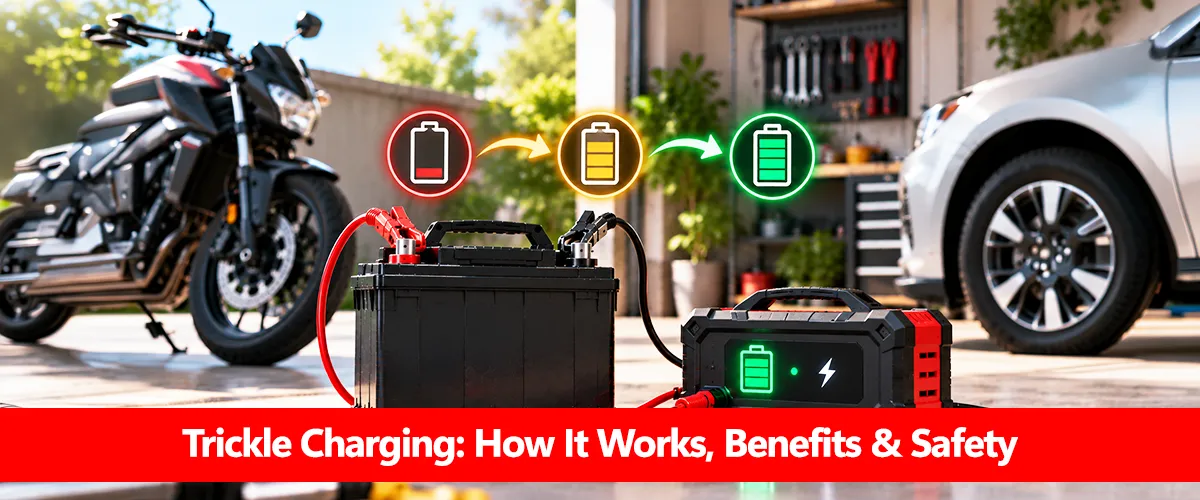
Trickle charging is a method of supplying a small charging current to a rechargeable battery, often to compensate for self-discharge during storage or periods of limited use. It helps maintain battery charge when the battery and charger are designed for this method.
Trickle charging is commonly associated with certain lead-acid battery applications. However, not every battery supports continuous low-current charging, and an uncontrolled trickle charger can cause overcharging. Understanding how battery charging works helps explain why the correct charging method matters.
What Is Trickle Charging?
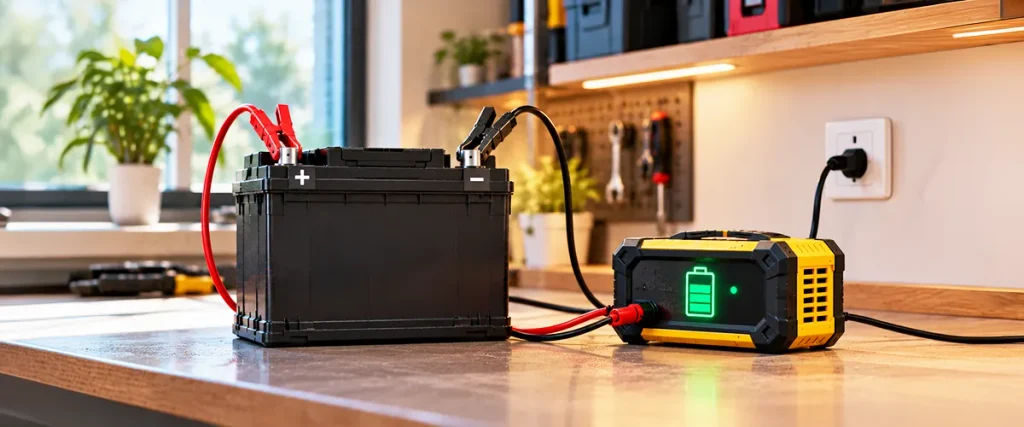
Trickle charging involves delivering a relatively low current to a battery, usually over an extended period. The current may be intended to offset energy lost through self-discharge rather than recharge a heavily discharged battery quickly.
Unlike an advanced automatic charger, a basic trickle charger may continue supplying current without adjusting adequately when the battery reaches full charge. This makes charger compatibility and monitoring important, particularly when the battery remains connected for long periods.
How Does Trickle Charging Work?
A trickle charger supplies electrical current that supports the battery’s electrochemical charging reactions. The charging rate is usually much lower than the current used during normal bulk charging, so restoring a substantial amount of energy can take considerably longer.
Charging current is measured in amperes (A), while the battery’s rated capacity is commonly expressed in amp-hours (Ah). The appropriate current depends on the battery chemistry, capacity, temperature and manufacturer limits. Our battery charging current guide explains how current affects charging behavior.
Trickle Charging vs Float Charging
Trickle charging and float charging are often confused because both may be associated with keeping a battery ready for use. However, they regulate charging differently.
| Feature | Trickle Charging | Float Charging |
| Main purpose | Supply a small charging current | Maintain a charged battery |
| Main control | Often current-based | Voltage-based |
| Charging behavior | May continue supplying current | Current adjusts to battery demand |
| Typical use | Selected battery maintenance applications | Lead-acid standby systems |
| Main risk | Overcharging if poorly controlled | Damage from incorrect float voltage |
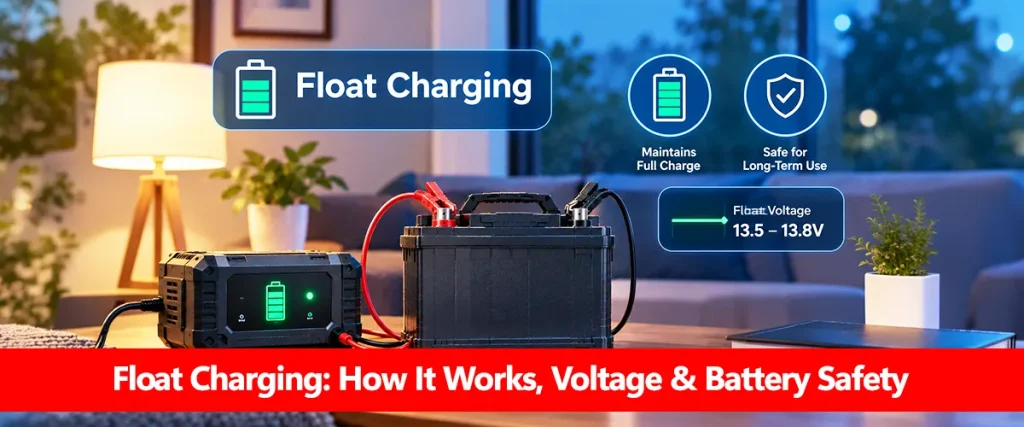
A properly designed float charger maintains a specified voltage while allowing current to decrease according to the battery’s needs. Trickle charging may instead provide a continuing low current, making it unsuitable for some fully charged batteries.
For a detailed explanation of voltage-controlled maintenance, explore float charging.
Which Batteries Support Trickle Charging?
Battery compatibility depends on chemistry, construction and charging specifications. Some lead-acid batteries can tolerate suitable low-current maintenance charging, but their recommended charging profiles may favor regulated float charging instead.
| Battery Type | Trickle Charging Compatibility |
| Flooded lead-acid | Possible with manufacturer-approved settings |
| AGM | Requires careful current and voltage control |
| Gel | Sensitive to unsuitable charging conditions |
| Lithium-ion | Continuous trickle charging generally unsuitable |
| LiFePO4 | Conventional continuous trickle charging generally unsuitable |
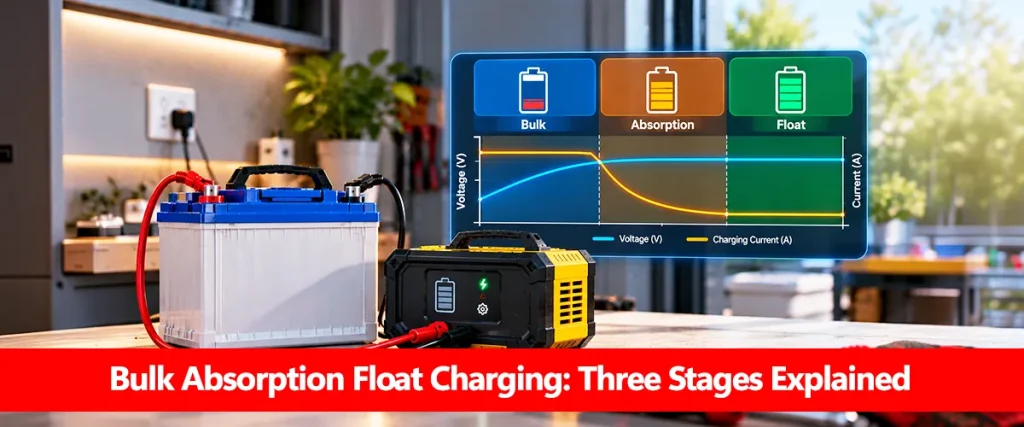
Lithium-ion batteries normally require chemistry-specific charging control and charge termination. Their battery management systems provide protection but do not make an incompatible charger safe. For charging stages used with lead-acid batteries, see bulk absorption float charging.
When Is Trickle Charging Useful?
Trickle charging may be useful when a compatible battery remains unused for an extended period and requires a small amount of charging current to offset self-discharge. Typical situations include stored equipment, seasonal vehicles and selected standby battery applications.
However, modern automatic battery maintainers are often more suitable than basic continuous-current trickle chargers. They can monitor battery conditions and adjust or interrupt charging according to the battery’s requirements. The charger must still be compatible with the battery chemistry and voltage.
Benefits and Limitations of Trickle Charging
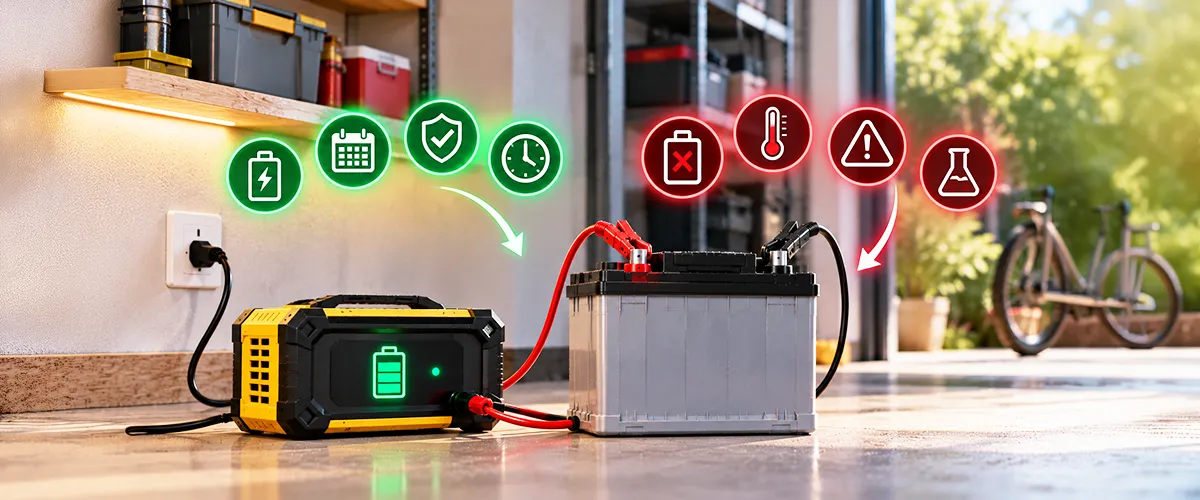
Trickle charging can help maintain battery charge during storage, but its usefulness depends on suitable charging controls.
Potential benefits include:
- Helps compensate for battery self-discharge.
- Uses relatively low charging current.
- May support long-term storage of compatible batteries.
- Can help keep selected standby batteries ready for use.
Important limitations include:
- Unsuitable for rapidly charging large batteries.
- Continuous current may cause overcharging.
- Not appropriate for every battery chemistry.
- Requires correct charger settings and temperature conditions.
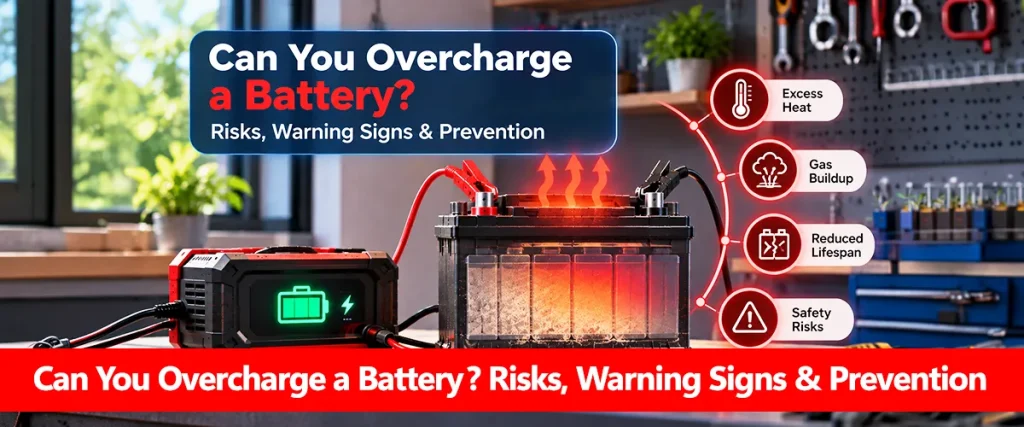
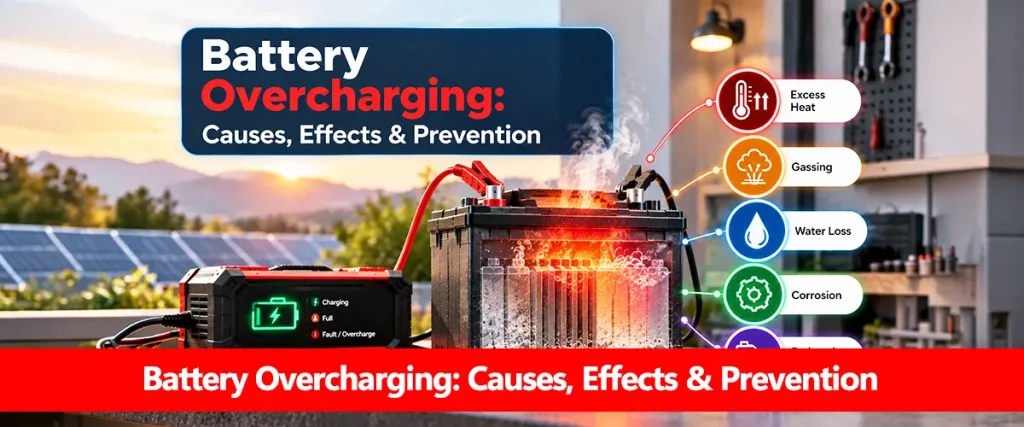
A small charging current does not automatically guarantee safety. Even low-current charging can damage a battery if it continues after the battery has reached its approved charging limits. Our can you overcharge a battery guide explains this risk.
Trickle Charging Safety Considerations
Before using a trickle charger, confirm the battery chemistry, nominal voltage, permitted charging current and manufacturer’s maintenance recommendations. Battery temperature also matters because it affects charge acceptance, internal resistance and the risk of degradation.
For safer operation:
- Use a charger approved for the battery type.
- Follow manufacturer voltage and current limits.
- Avoid charging damaged or overheated batteries.
- Maintain suitable ventilation for lead-acid batteries.
- Do not leave a basic trickle charger connected indefinitely without manufacturer approval.
- Prefer automatic charge regulation for extended maintenance.
Correct charger selection is especially important for batteries stored over long periods. Our how to choose battery charger guide explains the main compatibility requirements.
Conclusion
Trickle charging supplies a small current to a rechargeable battery, usually to help compensate for self-discharge during storage or limited use. It can be useful for compatible batteries, but continuous low-current charging is not suitable for every chemistry.
The key difference is charging control. A basic trickle charger may continue supplying current, while a regulated maintainer can adjust charging according to battery conditions. Choosing compatible equipment and following manufacturer recommendations helps prevent overcharging and premature battery damage. Explore more articles in the Battery Charging category at Batteries Hub.
Frequently Asked Questions
What Is Trickle Charging?
Trickle charging is the process of supplying a small charging current to a rechargeable battery, commonly to help offset self-discharge during storage.
Is Trickle Charging Safe for Batteries?
It can be safe when the battery and charger support the method. Uncontrolled charging may cause overcharging, even at low current.
What Is the Difference Between Trickle Charging and Float Charging?
Trickle charging often supplies a small current, while float charging maintains a specified voltage and allows current to adjust according to battery demand.
Can You Trickle Charge a Lithium Battery?
Conventional continuous trickle charging is generally unsuitable for lithium-ion batteries. Use a charger approved for the battery’s specific chemistry and charging profile.
Can I Leave a Trickle Charger Connected Overnight?
Only if the charger and battery manufacturer permit that operating mode. A basic charger without suitable regulation should not be assumed safe for unattended charging.
Does Trickle Charging Extend Battery Life?
Appropriate maintenance charging may help prevent prolonged undercharging in compatible batteries. However, excessive or poorly controlled charging can shorten battery life.