

Your cart is currently empty!.
You may check out all the available products and buy some in the shop.
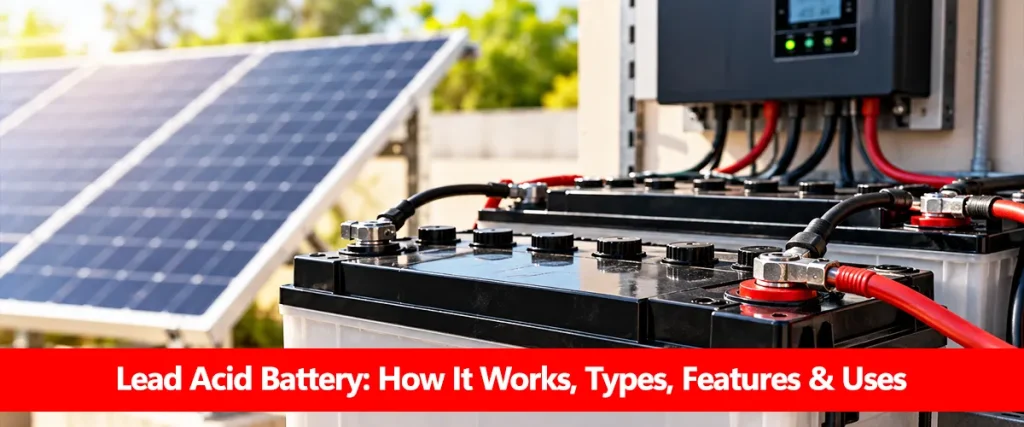
Continue ShoppingA lead acid battery is a rechargeable electrochemical battery that uses lead-based electrodes and a sulfuric acid electrolyte to store and release electrical energy.
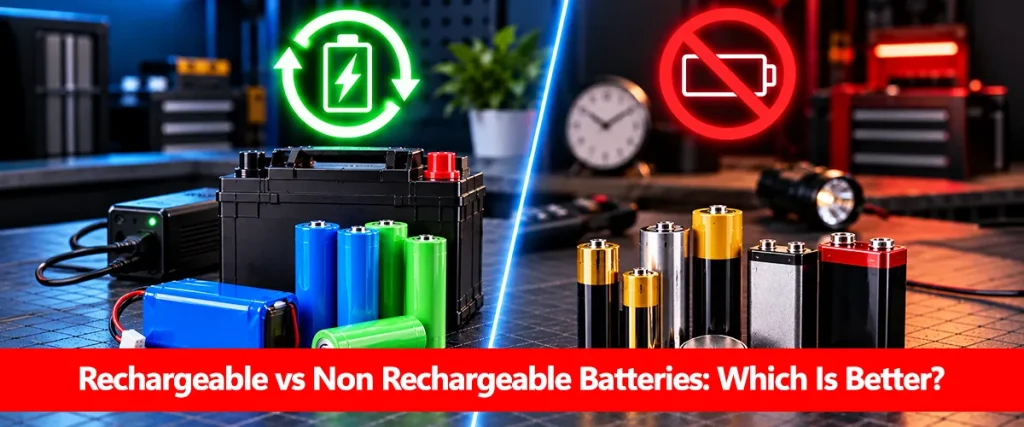
Rechargeable vs non rechargeable batteries differ primarily in how often they can be used, their replacement costs, and their charging requirements.
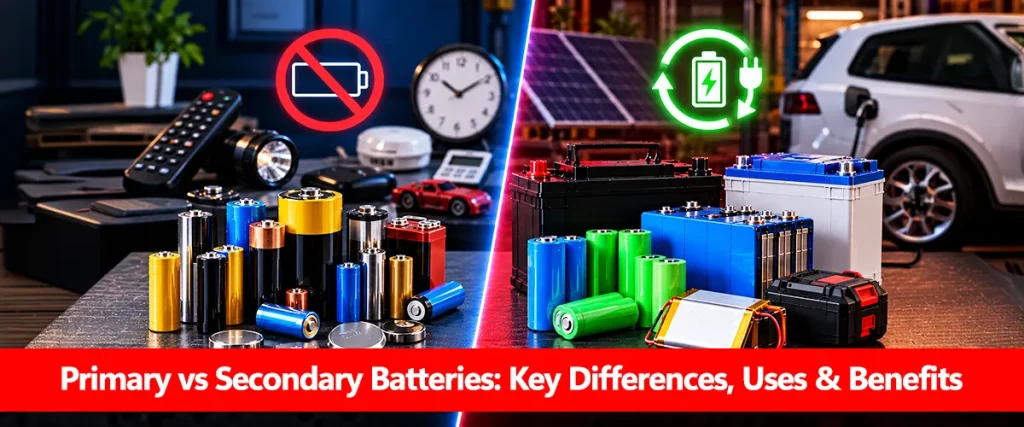
Primary vs secondary batteries differ mainly in their rechargeability and electrochemical behavior.
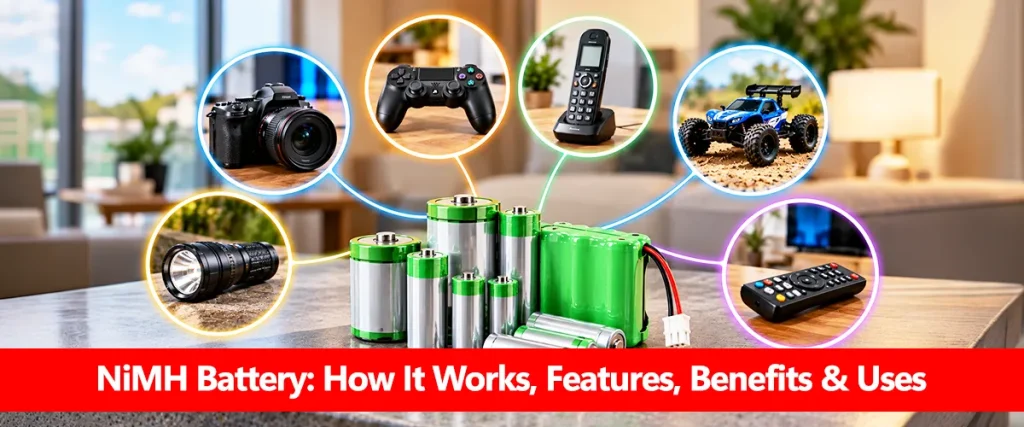
A NiMH battery (Nickel-Metal Hydride battery) is a rechargeable battery that uses nickel-based positive electrodes and hydrogen-absorbing metal alloys in its negative electrodes.
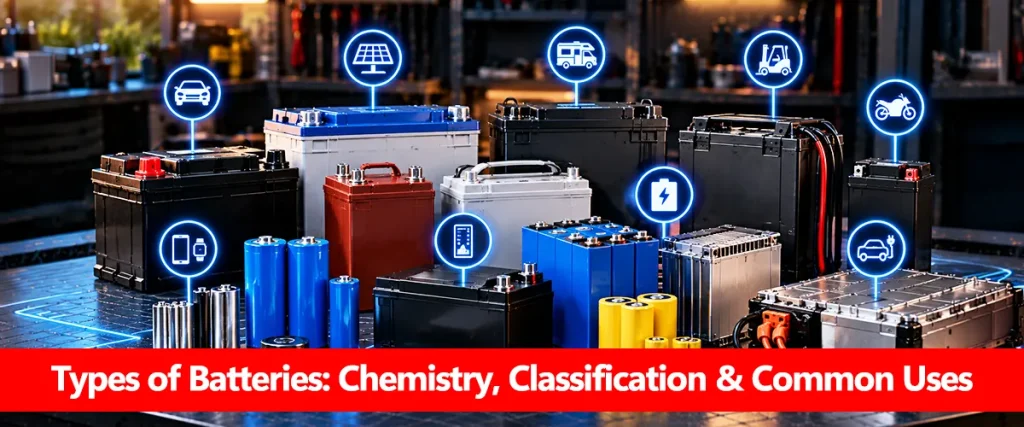
Types of batteries are classified according to their chemical composition, rechargeability, construction, and intended applications.
