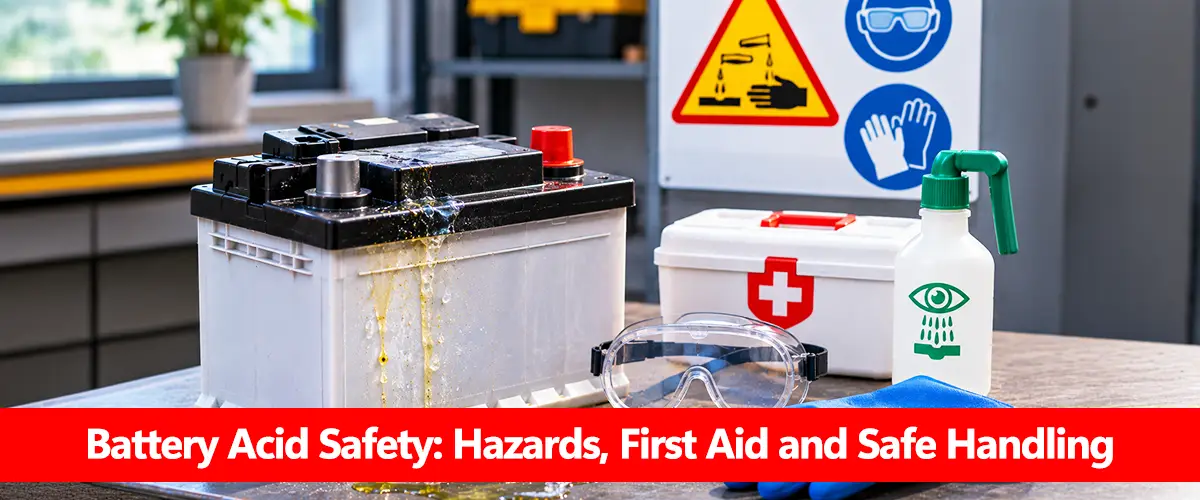
Battery acid safety is essential when handling, charging or inspecting lead-acid batteries used in cars, motorcycles, UPS systems and home backup installations. These batteries contain a sulfuric acid electrolyte that can cause serious skin burns, eye injuries and damage to clothing or nearby materials if it leaks or splashes.
A sealed, undamaged battery normally keeps its electrolyte contained. However, cracked cases, improper servicing and certain charging faults can create exposure risks. Understanding the warning signs and knowing what to do after accidental contact can help prevent serious injuries.
What Makes Battery Acid Dangerous?
The electrolyte inside a typical lead-acid battery is a mixture of sulfuric acid and water. It helps carry ions between the battery’s internal plates, allowing the chemical reactions needed to store and release electrical energy.
The main hazard is its corrosive nature. Direct sulfuric acid exposure can damage skin and eyes, while acid mist may irritate or injure the respiratory system.
| Exposure Type | Potential Hazard | Immediate Response |
| Skin contact | Chemical burns and tissue damage | Flush with running water |
| Eye contact | Serious eye injury and possible vision loss | Begin continuous irrigation; obtain emergency care |
| Acid mist inhalation | Respiratory irritation or injury | Move to fresh air if safe; seek urgent help |
| Accidental swallowing | Internal chemical burns | Seek emergency medical care; do not induce vomiting |
| Battery leakage | Contaminated surfaces and chemical exposure | Keep clear; arrange trained cleanup |
The Canadian Centre for Occupational Health and Safety identifies battery electrolyte as a serious chemical hazard requiring proper handling and emergency washing facilities.
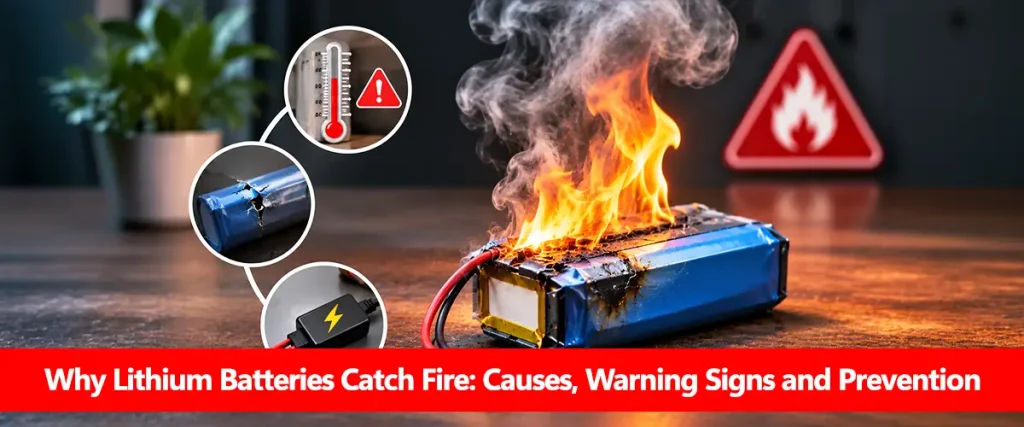
Unlike lead-acid batteries, lithium-ion batteries generally use different electrolyte formulations. Their principal failure hazards include flammable materials, overheating and thermal runaway rather than exposure to conventional sulfuric battery acid. For a broader chemistry comparison, see our battery safety guide.
How to Recognize a Leaking Lead-Acid Battery
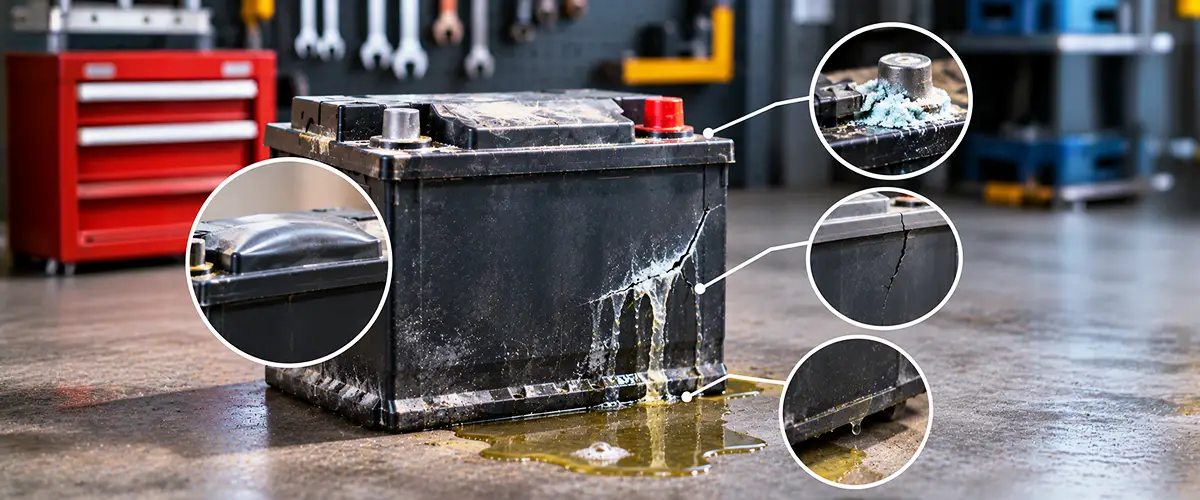
A damaged battery may release electrolyte through cracks, damaged seals or other case failures. Early identification matters because even a small leak can create an exposure hazard. Possible warning signs include wetness around the battery case, unexplained liquid beneath the battery, unusual corrosion or visible casing damage. However, white or bluish deposits on battery terminals do not automatically mean the battery case is leaking. Corrosion can develop through several processes, and the appearance alone cannot confirm a leak.
If you suspect electrolyte leakage, avoid touching or moving the battery. Keep people and pets away, particularly if liquid is spreading onto surrounding surfaces. A battery that is swollen, unusually hot or physically deformed may have additional hazards. See swollen battery for those warning signs.
What to Do if Battery Acid Touches Your Skin or Eyes
Accidental acid exposure requires immediate action. Do not delay flushing while searching for a neutralizing chemical or waiting for a medical professional.
Battery Acid on Skin
- Immediately rinse the affected skin with clean, gently flowing water for at least 30 minutes, following CCOHS guidance for lead-acid battery exposure.
- Remove contaminated clothing and accessories while flushing, provided this can be done safely. Avoid spreading contaminated water onto unaffected skin.
- Seek urgent medical attention, even if the initial discomfort appears manageable.
Battery Acid in Eyes
- Start flushing the affected eye immediately with clean, lukewarm, gently flowing water. Continue for at least 30 minutes, gently holding the eyelids open and preventing contaminated water from entering the unaffected eye.
- Arrange emergency medical assistance immediately. Do not delay irrigation to remove contact lenses or locate eyewash chemicals.
- Never put baking soda, another neutralizing chemical, ointment or household remedies into an exposed eye or onto an acid burn.
Acid Mist Inhalation or Swallowing
- If acid mist is inhaled, move to fresh air only if it is safe to do so and seek urgent medical assistance. Respiratory symptoms can worsen after the initial exposure.
- If battery acid is swallowed, call emergency medical services or a poison-control service immediately. Do not induce vomiting or attempt chemical neutralization.
- These first-aid actions are for accidental exposure, not instructions for cleaning or repairing a leaking battery.
How to Handle Lead-Acid Batteries Safely
The safest approach is to avoid unnecessary contact with battery electrolyte. Routine battery users should not open cases, transfer acid or perform chemical maintenance unless the battery manufacturer specifically permits the task and the person is trained. For authorized battery servicing, suitable battery handling protective equipment may include chemical splash goggles, a face shield, acid-resistant gloves and protective clothing.
Additional precautions include:
- Inspect before handling. Do not work on batteries with visible leaks, cracks or serious deformation.
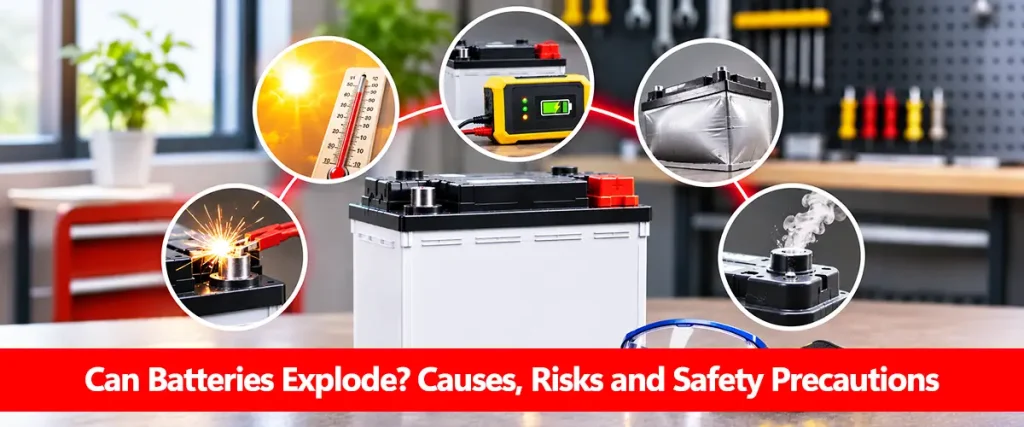
- Keep the area ventilated. Charging lead-acid batteries may release hydrogen gas.
- Prevent accidental short circuits. Keep conductive tools and jewelry away from exposed terminals.
- Follow approved servicing instructions. Never open sealed AGM or GEL batteries.
- Use the correct charger. Incorrect charging can increase heat, gassing and other hazards.
- Keep emergency washing facilities accessible. Battery service areas should have suitable eyewash and drenching provisions.
OSHA’s battery-charging safety requirements address protective equipment, ventilation and emergency washing facilities in relevant workplaces. Flooded batteries sometimes require distilled-water maintenance, but adding sulfuric acid as a routine top-up is not appropriate. Our how to check battery water level guide explains when such checks apply.
Should You Clean Up a Battery Acid Spill Yourself?
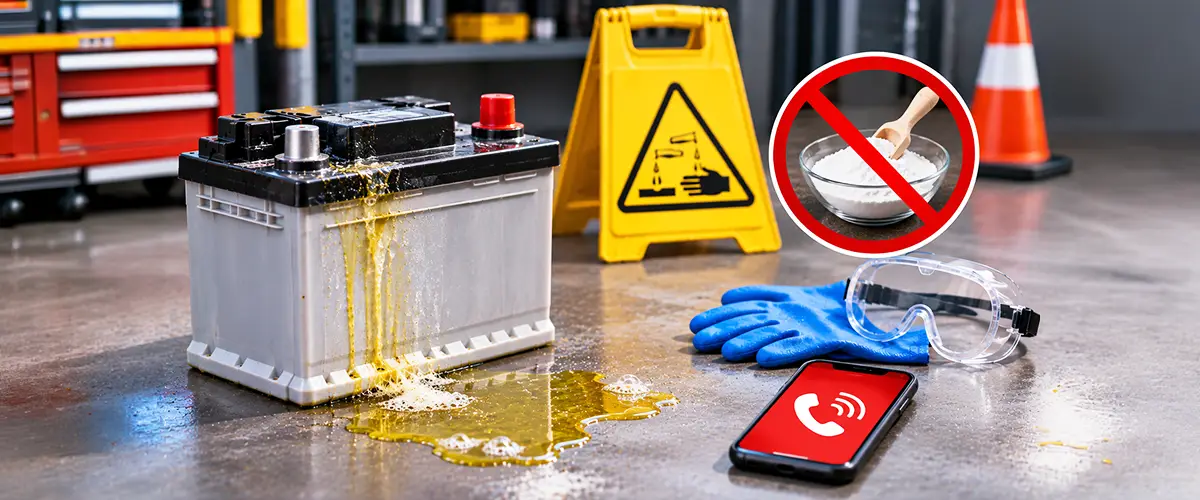
A suspected battery acid leak should not be treated like an ordinary household spill. The liquid may be corrosive, and a damaged battery may also present electrical or gas-related hazards. Do not pour baking soda or other neutralizing agents directly onto the battery or attempt to open its case. Although trained personnel may use approved neutralizing materials for contained spills, improper cleanup can create splashes, heat or further exposure.
Keep others away from the affected area and contact a trained battery technician or hazardous-material cleanup service. If the spill is extensive, produces fumes or cannot be isolated safely, contact local emergency services. For battery terminal deposits without leakage or physical damage, see how to clean battery terminals. External corrosion cleaning and battery acid spill response are not the same procedure.
Preventing Battery Acid Leaks and Exposure
Battery acid exposure is often associated with damaged equipment, incorrect maintenance or unsuitable charging conditions. Regular inspection can help identify deteriorating batteries before serious leakage occurs. Keep batteries securely mounted, follow manufacturer charging limits and maintain the required ventilation around lead-acid installations.
Excessive charging can contribute to heating and gassing. Our can you overcharge a battery guide explains those risks. Do not continue charging a battery that is leaking, overheating or showing significant case damage. Professional inspection is necessary before further use.
How to Dispose of a Leaking or Damaged Battery
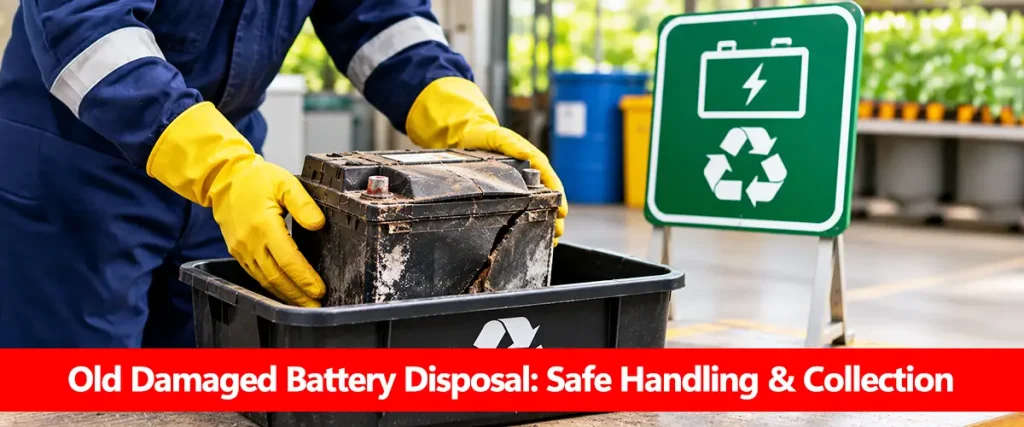
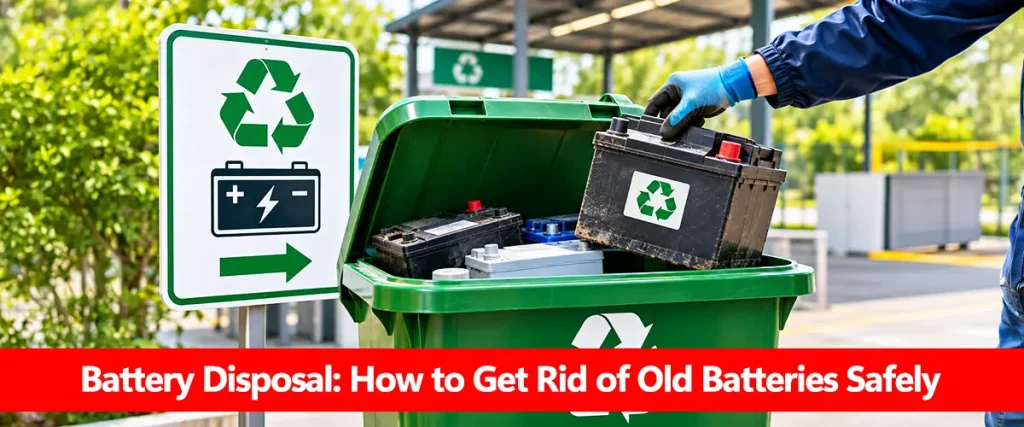
Lead-acid batteries contain both lead and corrosive electrolyte, so they must be directed to an appropriate collection or recycling facility. The US Environmental Protection Agency recommends lead-acid battery recycling through battery retailers or suitable hazardous-waste collection programs rather than household rubbish.
For readers in Pakistan, contact an established battery dealer or recycler and explain the battery’s condition before arranging collection. Confirm that they can safely accept a leaking or damaged unit. Do not drain the electrolyte, empty the battery into a container or attempt to transport a severely damaged battery without professional guidance. Our battery disposal and battery recycling articles explain general end-of-life handling.
Conclusion
Battery acid safety begins with understanding the corrosive risks of lead-acid electrolyte and preventing unnecessary exposure. Damaged cases, leaks and incorrect servicing require particular caution.
If sulfuric acid contacts the skin or eyes, begin continuous water flushing immediately and obtain urgent medical assistance. For leaking batteries, avoid improvised chemical cleanup or repair, and use qualified services for handling and recycling. Proper charging, protective equipment and early identification of damage help reduce preventable battery acid incidents.
Frequently Asked Questions
Is Battery Acid Dangerous to Touch?
Yes. The sulfuric acid electrolyte in lead-acid batteries is corrosive and can cause chemical burns to skin and serious eye injuries.
What Should I Do if Battery Acid Gets on My Skin?
Immediately flush the affected area with gently flowing water for at least 30 minutes and seek urgent medical care. Remove contaminated clothing safely during flushing.
Can Battery Acid Cause Permanent Eye Damage?
Yes. Sulfuric acid exposure can seriously damage eye tissue. Begin continuous irrigation immediately and obtain emergency medical assessment.
Should I Use Baking Soda on a Battery Acid Burn?
No. Do not apply baking soda or another neutralizing chemical to skin or eyes. Flush with clean water and obtain medical assistance.
How Can I Tell if a Battery Is Leaking Acid?
Possible signs include unexplained liquid near the case, cracks, damaged seals or visible leakage. Avoid touching suspected electrolyte and arrange professional inspection.
Do AGM and GEL Batteries Contain Acid?
Yes. They are lead-acid battery types with electrolyte held in different forms. Their sealed construction does not eliminate chemical hazards if the casing is damaged.
Can Battery Acid Fumes Be Harmful?
Yes. Acid mist can irritate or injure the respiratory tract. Lead-acid charging can also release hydrogen gas, creating a separate ignition hazard.
Is It Safe to Add Acid to a Lead-Acid Battery?
Adding sulfuric acid is not routine maintenance. Follow manufacturer instructions; serviceable flooded batteries generally require only approved distilled-water top-ups when needed.
Can I Throw Away a Leaking Lead-Acid Battery?
No. Contact a qualified battery recycler or collection service that accepts damaged lead-acid batteries. Do not place it in ordinary household waste.