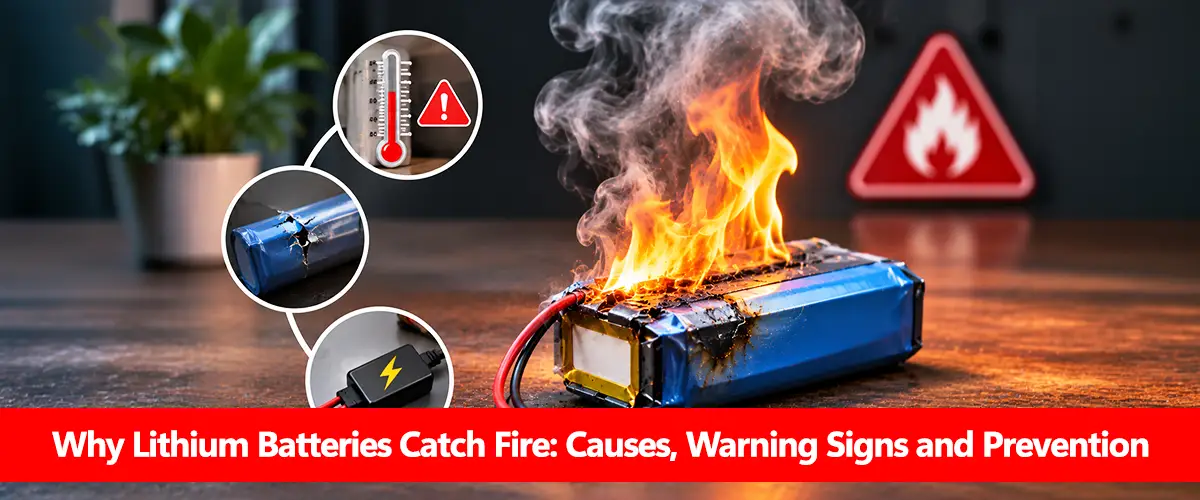
Understanding why lithium batteries catch fire starts with a process called thermal runaway. It occurs when a lithium-ion cell generates heat faster than it can release it, potentially causing rapid overheating, flammable gas release, smoke and fire.
Lithium-ion batteries are widely used in power banks, laptops, electric bikes and home energy storage systems because they can store substantial energy in relatively compact designs. Although properly manufactured and used lithium batteries are generally safe, physical damage, electrical faults, unsuitable charging and extreme temperatures can increase the risk of failure.
How Does a Lithium Battery Fire Start?
A lithium-ion battery contains an anode, cathode, electrolyte and separator. During normal operation, lithium ions move between the electrodes while the battery stores or releases energy. The separator helps keep the positive and negative electrodes apart. If it becomes damaged, an internal short circuit may develop, producing intense local heating.
One of the main causes of thermal runaway is an internal fault that starts a self-heating reaction. Heat can damage additional cell components, generating even more heat and potentially affecting neighboring cells. UL Research Institutes identifies internal short circuits, overcharging and exposure to temperatures outside safe operating conditions as important thermal-runaway triggers.
Not every overheating battery catches fire. However, once severe thermal runaway begins, a cell may release hot gases, smoke or flames, and the incident can escalate quickly.
The Most Common Causes of Lithium Battery Fires
Lithium battery fires usually involve one or more factors that push cells beyond their intended operating conditions.
| Possible Cause | How It Increases Fire Risk |
| Physical damage | Can deform cells or damage internal separators |
| Overcharging | May drive damaging chemical reactions and generate heat |
| Internal short circuit | Produces concentrated heat inside a cell |
| Extreme temperatures | Can accelerate degradation or unsafe reactions |
| Poor-quality components | May increase the likelihood of manufacturing or protection faults |
| Incompatible charging equipment | Can expose batteries to unsuitable electrical conditions |
For example, an electric-bike battery damaged in a collision may develop an internal fault that is not immediately visible. Likewise, a charger that does not meet the battery manufacturer’s specifications can create unsafe operating conditions.
Deep discharge and repeated improper charging can also contribute to cell deterioration.
These risks are different from those associated with lead-acid batteries, where flammable hydrogen gas is an important hazard. Our can batteries explode article explains that distinction.
Why Thermal Runaway Can Become Dangerous
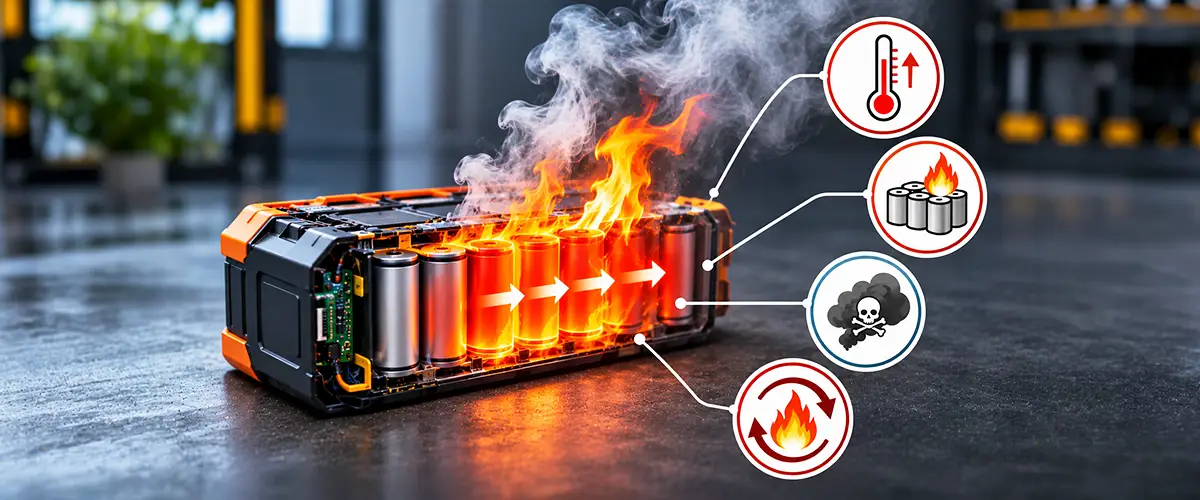
Thermal runaway is especially concerning because the heat produced by one failing cell may affect adjacent cells inside a battery pack. This can create a cascading failure involving multiple cells. Hot gases released during the process may ignite and spread fire to nearby combustible materials.
The U.S. Fire Administration also warns that lithium-ion battery incidents can involve toxic gases, ejected material and a risk of reignition even after visible flames have stopped.
Battery packs contain different amounts of stored energy, commonly measured in watt-hours (Wh). A larger energy capacity can increase the potential severity of an incident, although actual fire behavior also depends on chemistry, pack construction and surrounding conditions. For broader handling precautions, see our battery safety guide.
Warning Signs of a Failing Lithium Battery
Some lithium batteries show symptoms before a serious failure, while others may fail with little warning.
Common lithium battery fire warning signs include:
- Unusual heat: The battery becomes much hotter than expected during use, charging or storage.
- Swelling: The battery case expands, bulges or changes shape.
- Strange smells: A chemical or burning odor develops.
- Hissing or popping: Unusual sounds suggest possible venting or internal damage.
- Smoke or vapor: A potentially dangerous incident may already be underway.
Stop using or charging a battery that develops abnormal heat or physical deformation. Do not press, puncture, dismantle or attempt to flatten it.
If the battery is smoking, hissing, venting or rapidly heating, move away and warn others rather than approaching it to disconnect equipment. Our swollen battery guide explains why deformation requires immediate attention.
Can a Battery Management System Prevent Fires?
A Battery Management System (BMS) helps protect rechargeable lithium batteries by monitoring conditions such as cell voltage, current and temperature. Depending on its design, the BMS may stop charging or discharging when operating limits are exceeded. Cell balancing can also help maintain more consistent voltage across cells within a pack. However, a BMS cannot guarantee that a battery will never catch fire. Severe physical damage, internal defects or failures outside the protection system’s capabilities may still create dangerous conditions.
Lithium iron phosphate (LiFePO4) batteries generally have better thermal stability than some other common lithium-ion chemistries, but they are not completely free from fire risk. Correct installation, compatible chargers and appropriate thermal management remain essential.
How to Reduce Lithium Battery Fire Risks
Practical prevention focuses on keeping batteries within their intended electrical and environmental limits.
- Choose reliable equipment. Use batteries, chargers and devices from reputable manufacturers with appropriate safety certification.
- Use the correct charger. Follow the specified charging voltage, current limits and charging profile.
- Avoid physical damage. Do not use batteries that have been punctured, crushed or seriously impacted.
- Control temperature. Keep batteries away from excessive heat and follow manufacturer charging-temperature limits.
- Charge in a suitable location. Keep charging equipment away from combustible materials and do not block escape routes.
- Respond to warning signs. Stop using batteries showing abnormal heat, swelling, leakage or unusual odors.
Never bypass a lithium battery’s protective circuitry to force charging or restore operation. For a damaged battery that becomes unusually hot, follow the precautions in battery getting hot.
What Should You Do if a Lithium Battery Catches Fire?
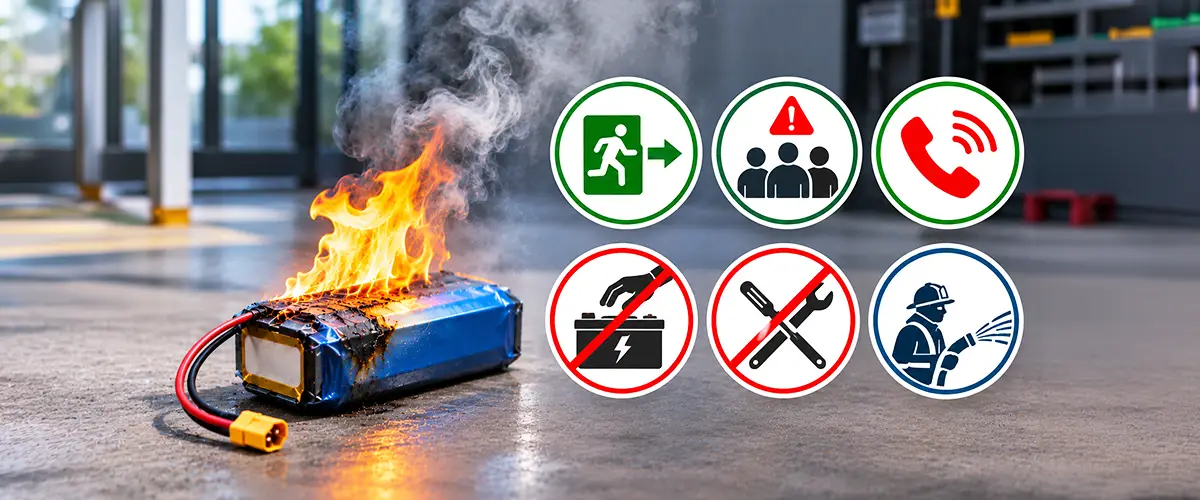
A lithium battery fire can develop rapidly and release hazardous smoke. If you notice flames, smoke, hissing or violent venting, evacuate the area, warn others and contact local emergency services immediately. Do not touch, carry or attempt to dismantle the affected battery. Avoid breathing smoke or vapor, and keep others away from the incident.
For large electric-bike, solar storage or energy storage batteries, do not attempt to disconnect high-current wiring or open the battery enclosure during an incident. Firefighting techniques vary by battery chemistry, system size and electrical hazards. Leave active battery fires to trained emergency responders. Even after the visible fire ends, damaged cells may reignite.
What Should You Do With a Damaged Lithium Battery?
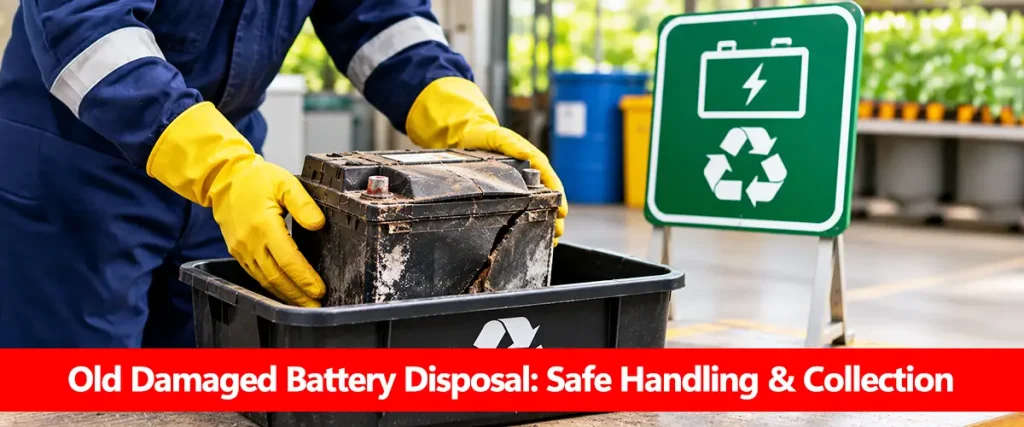
A lithium battery that is swollen, leaking, physically damaged or involved in a serious overheating incident should not be recharged or reused. The U.S. Environmental Protection Agency recommends lithium-ion battery recycling through specialized collection or recycling facilities rather than ordinary household rubbish or mixed recycling bins.
For damaged batteries, contact the manufacturer or a qualified recycler before handling or transporting them. Special packaging and transport precautions may be required.
Do not place a damaged lithium battery in a regular parcel shipment or attempt to make it safe by puncturing or completely discharging it. Our battery disposal guide covers appropriate end-of-life pathways for different battery types.
Conclusion
The main reason lithium batteries catch fire is severe internal failure that can trigger thermal runaway. Physical damage, short circuits, inappropriate charging and extreme temperatures are among the possible contributing factors.
Modern protective systems reduce these risks, but they cannot eliminate every type of failure. Recognizing warning signs, using compatible charging equipment and avoiding damaged batteries are essential safety practices.
If a lithium battery begins smoking, venting or rapidly overheating, prioritize evacuation and professional emergency assistance rather than attempting a repair.
Frequently Asked Questions
Why Do Lithium Batteries Suddenly Catch Fire?
An internal short circuit, severe overheating or another fault can trigger thermal runaway. Some failures develop rapidly, with limited visible warning.
Can Lithium Batteries Catch Fire While Not Charging?
Yes. Physical damage, internal defects or other failures can occur even when a battery is not connected to a charger.
Can Overcharging Cause a Lithium Battery Fire?
Yes. Overcharging may damage lithium-ion cells and increase the risk of overheating and thermal runaway.
Are LiFePO4 Batteries Safer Than Other Lithium Batteries?
LiFePO4 cells generally have higher thermal stability than some other lithium-ion chemistries, but improper use or severe damage can still create hazards.
Can a Swollen Lithium Battery Catch Fire?
Yes. Swelling indicates possible internal deterioration and should be treated as a safety warning. Stop using or charging the battery.
Does a BMS Completely Prevent Lithium Battery Fires?
No. A BMS reduces certain electrical and temperature-related risks but cannot guarantee protection against every internal fault or physical damage event.
Can a Lithium Battery Fire Restart After Being Extinguished?
Yes. Damaged lithium-ion cells may reignite after visible flames have stopped, so professional emergency assessment is important.
Can You Reuse a Lithium Battery After It Overheats?
A battery that has experienced serious abnormal overheating should not be reused until professionally assessed. Batteries with physical damage generally require replacement.
How Should a Damaged Lithium Battery Be Disposed Of?
Contact the manufacturer or a qualified recycler that accepts damaged lithium batteries. Do not place it in ordinary household waste or mixed recycling.