If your battery is getting hot, possible causes include overcharging, excessive electrical load, poor connections, high surrounding temperatures or internal damage. Batteries can become slightly warm during normal charging and discharging, but unusual heat—especially when accompanied by swelling, leakage or smoke—should never be ignored.
The first priority is safety. Stop using or charging an overheating battery if you can do so without approaching or touching it. If it is smoking, hissing, venting gas or becoming rapidly hotter, move away and contact emergency services. A damaged battery should not be recharged simply to see whether the problem returns.
Is It Normal for a Battery to Get Warm?
A battery generates some heat because its internal chemical reactions and electrical resistance are not perfectly efficient. Mild warmth may therefore occur during demanding use or charging, particularly when the surrounding temperature is already high. However, the difference between normal and unsafe temperature depends on the battery chemistry, model and manufacturer limits. A warm car battery in summer is not automatically defective, but excessive heat during charging may indicate an electrical or internal fault.
| What You Notice | Possible Meaning | Safe Response |
| Slight warmth during normal use | Expected operating heat | Check manufacturer limits |
| Battery becomes unusually hot while charging | Charging fault or internal problem | Stop charging if safe |
| One terminal or cable is much hotter | Poor connection or excessive current | Stop use; arrange electrical inspection |
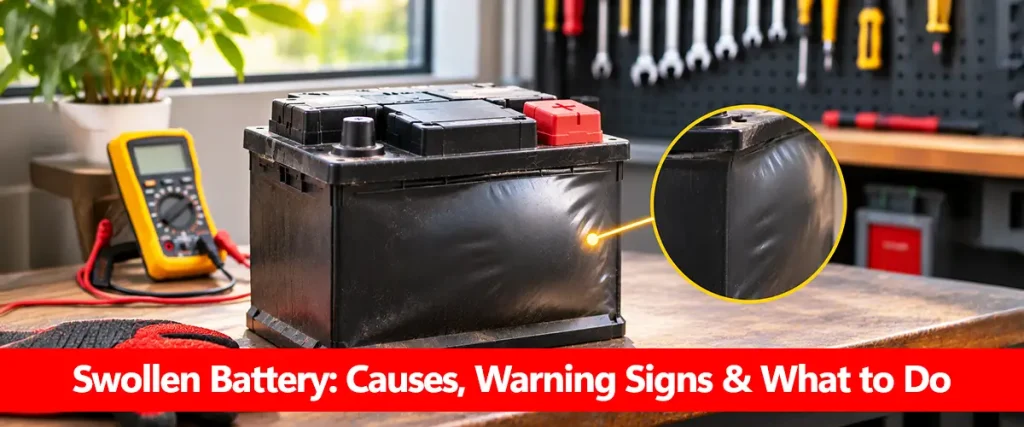
| Battery swells, leaks or smells unusual | Potentially serious damage | Keep away; seek professional help |
| Smoke, hissing or rapid heating | Possible fire or venting hazard | Evacuate the area and call emergency services |
Do not judge safety by touch alone. Use the battery’s built-in temperature monitoring or manufacturer-approved measurement method where available.
Why Is Your Battery Getting Hot?
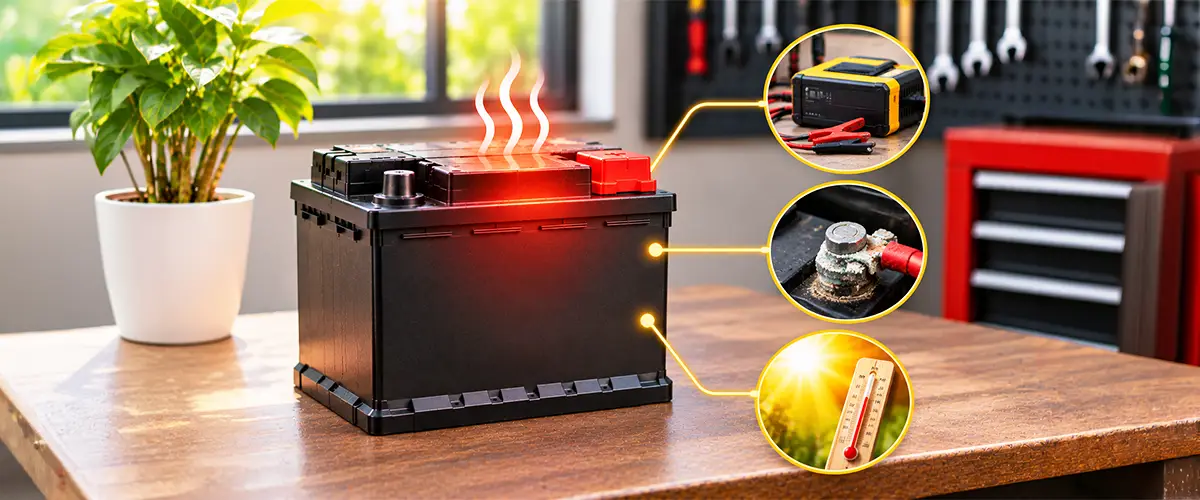
Several problems can increase battery temperature beyond its normal operating range. Identifying when overheating occurs helps narrow down the likely cause.
Incorrect Charging or Overcharging
A charger that supplies unsuitable voltage or current can generate excessive heat. In lead-acid batteries, overcharging causes heat buildup, increased gassing and faster deterioration. Faulty alternator regulation or incorrect inverter settings may also be responsible. For lithium batteries, an incompatible charger or failure of the charging-control system can create dangerous operating conditions. If overheating happens specifically during charging, have the charging equipment assessed before using it again. Our battery not charging and can you overcharge a battery articles explain related charging faults.
Excessive Load or Damaged Connections
High electrical current can generate heat in batteries, wiring and terminals. A system drawing more current than its components are designed to handle may develop overheating problems. A loose or corroded terminal can also create a high-resistance connection. In this situation, the cable or terminal may become much hotter than the rest of the battery. Do not tighten or disconnect hot connections while equipment is energized. A qualified technician should inspect cable condition, current demand and connection integrity.
High Ambient Temperature or Internal Damage
Batteries installed near engines, in direct sunlight or inside poorly ventilated enclosures can absorb additional heat. In Pakistan, this is particularly relevant for car batteries and UPS systems operating during intense summer temperatures.
Aging or damaged cells may also generate abnormal heat because of increased internal resistance or other faults. Our temperature effect on battery guide explains how environmental heat affects performance and lifespan.
How to Identify the Cause of Overheating
Once the equipment is safe and the battery has been professionally assessed if overheating was significant, use the following diagnostic sequence. Do not restart a battery that showed dangerous warning signs.
- Identify when heating occurs. Is it during charging, high electrical demand or while the equipment is idle?
- Check the surrounding environment. Look for blocked ventilation, direct sunlight or nearby heat sources without handling the battery.
- Review charger settings. Confirm the correct voltage, chemistry and charging limits against the manufacturer’s documentation.
- Check system warnings. A lithium battery may report a high battery temperature alarm through its BMS or monitoring system.
- Review connected loads. Excessive current demand can overheat batteries and cables.
- Arrange professional testing. Have charging voltage, connections and battery condition checked before resuming operation.
A basic multimeter may help a technician assess electrical faults, but voltage alone cannot confirm that an overheating battery is safe. See how to test battery with multimeter for normal voltage-testing principles.
Lead-Acid vs Lithium Battery Overheating
Lead-acid and lithium batteries can both overheat, but their hazards and protective systems differ.
- Lead-acid batteries may generate excessive gas and heat when overcharged. Flooded batteries can also lose water through prolonged gassing. They require suitable ventilation because hydrogen released during charging can create an explosion hazard near ignition sources.
- Lithium batteries often use a battery management system (BMS) to monitor cell temperature and stop charging or discharging when specified limits are exceeded. However, a BMS does not make a damaged battery completely risk-free.
For example, Victron Lithium Smart systems can disable charging when high-temperature protection activates. The exact temperature thresholds vary by product. Never bypass a battery’s temperature sensor, protective cutoff or BMS to restore operation.
Why an Overheating Lithium Battery Is Dangerous
One serious concern associated with damaged lithium-ion cells is thermal runaway. This occurs when a cell begins heating uncontrollably, generating heat faster than it can dissipate. According to UL Research Institutes, thermal runaway can cause gas release, very high temperatures, smoke and fire. A battery does not need to be visibly burning to present a serious hazard. Warning signs include sudden temperature increases, swelling, unusual odors, hissing or smoke. If these appear, do not touch, carry, open or immerse the battery in water as a troubleshooting attempt. Move away, warn others and contact emergency services. For other physical warning signs, see swollen battery and our battery safety guide.
When Should You Replace an Overheating Battery?
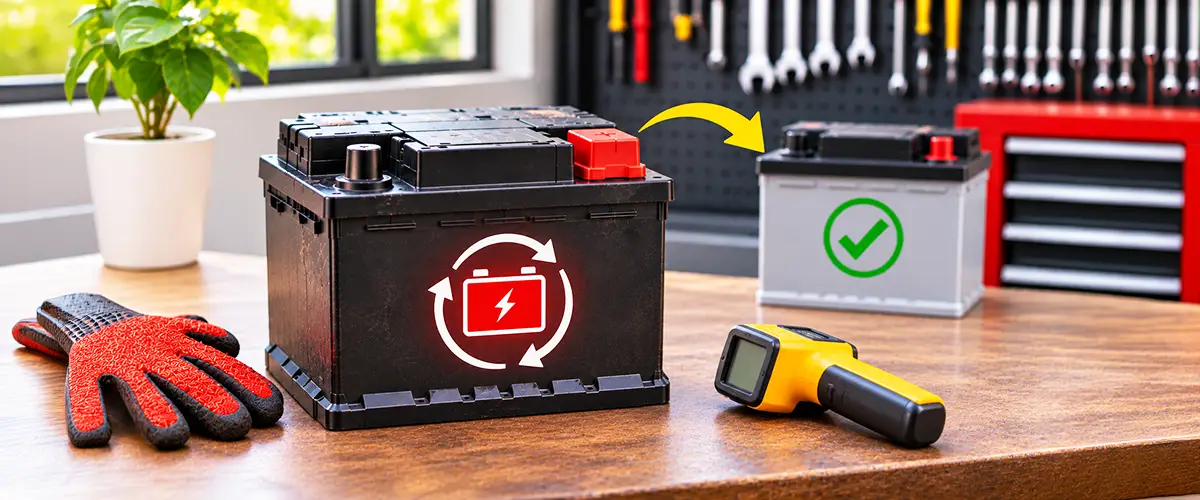 A battery that became slightly warm during approved operation does not automatically require replacement. However, repeated abnormal heating warrants professional investigation of both the battery and its charging system.
Replacement may be necessary when the battery shows:
- Swelling, leakage or physical deformation.
- Repeated temperature-protection faults despite correct operating conditions.
- Confirmed internal damage or failure during an approved health test.
- Persistent abnormal heat after external charging and connection faults are ruled out.
An overheating battery should not be subjected to repeated charge-and-discharge trials to determine whether it can recover. Severe heat exposure can damage internal components even if the battery later cools.
If the battery is discharged as well as damaged, do not attempt recovery without professional assessment. Our can a dead battery be recharged article explains when recharging may be appropriate.
How to Reduce Battery Overheating Risks
Preventing battery overheating starts with compatible equipment and suitable installation conditions. Correct charging, electrical protection and ventilation are particularly important for vehicles and home backup systems.
Use manufacturer-approved chargers, avoid exceeding battery current limits and keep ventilation openings unobstructed. Regular inspection may help identify deteriorating terminals and charging faults before they become serious.
For longer-term prevention, follow battery maintenance practices. Do not modify battery protection systems or use damaged electrical cables.
Conclusion
A battery getting hot can indicate normal operating warmth, but unusual or rapidly increasing heat requires immediate attention. Overcharging, excessive electrical loads, poor connections, external heat and internal damage are common possible causes.
Stop unsafe operation first, then have the charging system and battery professionally assessed. Swelling, smoke, gas venting or rapid heating are serious warning signs that require keeping people away and seeking emergency assistance.
Frequently Asked Questions
Why Is My Battery Getting Hot While Charging?
Possible causes include incorrect charging voltage, excessive current, high ambient temperature or internal battery damage. Stop charging if abnormal heating occurs.
Is It Normal for a Battery to Feel Warm?
Slight warmth can occur during normal operation. Excessive heat, rapid temperature increases or unusual smells are not normal.
Can Overcharging Make a Battery Hot?
Yes. Overcharging can generate excessive heat and damage battery components, particularly in lead-acid systems.
Why Is One Battery Terminal Getting Hot?
A loose, corroded or damaged connection may create electrical resistance and localized heating. Stop use and have the connection inspected.
Can a Hot Battery Explode?
A severely overheated battery may present fire, venting or explosion risks depending on its chemistry and condition. Keep away from batteries showing dangerous warning signs.
Should I Pour Water on an Overheating Battery?
No. Do not pour water over a battery as an improvised cooling or repair method. Move away and follow emergency-service instructions if there is smoke, venting or fire.
Can I Recharge a Battery After It Overheats?
Do not recharge a battery that experienced abnormal or severe overheating until a qualified professional has assessed its safety.
Does a Lithium Battery Automatically Stop Charging When Hot?
Some lithium systems use BMS temperature protection to stop charging, but protection capabilities vary and cannot prevent every possible failure.