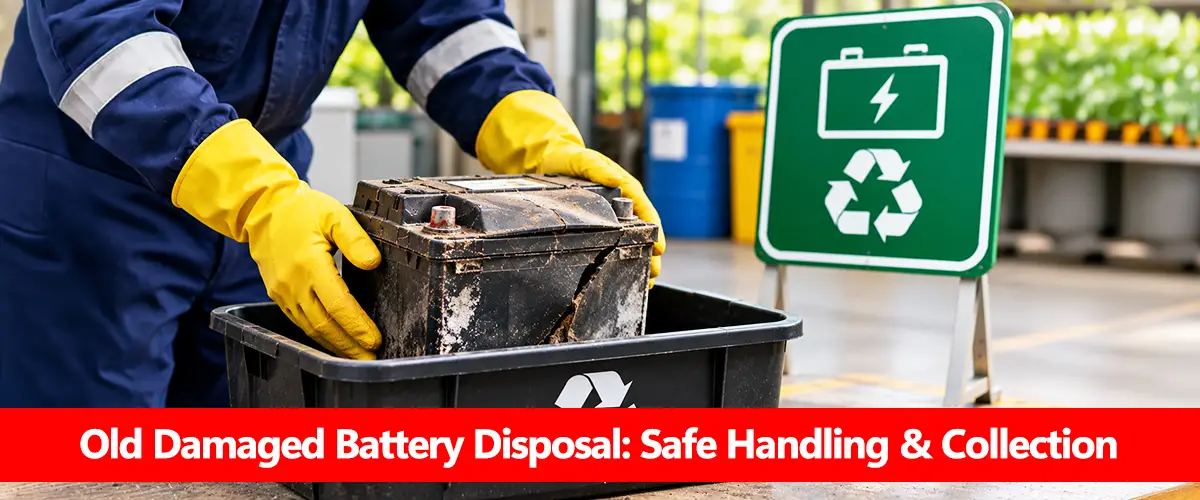
Old damaged battery disposal requires extra precautions because a battery that is swollen, leaking, cracked or physically damaged may still contain substantial electrical energy and hazardous chemicals. Unlike an ordinary used battery, a damaged battery can present increased risks of short circuits, chemical exposure, overheating or fire.
The safest option is to stop using the battery and arrange collection through a qualified service provider that accepts damaged batteries. Do not attempt to repair, recharge, dismantle or deliberately discharge it before disposal.
When Is an Old Battery Considered Damaged?
A battery is not necessarily hazardous simply because it is old or no longer holds enough charge. However, visible physical damage or abnormal operating behavior may indicate a more serious condition.
| Battery Condition | Main Concern | Recommended Response |
| Old but physically intact | Residual electrical energy | Use approved battery collection |
| Swollen or deformed | Internal damage and potential fire risk | Stop use; contact a specialist |
| Cracked or leaking | Chemical exposure and electrical hazards | Avoid contact; arrange specialist handling |
| Punctured or crushed | Internal short circuit or exposure to battery materials | Do not handle unnecessarily |
| Smoking, hissing or rapidly heating | Possible active battery emergency | Evacuate and call emergency services |
A battery showing smoke, unusual gas release or rapidly increasing heat is an immediate safety concern, not a routine disposal task. Our swollen battery guide explains why visible deformation should never be ignored.
What Should You Do Before Disposing of a Damaged Battery?
The first priority is preventing further damage or exposure. Avoid moving the battery unless a qualified professional confirms that handling is safe.
Follow this decision checklist:
- Stop using the battery. Do not attempt another charging or discharging cycle.
- Check for emergency symptoms from a safe distance. Smoke, hissing, fumes or rapid heating require evacuation and emergency assistance.
- Identify the battery type. Note the chemistry and model from existing labels or product documentation without handling an unsafe battery.
- Avoid physical contact with damaged areas. Do not press swollen cases or touch leaking materials.
- Contact a suitable collection provider. Explain the damage before arranging collection.
- Follow professional handover instructions. Packaging, isolation and transport requirements depend on battery chemistry and condition.
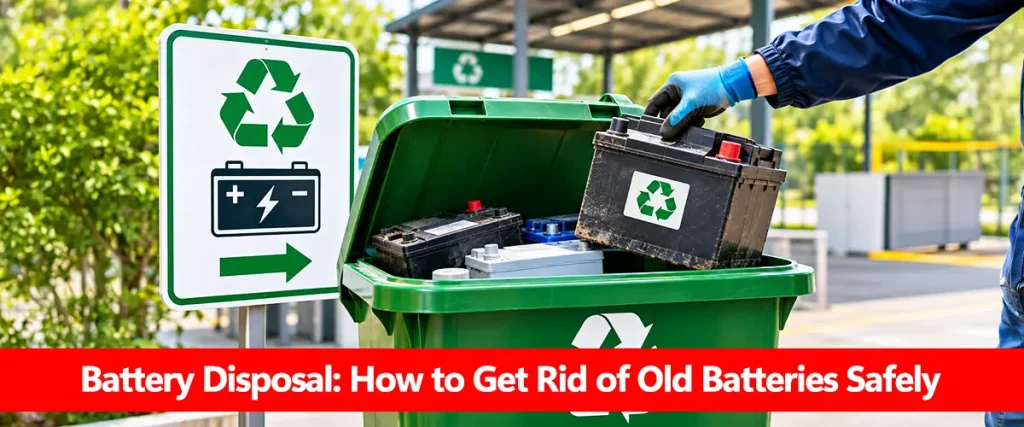
Do not apply tape directly to leaking or hot batteries as an improvised safety measure. Terminal protection methods commonly recommended for intact used batteries may not be appropriate for severely damaged units. For ordinary undamaged batteries, our battery disposal article explains the usual collection procedures.
How to Dispose of Damaged Lithium-Ion Batteries
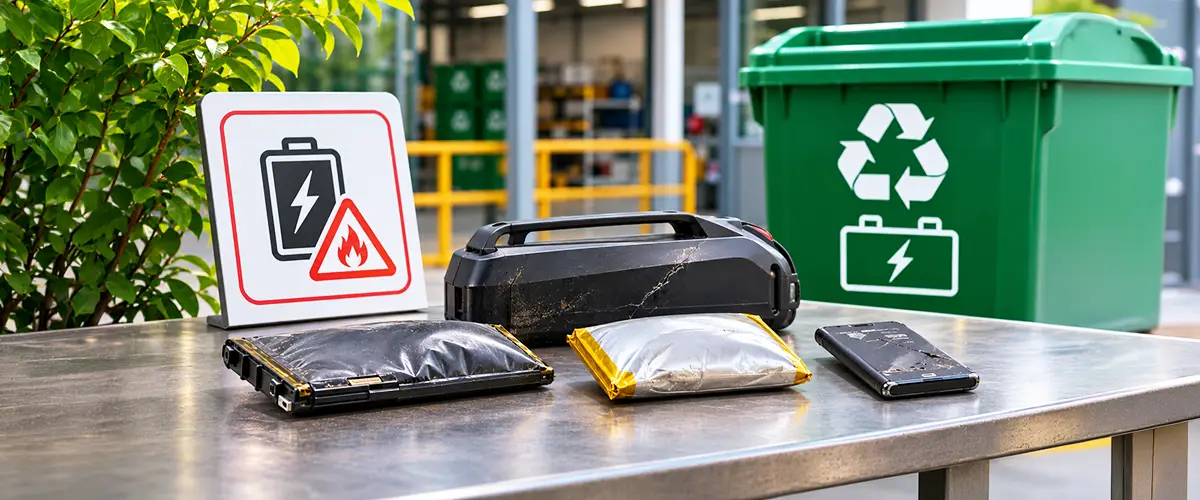
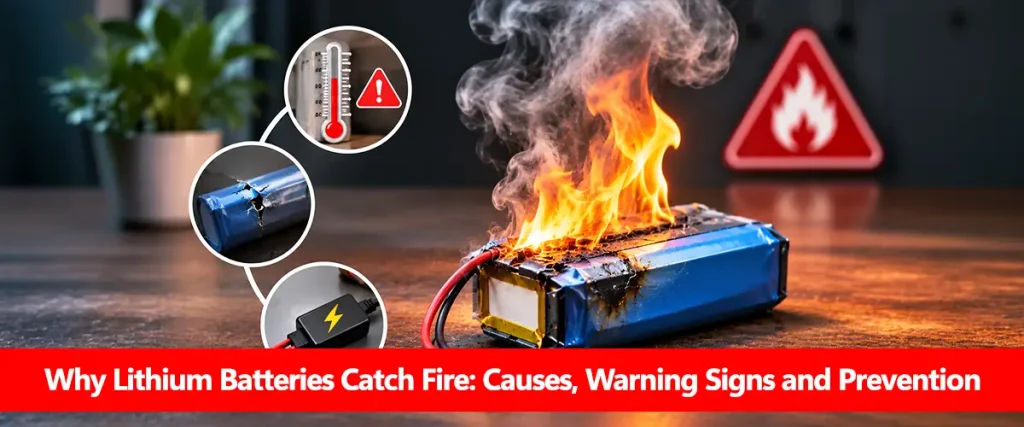
Damaged lithium-ion batteries require particularly careful handling because internal faults may cause short circuits, gas release, overheating or fire. The U.S. Environmental Protection Agency recommends keeping damaged or defective lithium batteries separate from ordinary battery waste and following appropriate handling and transport arrangements.
For example, a swollen laptop battery should not be forced out of the device. Similarly, a damaged electric-bike battery should not be connected to a charger to check whether it still works.
Contact the device manufacturer, authorized service provider or specialist recycler. Explain whether the battery is swollen, punctured, leaking or known to have overheated. Do not place damaged lithium batteries in household rubbish, mixed recycling bins or ordinary battery collection boxes without the receiving facility’s approval. The battery safety guide covers broader lithium battery precautions.
How to Handle a Damaged Lead-Acid Battery
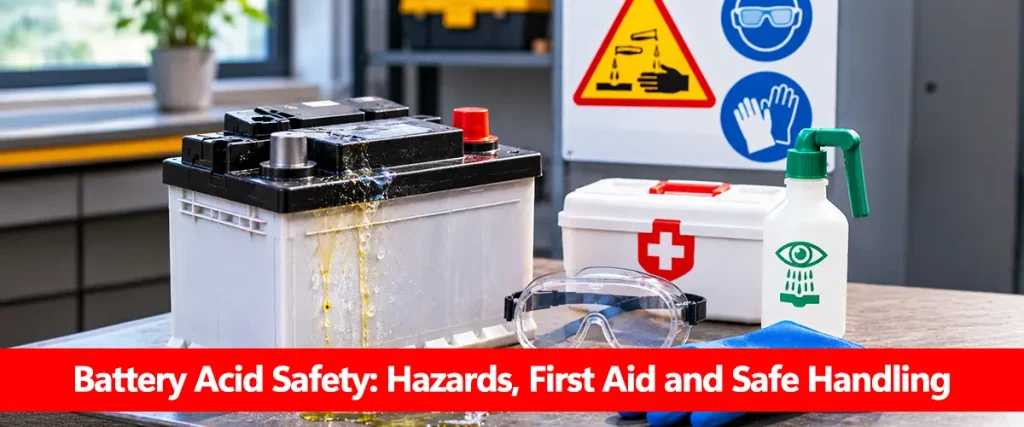
A leaking lead-acid battery presents different hazards because its electrolyte contains corrosive sulfuric acid. Lead-acid batteries may also contain significant residual electrical energy and can release flammable gas under certain conditions. A cracked car or UPS battery should not be opened, tilted to drain its contents or treated with household chemicals.
If the battery is leaking, keep people and pets away from the affected area and arrange assessment by a qualified battery service provider. Trained personnel may need chemical-resistant protective equipment and appropriate spill-control procedures. For accidental acid contact with skin or eyes, begin flushing with gently flowing water immediately and obtain urgent medical assistance. Follow local emergency and poison-control guidance. Our battery acid safety article explains chemical exposure precautions in more detail.
Can You Transport or Ship a Damaged Battery?
Transporting a damaged battery can create additional risks because vibration, impact, short circuits or changing temperatures may worsen its condition.
In the United States, the Pipeline and Hazardous Materials Safety Administration (PHMSA) identifies special transport requirements for damaged, defective and recalled lithium batteries. Such batteries may need approved packaging, labeling and specific transport arrangements.
These are U.S. regulatory requirements; requirements in Pakistan or other countries may differ. However, the underlying safety concern is relevant everywhere. Do not send damaged lithium batteries through ordinary courier or postal services without explicit confirmation that the carrier can legally and safely accept them.
Before collection, tell the service provider:
- The battery’s type and approximate size.
- Whether it is swollen, leaking, punctured or otherwise damaged.
- Whether it has produced unusual heat, smoke or gas.
- Whether it is installed inside equipment or already removed.
For large UPS, solar and electric-vehicle batteries, use qualified technicians who understand electrical isolation and hazardous battery transport.
Where to Take Damaged Batteries in Pakistan
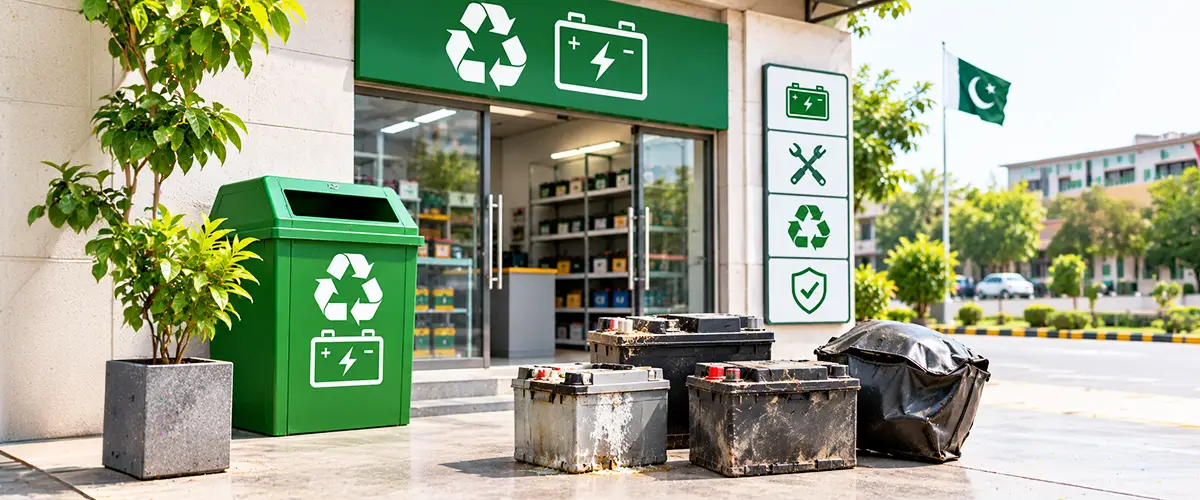
In Pakistan, suitable collection options may include established battery retailers, authorized brand service centers, qualified recycling businesses and specialist hazardous-waste handlers. However, not every battery shop or scrap dealer can safely accept a leaking lead-acid battery or damaged lithium pack.
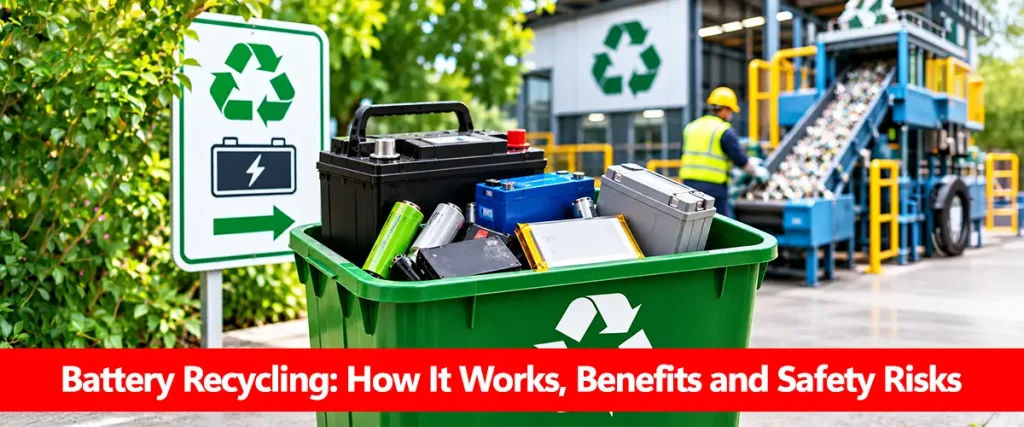
Before arranging collection, ask whether the provider accepts the specific battery chemistry and physical condition. For severely damaged batteries, request professional collection rather than transporting the battery yourself. Avoid handing leaking or swollen batteries to informal operators who dismantle cells, drain electrolyte or process battery materials without proper safety controls. The battery recycling guide explains why responsible downstream processing matters.
What Happens After a Damaged Battery Is Collected?
Qualified facilities assess batteries according to their chemistry and condition. They may require separation from ordinary battery waste, specialized storage and controlled industrial processing. Lead-acid recyclers can recover lead and other battery components using appropriate equipment. Lithium battery recyclers use different processes to recover selected metals and materials.
Not every damaged battery can enter a standard recycling stream immediately. Some require additional safety controls or treatment before material recovery. Consumers should never attempt these industrial processes at home.
Conclusion
Safe old damaged battery disposal begins with recognizing whether a battery is merely worn out or physically unsafe. Swollen, leaking, punctured and overheated batteries need more careful handling than ordinary used batteries. Lithium-ion batteries present electrical and fire risks, while damaged lead-acid batteries can also expose people to corrosive electrolyte.
Do not attempt repairs, forced discharge or improvised packaging. Contact a qualified collection provider, describe the battery’s condition and follow the appropriate handling and transport instructions.
Frequently Asked Questions
How Do I Dispose of an Old Damaged Battery?
Stop using it and contact a qualified battery recycler, manufacturer or hazardous-waste service that accepts damaged batteries. Explain its condition before arranging collection.
Can I Throw a Damaged Battery in the Trash?
No. Damaged rechargeable batteries may cause fires, chemical exposure or other hazards during waste collection and processing.
Is It Safe to Move a Swollen Battery?
Avoid moving it unnecessarily. If it is hot, smoking, hissing or venting, move away and contact emergency services. Otherwise, obtain professional handling instructions.
Can a Leaking Car Battery Be Recycled?
Yes, through a qualified service that accepts damaged lead-acid batteries. Do not drain the acid or attempt to repair the casing yourself.
Can I Mail a Damaged Lithium Battery?
Do not use ordinary mail or courier services without confirmation from an appropriately authorized carrier. Damaged lithium batteries can be subject to specialized transport restrictions.
Should I Discharge a Battery Before Disposal?
Do not deliberately discharge a damaged battery. Improvised discharge methods may create dangerous electrical or thermal conditions.
Can a Damaged Battery Catch Fire After It Stops Working?
Yes. Some batteries retain electrical energy or have internal faults even when they no longer power equipment normally.
Where Can I Dispose of a Damaged UPS Battery in Pakistan?
Contact an established battery retailer, authorized service provider or qualified recycler that specifically accepts damaged lead-acid or lithium UPS batteries.
Should Damaged Batteries Be Stored With Normal Used Batteries?
No. Damaged batteries may require separate storage and specialist handling. Follow the receiving facility’s instructions rather than placing them in ordinary battery collection containers.