

Your cart is currently empty!.
You may check out all the available products and buy some in the shop.
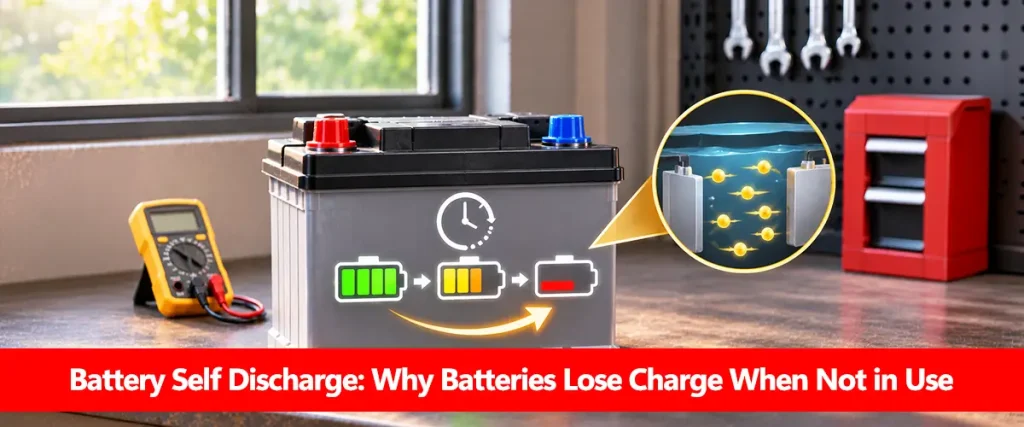
Continue ShoppingBattery self discharge is the gradual loss of stored electrical charge when a battery is not connected to a load or being used.
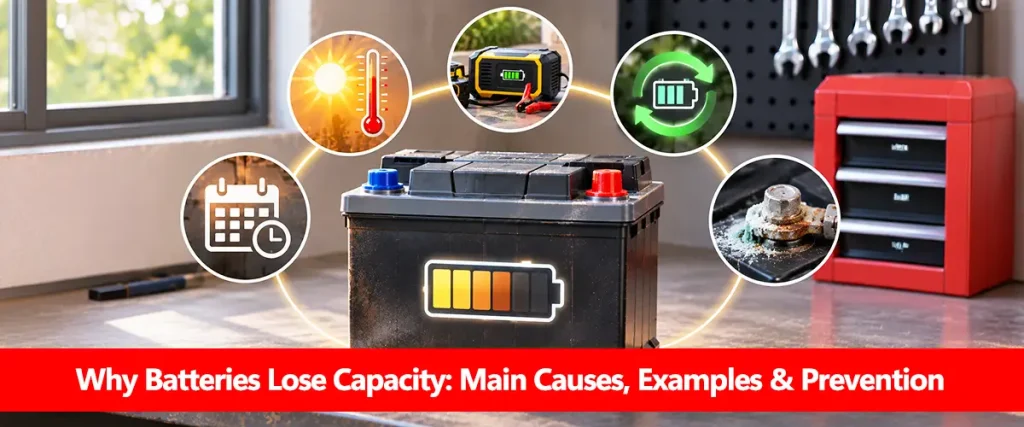
Why batteries lose capacity comes down to chemical aging, repeated charging cycles, temperature exposure and changes inside their cells.
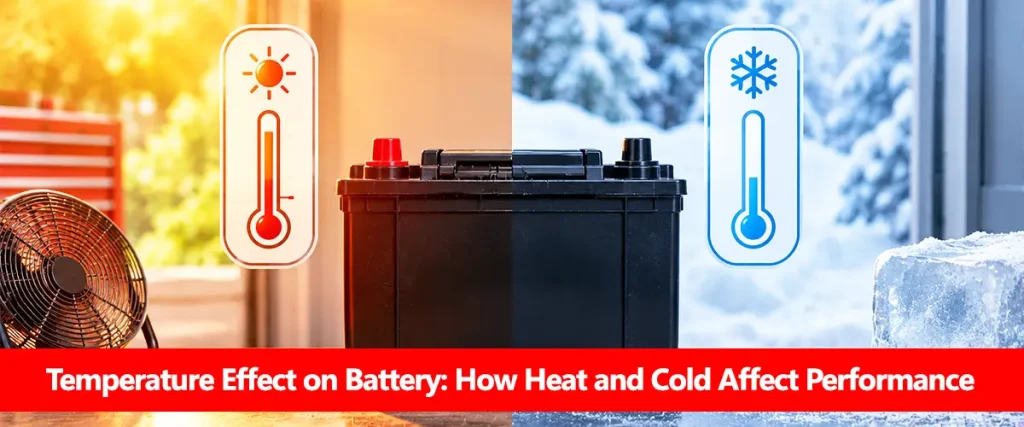
The temperature effect on battery performance involves changes in available capacity, charging efficiency, power output and lifespan.
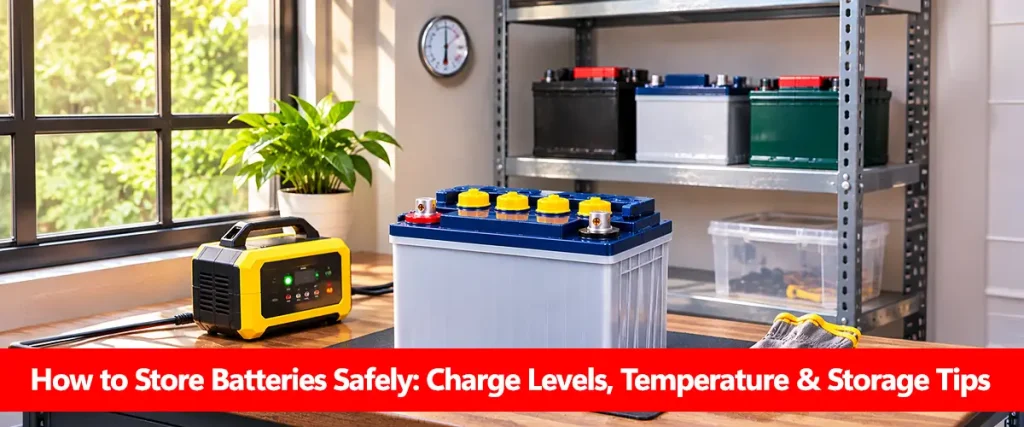
Knowing how to store batteries correctly helps prevent unnecessary discharge, corrosion and premature deterioration.
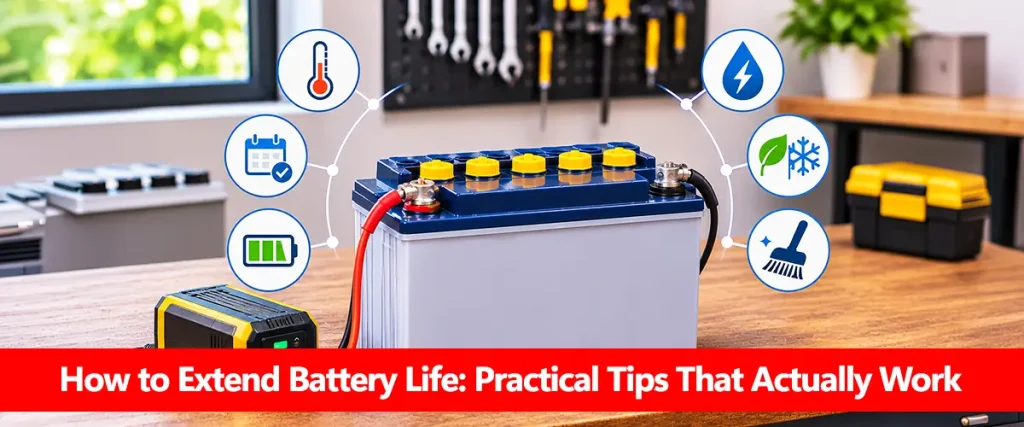
Learning how to extend battery life starts with three habits: charge your battery correctly, avoid excessive discharge and protect it from extreme temperatures.
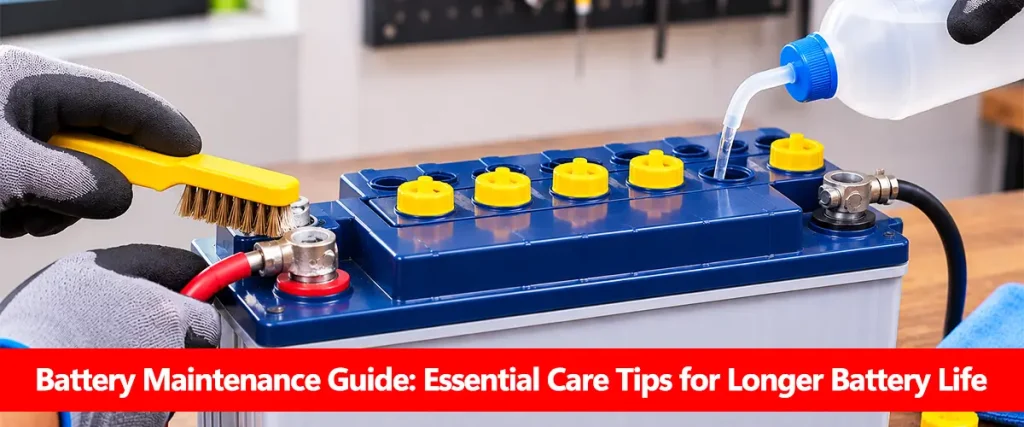
Battery maintenance means regularly checking, charging and caring for a battery to keep it operating safely and efficiently.
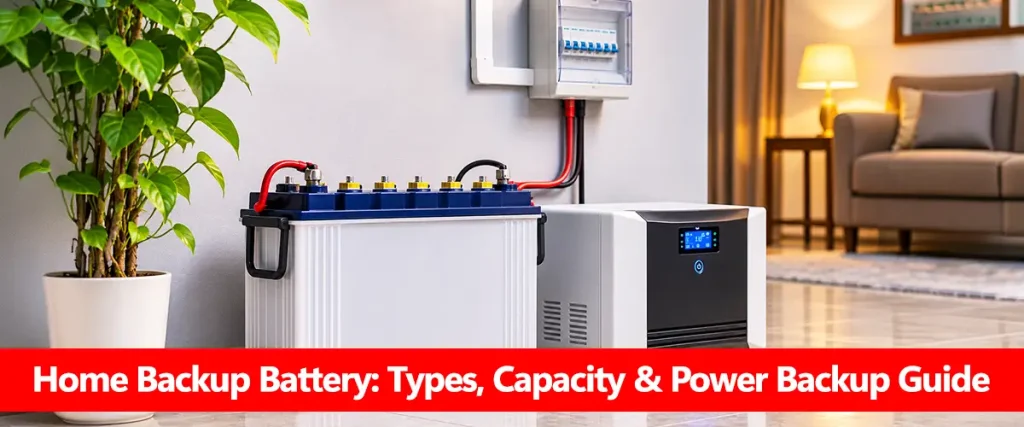
A home backup battery stores electrical energy and supplies power to household appliances during electricity outages.
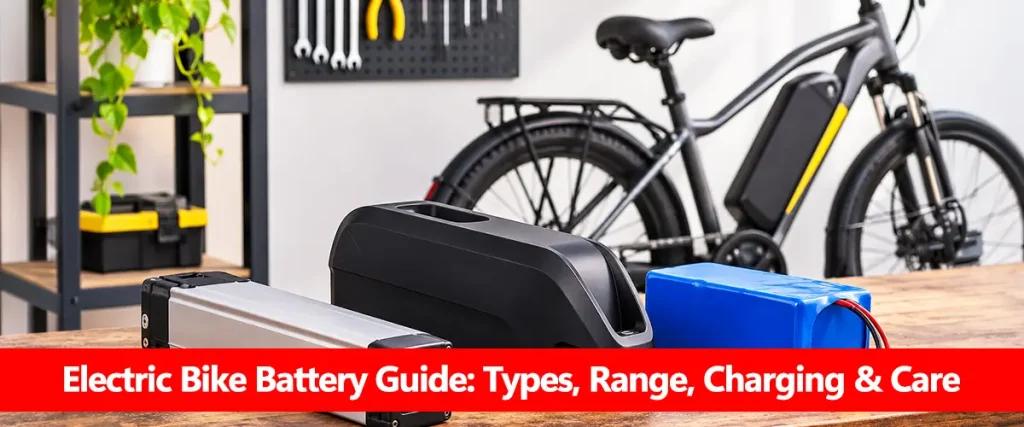
This electric bike battery guide explains how an e-bike battery works, what its voltage and capacity ratings mean, and how to maintain it safely.
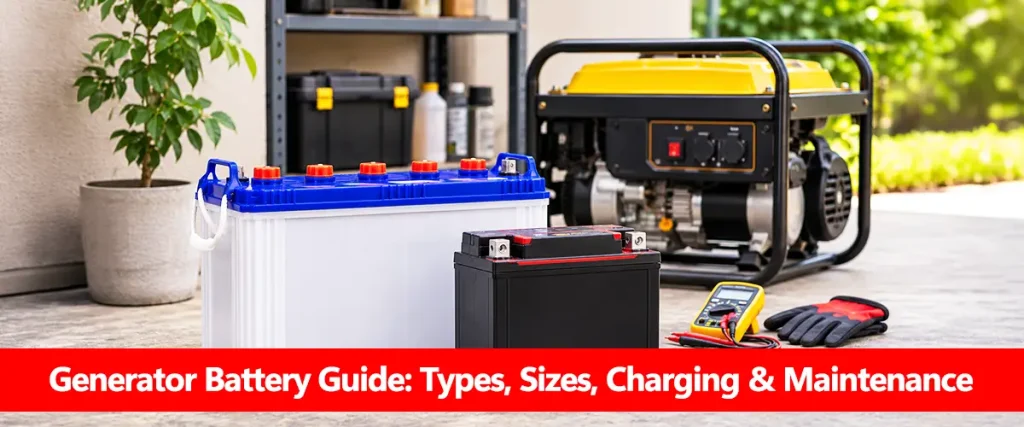
This generator battery guide explains how generator starting batteries work, which types are commonly used and what specifications matter when selecting a replacement.
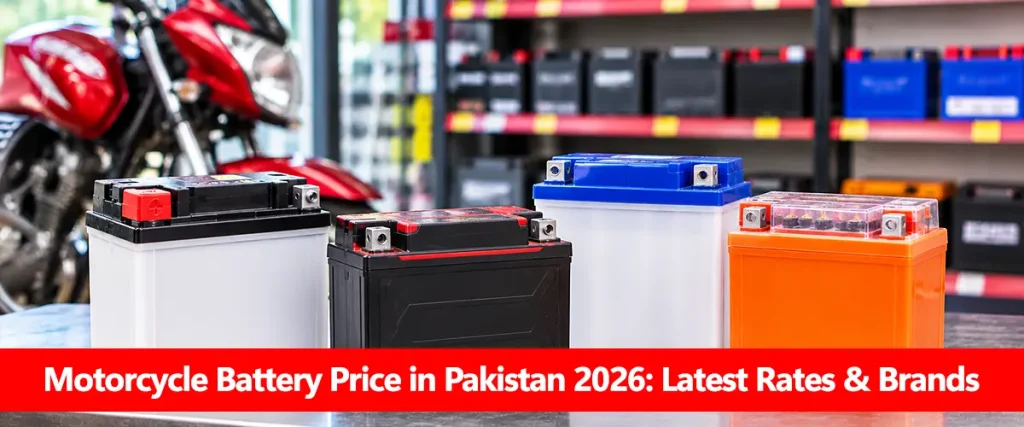
The motorcycle battery price in Pakistan depends on battery capacity, brand, technology and warranty.
