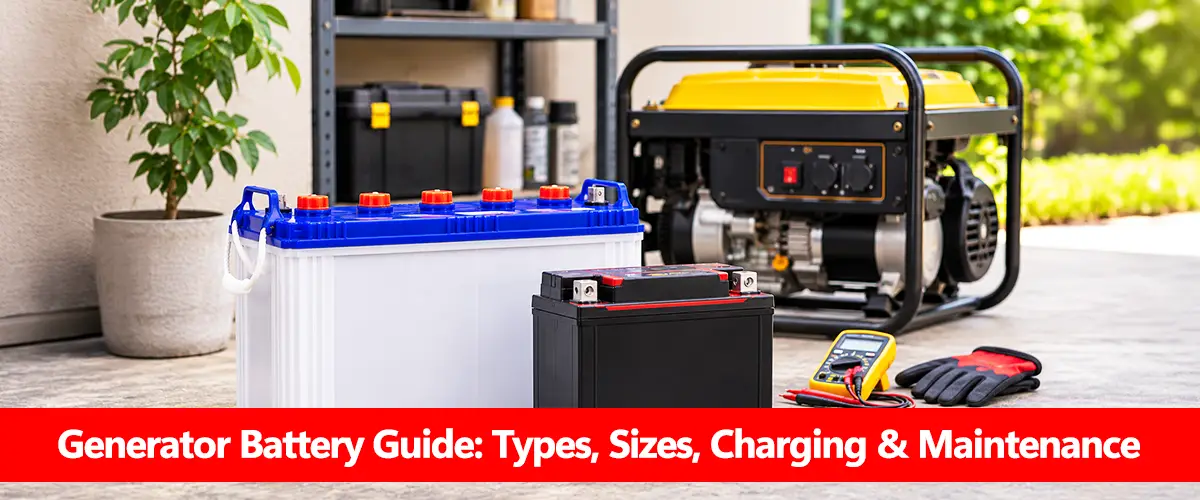
This generator battery guide explains how generator starting batteries work, which types are commonly used and what specifications matter when selecting a replacement. A generator battery is a rechargeable power source that supplies electricity to the starter motor and, in many systems, the electronic controls needed to start the generator.
Most electric-start generators use a 12V or 24V battery system, depending on the equipment. The battery’s job is different from the generator’s main purpose: the battery starts the engine, while the running generator produces electricity for connected loads. Understanding this difference helps you select the right battery and avoid unnecessary starting problems.
What Does a Generator Battery Actually Do?
When you press the start button or an automatic standby generator receives a start command, the battery supplies electrical current to the starter motor. The starter turns the engine until combustion begins and the generator can operate independently.
In automatic generator systems, the battery may also power the control panel, start relays and monitoring equipment. A weak battery can therefore prevent the generator from starting even when fuel, engine oil and other components are in good condition.
Not every portable generator needs a battery. Some smaller models use manual recoil starting instead of an electric starter. For electric-start models, battery requirements must be checked against the equipment manufacturer’s specifications.
The basic principle is similar to an automotive starter battery, although generator starting requirements and maintenance arrangements can differ.
Generator Battery Types and Their Applications
Lead-acid batteries are widely used for generator starting because they can deliver high current for a short period. Their construction varies according to generator size, maintenance requirements and operating conditions.
| Battery Type | Main Characteristics | Typical Application |
| Flooded lead-acid | Liquid electrolyte; some designs require servicing | Conventional generator sets |
| Maintenance-free lead-acid | Reduced routine electrolyte maintenance | Home and commercial generators |
| AGM / VRLA | Sealed, low-maintenance construction | Selected standby generators |
| Industrial Ni-Cd | Specialized industrial design | Certain large or critical installations |
| Lithium starter battery | Requires compatible controls and charging | Manufacturer-approved systems |
An AGM battery may be suitable where the generator manufacturer specifies sealed lead-acid technology. However, a conventional flooded lead-acid battery can also be appropriate for compatible equipment.
Battery chemistry should never be changed solely because a newer technology seems more advanced. Lithium batteries, for example, require suitable protection electronics and charging compatibility.
12V vs 24V Generator Battery Systems
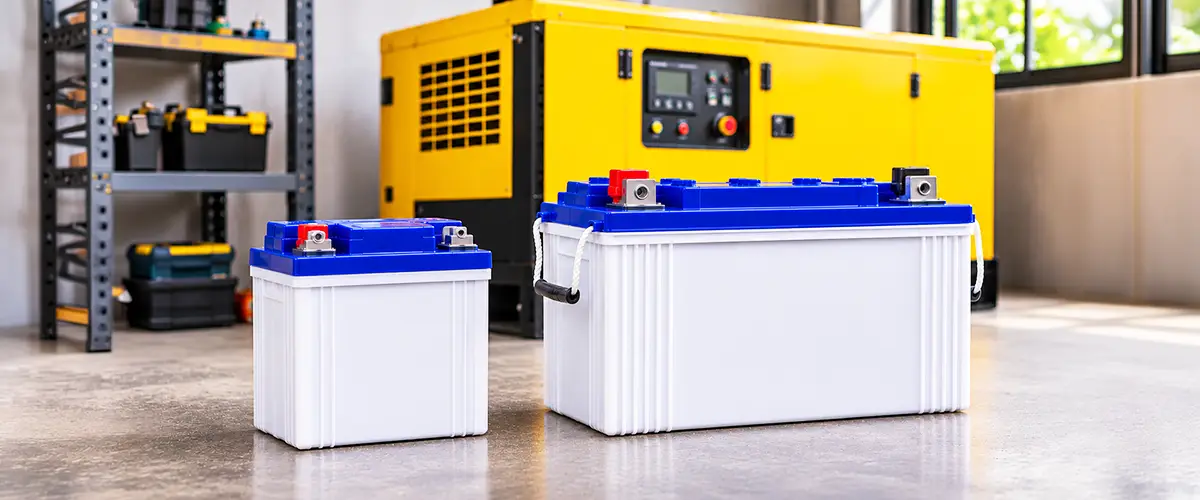
Generator starting systems commonly use 12V or 24V DC electricity. Smaller generators often use a single 12V battery, while some larger diesel generator sets require 24V arrangements. A 24V lead-acid system may use two matching 12V batteries connected in series. However, generator manufacturers can specify different configurations depending on the engine and controller. The required system voltage must be matched exactly. Installing the wrong voltage can prevent starting or damage electrical equipment.
Battery capacity and starting-current capability also matter:
- Voltage (V): Must match the generator’s starting system.
- Amp-hours (Ah): Indicates rated charge capacity.
- CCA: Describes standardized cold-starting current capability.
- Battery dimensions: Must fit the designated tray.
- Terminal arrangement: Must match cables and mounting requirements.
For example, Cummins India lists a 12V 100Ah battery configuration for certain generator sets up to 25kVA and larger configurations for higher-capacity equipment. These are product-specific examples, not universal generator battery sizing rules. To understand battery connections and voltage requirements, see 12V vs 24V vs 48V battery systems.
How to Choose the Correct Generator Battery
Generator battery selection should begin with the engine manufacturer’s requirements rather than the generator’s advertised output alone. Two generators with similar kVA ratings can have different engines and starting demands.
Before purchasing a replacement, verify:
- Generator model and engine: Confirm the manufacturer’s specified battery.
- Starting voltage: Identify whether the equipment needs 12V or 24V.
- Capacity and CCA: Meet the approved electrical ratings.
- Battery technology: Match the recommended chemistry.
- Physical dimensions: Check tray size, mounting and terminal layout.
- Warranty and availability: Confirm genuine stock and service support.
A battery with higher Ah capacity is not automatically a better choice. The car battery CCA guide explains why starting-current performance is different from charge capacity.
For generators in Pakistan, dust, summer heat and long periods of inactivity also make correct battery storage and maintenance important.
How Does a Generator Battery Stay Charged?
Generator batteries need sufficient charge to start the engine whenever required. Depending on the equipment, charging may occur through an engine-driven charging system or an external AC-powered battery charger. Many automatic standby generators have integrated smart chargers that maintain battery charge while the generator is not running. Generac, for example, uses an integrated charging arrangement on several home standby systems.
This is particularly important during extended periods between power outages. A standby generator may remain unused for weeks but still needs a healthy starting battery.
For reliable charging:
- Keep the approved battery charger operational.
- Confirm the correct charging profile for the battery chemistry.
- Inspect charger-related warnings during scheduled maintenance.
- Follow the manufacturer’s instructions for standby charging.
Lead-acid batteries can use controlled bulk, absorption and float charging, depending on the charger design. Our battery charging voltage and float charging guides explain these principles.
Maintenance That Keeps a Generator Ready to Start
Generator batteries can deteriorate because of heat, insufficient charging, terminal corrosion or extended storage. Regular inspection is especially important for emergency backup generators because a weak battery may remain unnoticed until the next power outage.
Useful maintenance includes checking battery voltage and condition, keeping connections secure, monitoring the charger and following the generator’s scheduled inspection requirements.
For certain Generac home standby models, manufacturer guidance recommends annual battery inspection and indicates an average battery life of approximately 3–5 years. Actual replacement timing depends on the generator model, battery type and operating conditions.
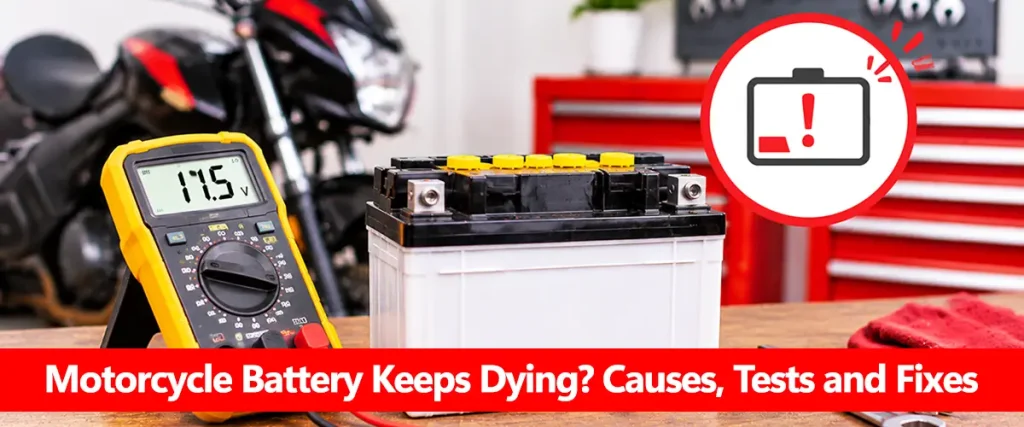
If the battery repeatedly loses charge, have the charging system and connections inspected. Similar electrical faults are explained in motorcycle battery keeps dying, although generator-specific diagnostics must follow its service manual.
Generator Starting Battery vs Home Backup Battery
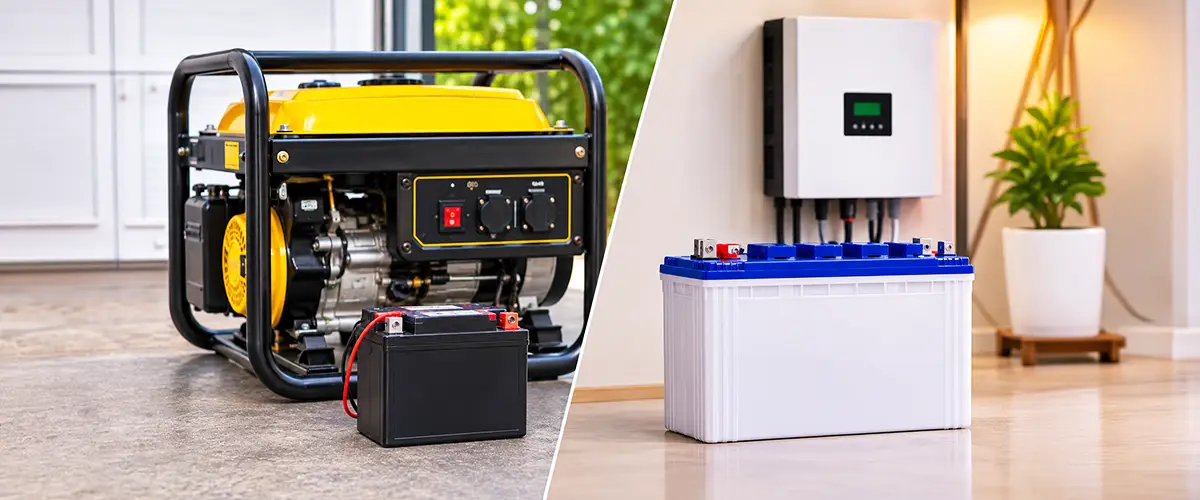
One common misconception is that the generator’s starting battery powers household appliances during an electricity outage. In a conventional fuel-powered generator, the battery primarily starts the engine. Once running, the generator produces electrical power for the connected load.
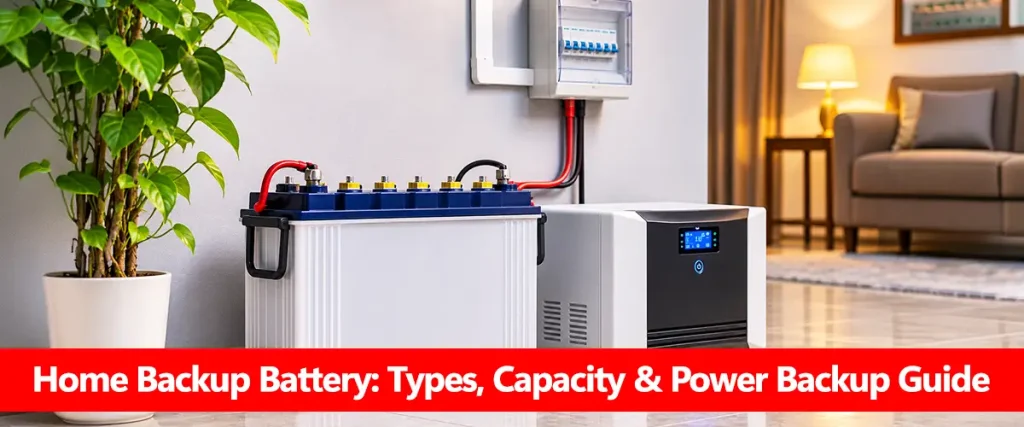
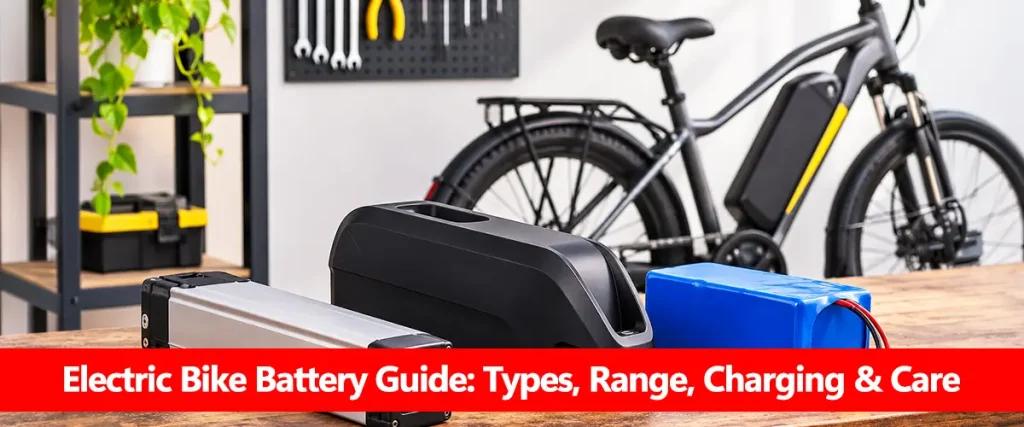
By contrast, a home backup battery stores energy that can directly support appliances through a compatible inverter. These applications have different battery sizing and discharge requirements. An electric bike battery also serves a different purpose because it normally powers an electric motor rather than briefly cranking a combustion engine.
When Should You Replace a Generator Battery?
A generator battery may need replacement if it cannot deliver adequate starting current after proper charging, fails an approved battery-health test or develops physical damage. Slow cranking, repeated charger faults and difficulty starting after extended standby periods are reasons to investigate. However, a charging-system problem or corroded connection can produce similar symptoms.
Important safety warning: Automatic generators can start unexpectedly. Before battery inspection or replacement, the equipment must be disabled according to its manufacturer’s lockout and maintenance procedure.
Never charge or handle a battery that is swollen, leaking, cracked, frozen or unusually hot. Large generator systems should be serviced by qualified technicians because they may involve high-current DC circuits and automatic-start equipment.
Conclusion
A generator battery guide helps explain why a reliable starting battery is essential for electric-start and automatic standby generators. Most systems use approved lead-acid battery configurations, commonly at 12V or 24V, although specialized industrial technologies are also available.
The correct battery must match the generator’s starting voltage, capacity, current requirements and physical fit. Proper charging, regular inspection and timely replacement help ensure the generator is ready when backup electricity is needed.
Frequently Asked Questions
What Type of Battery Is Used in a Generator?
Many electric-start generators use lead-acid starter batteries, including flooded, maintenance-free or AGM designs. The correct type depends on manufacturer specifications.
Do Generators Use 12V or 24V Batteries?
Both are used. Smaller generators often have 12V starting systems, while larger generator sets may use 24V configurations.
Can I Use a Car Battery for a Generator?
Sometimes, if the generator manufacturer approves the battery’s voltage, capacity, CCA, dimensions and technology. A suitable-looking car battery is not automatically compatible.
Does a Generator Charge Its Own Battery?
Some generators charge the battery while the engine runs. Many automatic standby units also use an external or integrated charger when the generator is not operating.
How Long Does a Generator Battery Last?
Service life varies by application and maintenance. Generac indicates approximately 3–5 years for certain home standby generator batteries, but other systems may differ.
Can a Generator Run With a Dead Battery?
A generator already running may continue operating in some designs, but an electric-start generator generally requires a working battery to restart. Electronic controls may also depend on battery power.
Is a Generator Battery the Same as a UPS Battery?
Not necessarily. Generator starting batteries prioritize engine cranking, while many UPS batteries are intended to supply stored energy during power outages.
Why Does My Generator Battery Keep Dying?
Possible causes include battery aging, charger faults, poor connections or electrical loads while the generator is in standby mode. Generator-specific testing is needed to identify the cause.