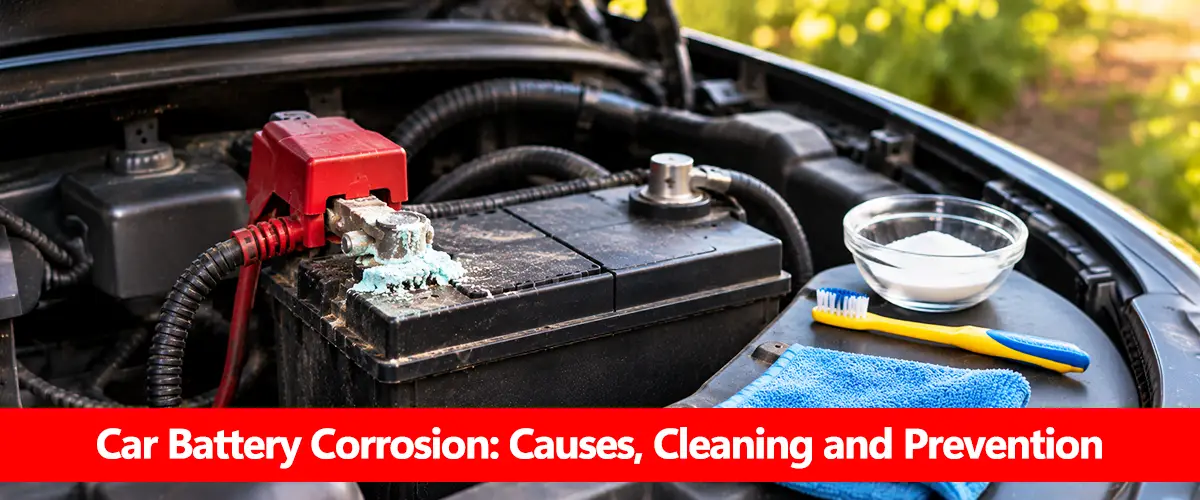
Car battery corrosion is the white, blue or greenish buildup that forms around battery terminals and cable connections. It usually develops when battery-related vapors, moisture or contaminants react with metal surfaces. Over time, corrosion can weaken electrical connections, making the car harder to start or preventing the battery from charging properly.
Light surface corrosion does not necessarily mean the battery needs replacing. However, heavy or recurring buildup deserves attention because it may indicate loose connections, damaged terminals or charging problems. Knowing what causes corrosion and how to handle it safely can help prevent unnecessary starting failures.
What Causes Corrosion on Car Battery Terminals?
Car batteries operate through chemical reactions, and conventional lead-acid batteries contain sulfuric acid electrolyte. Under certain conditions, gases or electrolyte mist can escape through the battery’s venting system and react with exposed metal around the terminals. Moisture, road contaminants and poor electrical connections can make the problem worse. Corrosion may also develop faster when a battery is overcharged or exposed to excessive heat.
The most common contributing factors include:
- Battery vapors: Electrolyte mist can react with metal terminals and cable clamps.
- Overcharging: Excessive charging can increase heating and gassing.
- Loose connections: Poorly secured terminals may worsen electrical and surface deterioration.
- Moisture and dirt: Contaminants encourage corrosion on exposed metal.
- Battery aging: Deteriorating seals or connections may allow recurring buildup.
Corrosion is not always caused by battery failure. A battery may remain electrically healthy even when its terminals need cleaning.
What Does Car Battery Corrosion Look Like?
Battery corrosion usually appears as a powdery or crusty deposit around the positive or negative terminals. Its color depends on the metals and compounds involved.
| Appearance | What It May Indicate |
| White powdery buildup | Corrosion products around battery connections |
| Blue or green deposits | Possible copper-related corrosion |
| Brown or dark deposits | Corrosion or contamination requiring inspection |
| Heavy buildup around cable clamps | Connection deterioration or recurring chemical exposure |
The color alone cannot reliably identify the exact cause. Inspect the battery casing and surrounding connections before attempting to remove deposits. Do not confuse external terminal corrosion with internal battery sulfation. Sulfation affects the battery’s internal plates and is a different problem.
Can Corrosion Cause Starting Problems?
Yes. Corrosion can increase electrical resistance between the battery terminals and cable connections. Since the starter motor requires substantial current, even a poor connection can affect engine starting. You may notice slow cranking, clicking when turning the ignition key or intermittent electrical operation. In some cases, the battery itself has enough charge, but the connection cannot deliver power effectively. Other problems, including a weak battery or faulty starter motor, can produce similar symptoms. If cleaning and restoring the connections does not resolve the issue, follow the diagnostic checks in signs of a bad car battery.
Our how a car battery works guide also explains why reliable electrical connections are important during engine starting.
How to Clean Car Battery Corrosion Safely
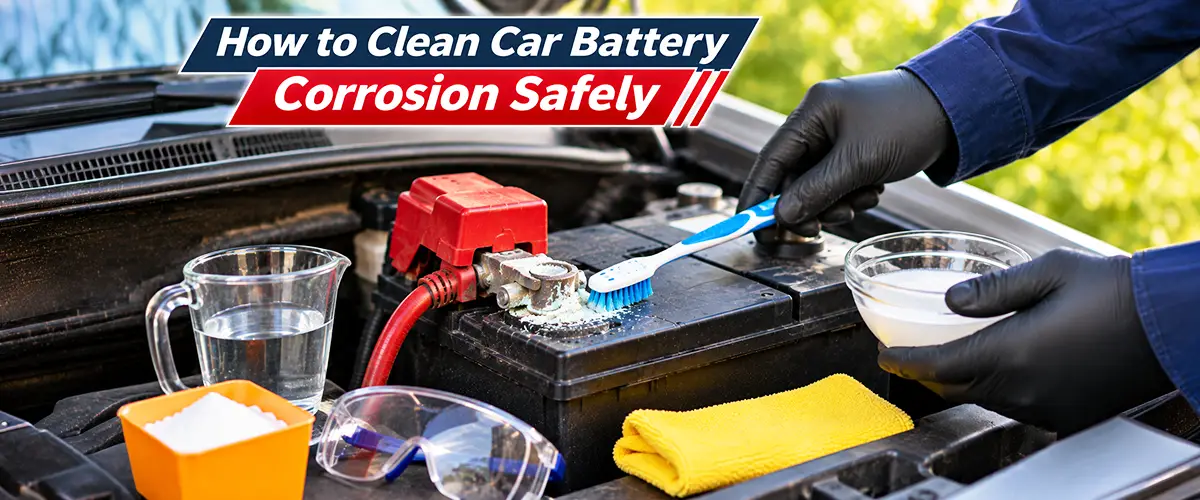
Minor surface corrosion can sometimes be cleaned with suitable materials, but battery safety must come first. If the buildup is extensive, the terminals are damaged or you are unfamiliar with battery connections, professional servicing is the safer option.
For a conventional 12V lead-acid battery, the general process is:
- Switch off the vehicle. Remove the key, turn off accessories and ensure the car is safely parked.
- Inspect the battery. Do not proceed if it is cracked, leaking, swollen or unusually hot.
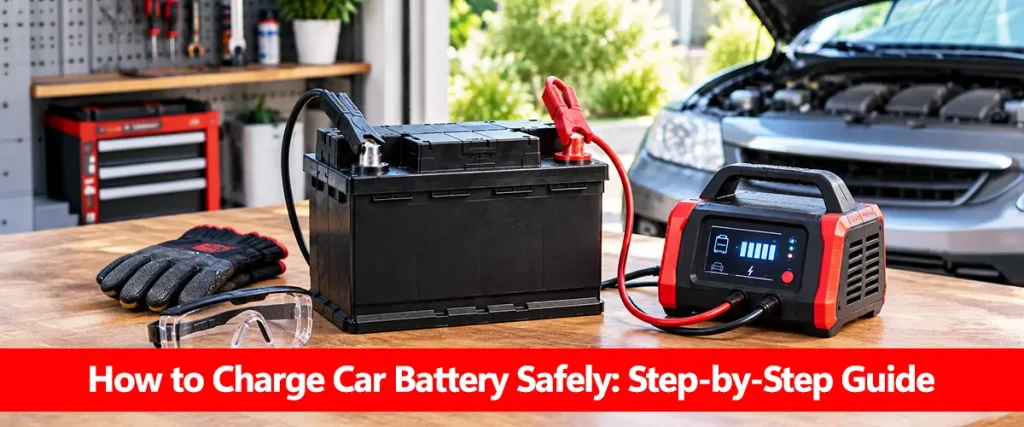
- Wear protection. Use safety glasses and suitable chemical-resistant gloves.
- Check the vehicle manual. If terminal disconnection is permitted, disconnect the negative cable first, then the positive cable.
- Clean the deposits. Carefully apply a small amount of baking-soda-and-water solution to external corrosion using a cloth or suitable brush.
- Remove residue and dry. Keep cleaning liquid out of vents and electrical equipment. Clean and dry the connections according to manufacturer instructions.
- Reconnect correctly. If cables were removed, reconnect positive first and negative last, following the approved procedure.
Important: Never pour cleaning solution into the battery or over its vent openings. Avoid creating sparks, and do not force stuck terminals off their posts.
AAA and Interstate Batteries both recommend appropriate protection and controlled cleaning methods. Modern vehicles may also have battery-monitoring equipment or electronic settings affected by disconnection, so consult a technician when uncertain.
When Cleaning Is Not Enough
Cleaning can restore a poor connection, but it will not repair damaged battery cells, severely deteriorated terminals or faulty charging equipment.
For example, if corrosion returns quickly after servicing, the battery may have a venting or sealing problem. Excessive charging voltage can also contribute to abnormal battery conditions.
A technician should inspect the battery, cable clamps and charging system when corrosion is heavy or repeatedly returns.
| Condition | Recommended Action |
| Light surface corrosion | Clean and inspect connections |
| Loose or damaged cable clamp | Repair or replace the connection |
| Corrosion returns repeatedly | Investigate battery and charging system |
| Slow starting continues after cleaning | Perform battery and starting-system tests |
| Cracked, swollen or leaking battery | Stop use and arrange professional replacement |
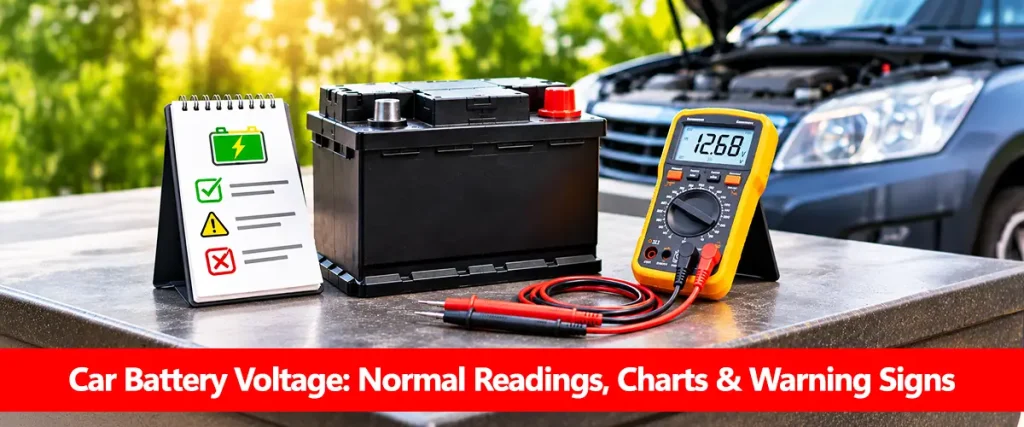
A professional car battery test can help distinguish poor connections from reduced starting performance. Checking car battery voltage may provide an initial indication of charge, but voltage alone does not confirm battery health.
How to Prevent Battery Terminal Corrosion
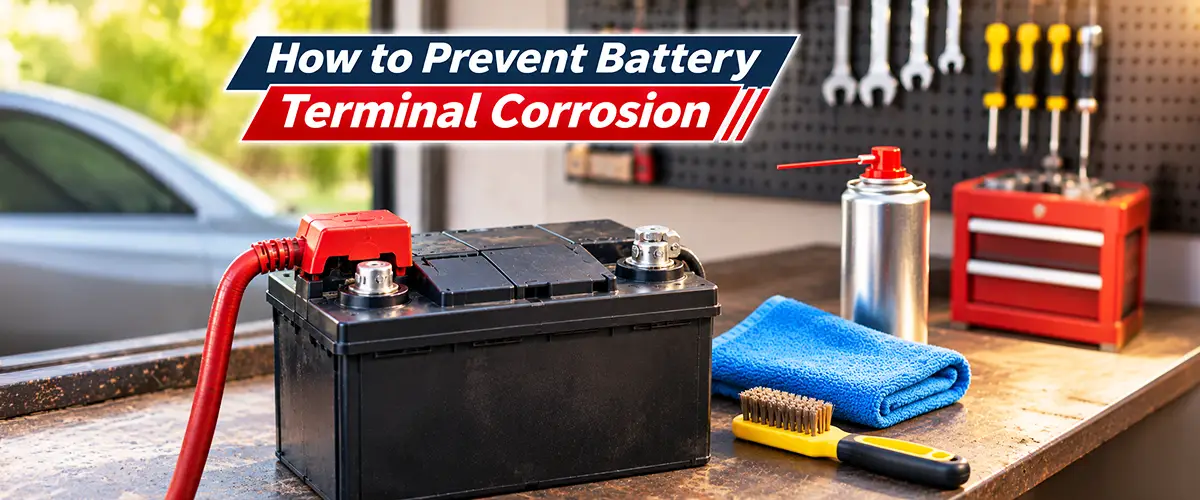
While not every case of corrosion can be prevented, regular inspection helps identify deposits before they affect starting performance.
The most useful preventive measures are:
- Keep battery terminals and the surrounding case clean and dry.
- Make sure connections are secure and the battery is properly mounted.
- Use a manufacturer-approved terminal protectant where recommended.
- Address charging-system faults promptly.
- Inspect the battery periodically, especially during hot weather.
In Pakistan, high summer temperatures can place additional stress on automotive batteries. A battery that frequently becomes discharged or operates under unsuitable charging conditions may deteriorate faster.
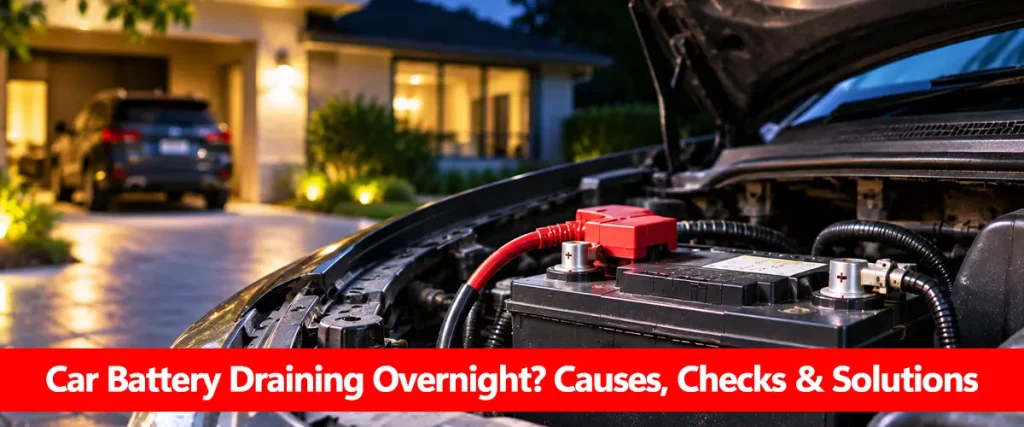
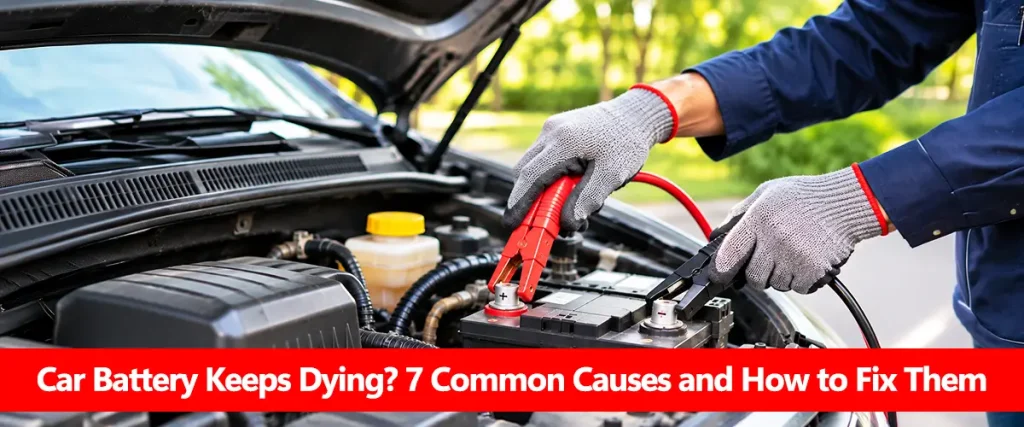
If the vehicle repeatedly loses starting power, our car battery keeps dying guide explains other possible causes. Corrosion can affect electrical connections, but it should not automatically be blamed for a battery draining overnight.
Should You Replace a Corroded Car Battery?
Not necessarily. Minor terminal corrosion is often a maintenance issue rather than proof of complete battery failure. Replacement becomes more likely when the casing is damaged, terminals cannot be repaired safely or a properly charged battery fails an approved performance test. A battery that continues struggling to start the vehicle after connection repairs also needs further diagnosis.
If replacement is necessary, check the manufacturer’s required battery technology, capacity and terminal arrangement. The car battery size guide explains compatibility, while how to replace a car battery covers replacement precautions.
Conclusion
Car battery corrosion usually forms when chemical vapors, moisture and contaminants react with battery terminals or cable connections. Small deposits may only require safe cleaning, but heavy corrosion can interfere with charging and engine starting.
Regular inspections, secure connections and proper charging help reduce recurring buildup. If corrosion keeps returning or the battery shows signs of physical damage, arrange professional testing rather than repeatedly cleaning the terminals.
Frequently Asked Questions
What Causes White Powder on Car Battery Terminals?
White powder is commonly associated with corrosion caused by chemical reactions around lead-acid battery terminals and metal connections.
Is Car Battery Corrosion Dangerous?
It can be. Corrosion may interfere with electrical connections, while battery electrolyte and charging gases present additional hazards. Wear suitable protection and avoid working on damaged batteries.
Can I Clean Battery Corrosion With Baking Soda?
Yes, a carefully applied baking-soda-and-water mixture can help neutralize certain external acid-related deposits. Follow battery and vehicle manufacturer instructions, and keep the solution out of battery vents.
Does Corrosion Mean My Car Battery Is Bad?
No. Light corrosion can occur on an otherwise functional battery. Recurring deposits, physical damage or poor starting performance require further investigation.
Can Corrosion Stop a Car From Starting?
Yes. Heavy corrosion or poor terminal connections can restrict the high electrical current needed by the starter motor.
Why Does Battery Corrosion Keep Coming Back?
Recurring corrosion may indicate excessive chemical exposure, damaged seals, poor connections or charging-system problems. Have the battery and electrical system inspected.
Should I Replace Corroded Battery Terminals?
Replace terminals or cable clamps if they are severely damaged, loose or cannot form a reliable connection after appropriate servicing.
How Often Should I Check for Car Battery Corrosion?
Inspect terminals during routine vehicle maintenance and whenever starting problems occur. More frequent checks may be useful in hot or harsh operating conditions.