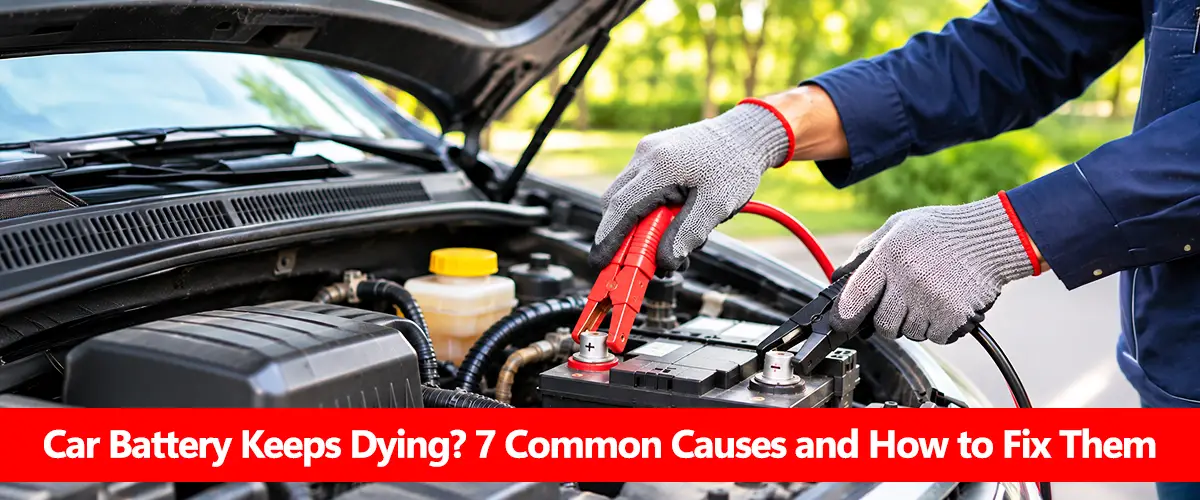
If your car battery keeps dying, the most likely causes are an aging battery, insufficient charging, a faulty alternator or an electrical component draining power while the vehicle is parked. Frequent short journeys, loose terminals and extreme temperatures can also contribute to repeated starting problems.
A car battery should normally provide enough starting power after regular driving and appropriate charging. If your vehicle repeatedly needs a jump-start, the problem requires investigation rather than another temporary recharge. Understanding the signs of a bad car battery can help you identify whether the battery itself or another part of the electrical system needs attention.
Why Does My Car Battery Keep Going Dead?
A battery can become discharged because electricity is being consumed faster than it is replenished, or because the battery can no longer store and deliver sufficient energy.
The pattern of failure often provides useful diagnostic clues.
| What Happens | Possible Cause | First Action |
| Battery dies after several days parked | Standby electrical drain or weak battery | Check accessories and battery condition |
| Battery dies overnight | Excessive parasitic draw or battery deterioration | Arrange standby-current diagnosis |
| Car starts after charging but dies again | Charging-system issue or weak battery | Test battery and alternator |
| Battery repeatedly needs jump-starting | Low charge, aging or electrical fault | Check charging and starting performance |
| New battery dies quickly | Alternator problem or unwanted electrical drain | Diagnose vehicle electrical system |
| Battery struggles after short journeys | Insufficient recharge | Check driving pattern and charge level |
A discharged battery and a defective battery are not necessarily the same thing. The difference matters because replacing a healthy battery will not repair a faulty alternator or unwanted electrical drain.
1. The Battery Is Old or Cannot Hold a Charge
Most conventional car batteries have a typical service life of around three to five years, although high temperatures and repeated discharge can shorten that period. As a battery ages, its usable capacity and starting-current capability may deteriorate. It can appear fully charged but lose power quickly when the starter motor demands high current. A battery that repeatedly fails after proper charging may require a professional conductance or load test.
Our guide on how long car batteries last explains the aging factors, while battery won’t hold charge covers general charge-retention problems.
2. The Alternator Is Not Charging Properly
The alternator normally supplies electricity to the vehicle and replenishes battery charge while the engine runs. If the alternator, drive belt or charging-control system develops a fault, the battery may not receive sufficient energy. As a result, the vehicle might start after an external recharge but fail again after driving. A battery-shaped dashboard warning light that stays on while the engine is running can indicate a charging-system problem. For conventional systems, charging voltage often measures approximately 13.7–14.7V, but modern smart-charging vehicles may operate outside this range under normal conditions.
A qualified technician should test the charging system against the vehicle manufacturer’s specifications. Understanding how a car battery works and normal car battery voltage helps distinguish charging behavior from battery failure.
3. Electrical Accessories Are Draining the Battery
Modern cars continue consuming some electrical energy after the engine is switched off. Alarms, control modules and security equipment can require a small standby current. However, unnecessary electrical consumption may gradually discharge the battery. Common sources include aftermarket dashcams, interior lights, faulty relays, improperly installed audio equipment and electronic modules that fail to enter sleep mode. If the battery repeatedly dies after parking overnight or for a few days, abnormal parasitic draw should be considered. The dedicated car battery draining overnight guide explains how technicians distinguish normal standby consumption from a fault. Avoid disconnecting electronic modules or pulling fuses randomly, especially on modern vehicles.
4. Frequent Short Trips Prevent Full Recharging
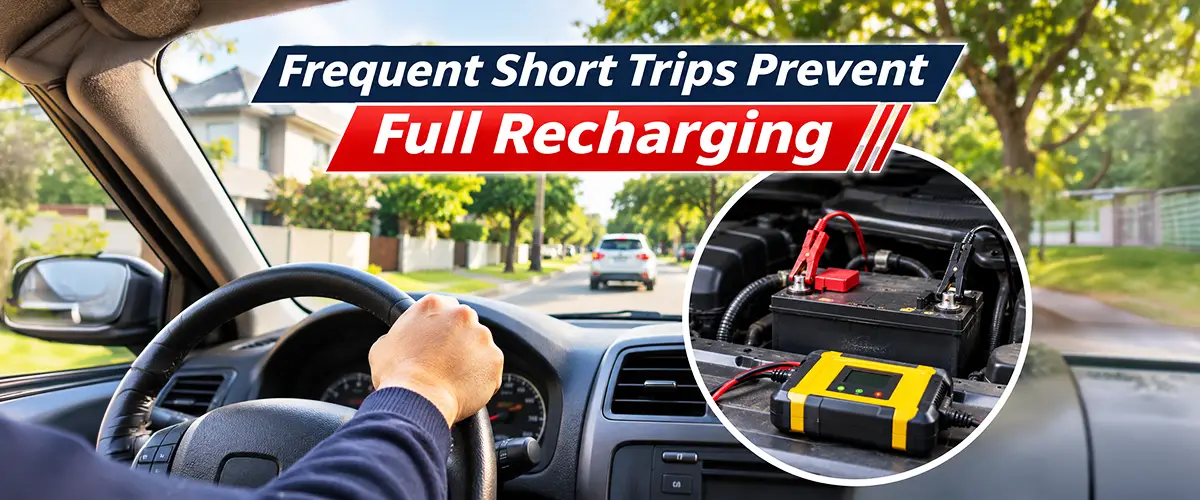
Every engine start removes some energy from the battery. During driving, the charging system normally replaces that energy. However, repeated short journeys may not provide enough time to restore the charge consumed during starting and electrical operation. This can be particularly noticeable when a vehicle is used mainly for brief errands or remains parked for extended periods between journeys.
If the battery is otherwise healthy, an approved external charger may help restore its charge more reliably than repeatedly starting the engine for a few minutes. Our how to charge a car battery guide covers the appropriate charging method and chemistry-specific precautions.
5. Corroded or Loose Battery Connections
Battery terminals need secure electrical connections to deliver the high current required by the starter motor. Corrosion or loose connections can increase resistance, interfere with charging and cause intermittent starting failures. White, blue or greenish deposits around terminals may indicate corrosion, but visible deposits do not necessarily mean the battery’s internal cells are defective. Connections should be inspected and serviced safely, especially if corrosion is extensive. The car battery corrosion guide explains its causes and maintenance considerations.
6. Extreme Heat Is Damaging the Battery
High temperatures can accelerate chemical deterioration inside lead-acid batteries. Repeated exposure to hot under-bonnet conditions may reduce charge retention and starting performance. This is especially relevant in Pakistan, where vehicles may experience extended summer heat. A battery exposed to high temperatures can weaken even when the charging system is working correctly. Keep the battery securely mounted, maintain suitable engine-compartment conditions and arrange periodic testing as it ages. For more on temperature-related deterioration, see battery cycle life and how to check battery health.
7. The Replacement Battery Is Incorrect or Defective
If a new battery keeps dying, investigate the vehicle before purchasing another one. The battery may have insufficient charge from storage, an internal defect or specifications unsuitable for the vehicle. The charging system or a parasitic electrical drain may also be responsible. The replacement must meet the manufacturer’s requirements for battery technology, physical fit, amp-hour capacity and starting-current rating. Some modern vehicles require battery registration or electronic adaptation after replacement. Checking the car battery size guide and car battery CCA requirements can prevent compatibility problems.
How to Diagnose a Car Battery That Keeps Dying
Start with simple observations before moving to professional electrical testing.
- Check accessories: Ensure lights, chargers and aftermarket devices are not drawing unnecessary power when parked.
- Inspect battery condition: Look for visible damage or corrosion without handling unsafe components.
- Check battery age: An older battery may have reduced charge-retention and starting capability.
- Measure resting voltage: Use approved test points and a suitable meter if you can do so safely.
- Recharge appropriately: Restore charge using a compatible charger where the battery condition permits.
- Test starting performance: Arrange a professional battery conductance or load test.
- Check the alternator: Confirm correct charging-system operation.
- Investigate parasitic draw: If battery and charging tests pass, have a technician assess standby electrical consumption.
A conventional, fully charged 12V lead-acid battery commonly measures approximately 12.6–12.8V after resting. However, this reading does not prove that the battery can provide adequate starting current.
Our how to test a car battery guide explains the measurements, while how to test a battery with a multimeter covers general meter precautions.
When Is Battery Drain Normal or Abnormal?
Not every discharge indicates a vehicle fault. Some loss of charge is expected during prolonged parking, particularly when electronic security systems remain active.
What matters is the severity and consistency of the problem.
| Observation | What It Suggests |
| Battery remains healthy after ordinary parking | Normal operation |
| Low charge after many weeks unused | May result from normal standby loads and self-discharge |
| Battery repeatedly dies overnight | Requires investigation |
| Fully charged battery fails starting test | Possible battery deterioration |
| Battery warning light stays on while driving | Charging-system fault possible |
| Battery voltage drops but professional health test passes | Investigate charging or electrical loads |
There is no universal parasitic-current threshold for every car. Normal standby draw depends on the vehicle’s equipment, electronics and sleep behavior. The difference between state of charge and state of health helps explain why a battery may be charged but still unreliable.
Should You Recharge, Jump-Start or Replace the Battery?
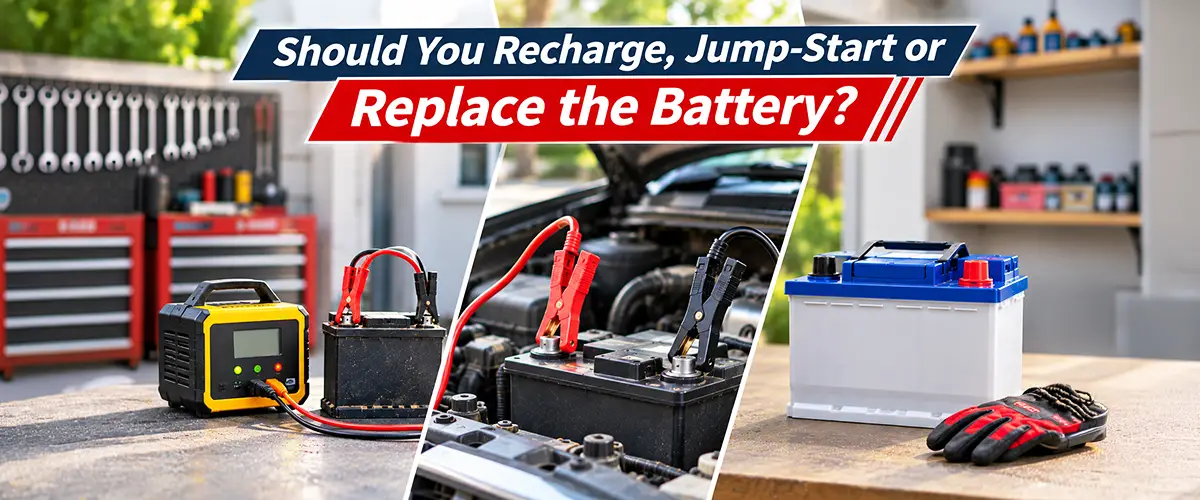
The appropriate solution depends on why the battery became discharged. A healthy battery that went flat because the headlights were left on may recover after proper charging. A battery that fails a professional performance test may need replacement.
A jump-start can help in an emergency, but it does not resolve an alternator fault, parasitic electrical drain or internal battery deterioration. For safe emergency assistance, follow how to jump-start a car. If the vehicle repeatedly needs jump-starting, arrange diagnosis rather than continuing to use it without identifying the cause. Replacement is generally appropriate when the battery cannot retain charge or deliver sufficient starting current after the underlying charging and electrical-system conditions have been checked.
When Should You Stop and Seek Professional Help?
Some battery problems require immediate caution. Do not charge or jump-start a battery that is swollen, cracked, leaking, frozen, unusually hot or producing a strong abnormal odor. If the battery warning light stays on while driving, the vehicle loses electrical power or starting problems continue after charging, seek qualified assistance.
Never disconnect the battery while the engine is running to test the alternator. This can damage vehicle electronics. If replacement is necessary, follow manufacturer requirements or consult how to replace a car battery for the relevant precautions.
How to Prevent Repeated Battery Failure
Once the underlying fault is corrected, a few habits can help maintain reliable starting performance. Turn off unnecessary accessories when parking, keep the charging system in good condition and avoid relying exclusively on short journeys.
If the vehicle remains unused for long periods, consider a manufacturer-approved battery maintainer. Arrange periodic checks of battery condition and electrical connections, particularly before extreme weather. A battery’s rated capacity and condition both matter, but good maintenance cannot compensate for a defective alternator or persistent electrical drain.
Conclusion
If your car battery keeps dying, do not assume the battery itself is always defective. The problem may result from aging, insufficient charging, electrical accessories, corroded connections or excessive parasitic draw. Start with simple checks, recharge the battery safely and arrange proper battery and alternator testing if the problem continues. Investigate standby electrical consumption when a healthy, properly charged battery repeatedly loses power while parked. Identifying the actual cause before replacing the battery helps prevent repeated breakdowns and unnecessary expense.
Frequently Asked Questions
Why Does My Car Battery Keep Dying Even Though It Is New?
A new battery may repeatedly discharge because of a faulty alternator, abnormal parasitic draw, incorrect installation or insufficient charging. The vehicle’s electrical system should be tested.
Why Does My Car Battery Die After Two Days?
A weak battery or excessive standby electrical consumption may be responsible. Check whether electrical accessories remain active and arrange battery and parasitic-draw testing.
Can a Bad Alternator Cause My Battery to Keep Dying?
Yes. If the alternator fails to recharge the battery properly, the vehicle may repeatedly develop starting problems even after external charging.
Why Does My Car Battery Die After Short Trips?
Short journeys may not allow enough time to replenish the energy consumed during starting. Repeated undercharging can gradually reduce available battery power.
Can Corroded Terminals Make a Car Battery Seem Dead?
Yes. Corrosion can interfere with electrical connections and cause starting or charging problems, even when the battery itself is serviceable.
Will Jump-Starting Fix a Battery That Keeps Dying?
No. A jump-start provides temporary starting assistance. The battery, charging system or electrical drain must still be diagnosed.
How Do I Know If My Battery Cannot Hold a Charge?
If a battery repeatedly loses charge after proper charging and fails a professional battery-health test, it may be deteriorating. Charging-system and standby electrical faults should also be excluded.
Can a Car Battery Die Overnight Without Anything Left On?
Yes. Faulty electronic modules, aftermarket accessories or other abnormal electrical loads can consume power while the vehicle is parked.
Should I Replace the Battery or Check the Alternator First?
Both should be tested when repeated discharge occurs. Battery replacement alone will not fix a faulty charging system.