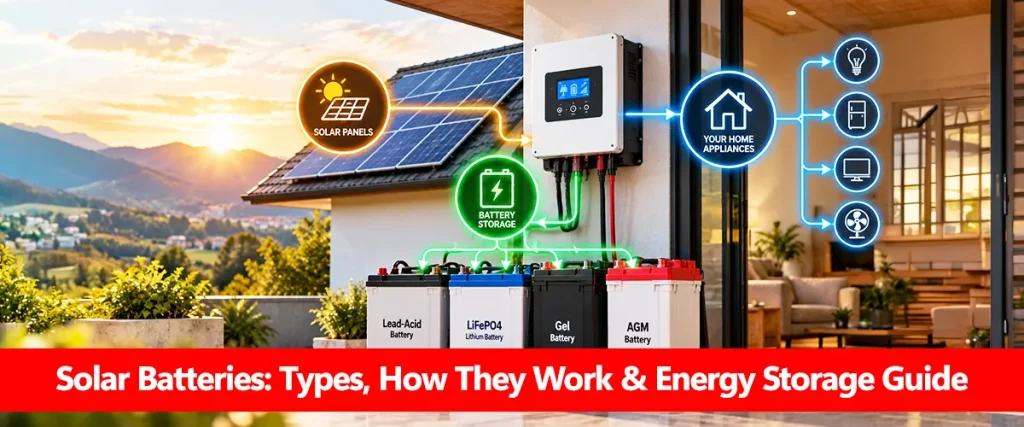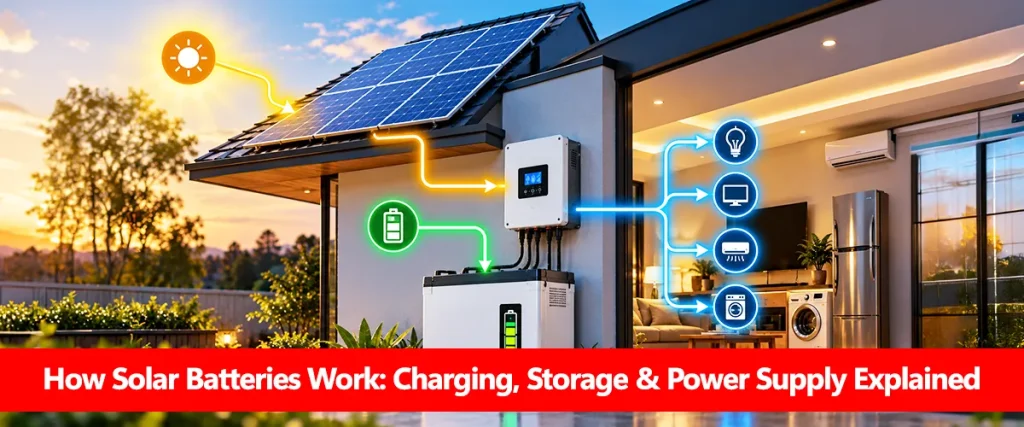
The best solar battery in Pakistan depends on your electricity consumption, hybrid inverter compatibility, required backup time and budget. For homes using battery storage daily, LiFePO4 batteries are often a strong choice because of their usable capacity, cycle-life potential and low routine maintenance.
Brands such as Dyness, Pylontech and Inverex offer lithium battery options, while Osaka and Exide manufacture tubular lead-acid batteries suitable for selected solar and backup applications. Before choosing, it is important to compare actual specifications rather than brand reputation alone.
Best Solar Battery Brands in Pakistan to Consider
Pakistan’s solar battery market includes international lithium storage manufacturers and established local lead-acid battery brands. The following models provide useful examples of different storage options.
| Brand & Model | Battery Type | Published Capacity | Key Consideration |
| Dyness DL5.0C | LiFePO4 | 5.12kWh | Modular expansion and cycle-life rating |
| Pylontech US5000 | LiFePO4 | 4.8kWh | Published usable capacity and inverter integration |
| Inverex INV-LV-IP21 5.1 | LiFePO4 | 5.12kWh | Integrated BMS and local product support |
| Osaka HT-2500 | Tubular lead-acid | 12V, 250Ah | Deep-cycle construction and maintenance |
| Exide TR series | Tubular lead-acid | Model-dependent | Solar/UPS applications and local availability |
Specifications refer to the named products or model families, not every battery sold under these brands. Availability and warranty terms should be confirmed with authorized Pakistani dealers.
These options serve different budgets and applications. A buyer seeking daily solar battery storage may prioritize lithium technology, while a household needing occasional backup may consider tubular lead-acid batteries.
Dyness and Pylontech: Lithium Batteries for Daily Solar Use
Dyness and Pylontech offer LiFePO4 batteries designed for residential energy storage. Both provide modular solutions that may support additional battery capacity when the inverter and battery configuration permit expansion.
The Dyness DL5.0C has 5.12kWh nominal capacity, a manufacturer-published cycle-life rating of at least 6,000 cycles and support for approved parallel expansion. The Pylontech US5000 provides 4.8kWh nominal capacity and 4.56kWh published usable capacity, with CAN and RS485 communication interfaces.
These figures demonstrate why usable energy, charging limits and expansion options should be compared alongside nominal capacity. The appropriate LiFePO4 battery depends on the exact inverter model, manufacturer compatibility list and installation requirements.
Inverex Solar Batteries: A Local-Market Option
Inverex offers lithium battery solutions for residential solar installations in Pakistan. Its INV-LV-IP21 5.1 model uses LiFePO4 chemistry, provides 5.12kWh nominal energy and includes battery management and monitoring features.
The manufacturer lists five-year product and service warranties for this model. However, buyers should confirm written warranty conditions, authorized installation requirements and the support available for their particular inverter.
For systems already using compatible Inverex equipment, a battery from the same manufacturer may simplify integration, but compatibility should still be verified by exact model. A battery management system helps monitor lithium cells, while the inverter must provide suitable charging and discharge control.
Osaka and Exide: Tubular Batteries for Solar Backup
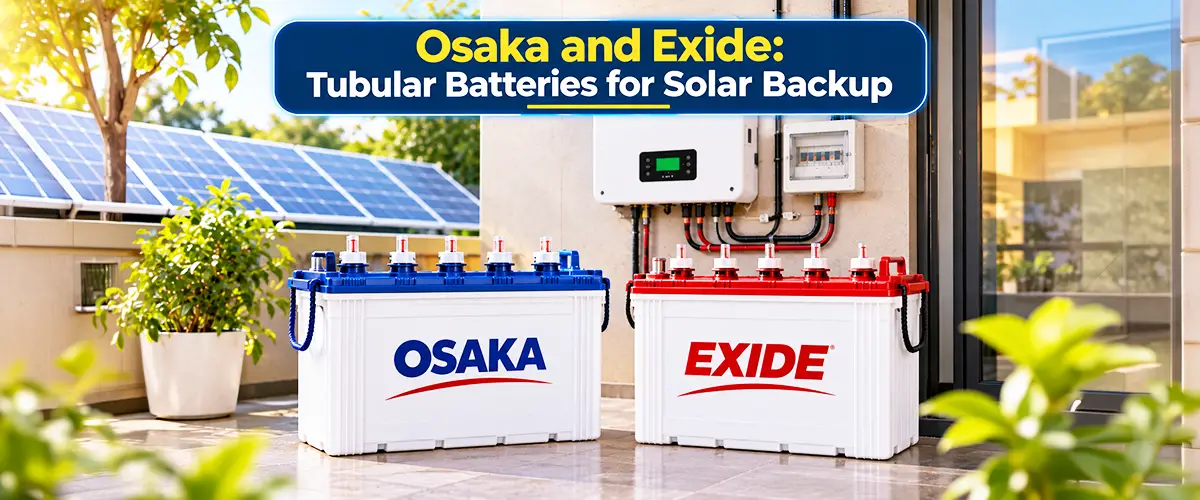
Osaka and Exide are established names in Pakistan’s lead-acid battery market. Their tubular battery ranges are relevant for solar inverters, UPS installations and backup systems where initial affordability matters.
For example, the Osaka HT-2500 is a 12V, 250Ah tubular battery with deep-cycle construction. Exide also offers solar/UPS tubular batteries through its TR series, with capacity varying by model.
Unlike sealed lithium batteries, many flooded tubular batteries require electrolyte monitoring, distilled-water maintenance and suitable ventilation.
When comparing these products against lithium storage, consider usable capacity and long-term replacement requirements. Our lithium vs tubular battery for solar guide explains these differences in more detail.
Which Solar Battery Is Better for Your Home?
The best solar battery is not necessarily the one with the highest nominal capacity. Different households have different backup requirements, inverter configurations and budgets.
| Household Requirement | Battery Option to Consider |
| Daily nighttime solar storage | Compatible LiFePO4 battery |
| Frequent load-shedding | LiFePO4 with adequate usable capacity |
| Lower initial budget | Suitable tubular lead-acid battery |
| Minimal routine maintenance | LiFePO4 |
| Existing tubular inverter system | Compatible tubular or approved lithium upgrade |
| Future capacity expansion | Manufacturer-approved modular lithium system |
| Occasional emergency backup | Tubular or lithium, depending on budget |
For a broader chemistry comparison, best battery type for solar explains the characteristics of lithium, AGM, gel and tubular designs. The main purchasing decision should reflect expected use rather than a universal brand ranking.
Check Battery Capacity Before Comparing Brands
Solar battery capacity is commonly expressed in kilowatt-hours (kWh), while traditional lead-acid batteries are often labeled in amp-hours (Ah).
For example, a 51.2V 100Ah lithium battery stores approximately 5.12kWh of nominal energy. However, the electricity available to household appliances will be lower after permitted discharge limits and inverter losses are considered.
Accurate solar battery sizing should consider daily electricity consumption, desired backup hours and system efficiency. The number of individual units can then be determined through how many batteries for solar.
Buyers should compare depth of discharge and usable kWh rather than assuming that batteries with similar Ah ratings deliver the same practical energy.
Inverter Compatibility Is More Important Than Brand Popularity
A battery must match the inverter’s supported voltage range, charging profile, maximum current and communication requirements. Some lithium batteries require specific CAN or RS485 communication settings, while other installations use different approved control arrangements.
Before purchasing, verify:
- Battery chemistry and operating voltage.
- Hybrid inverter compatibility by exact model.
- Charging and discharging current limits.
- BMS communication requirements.
- Battery expansion and connection limits.
- Backup power and surge capability.
- Manufacturer-approved installation conditions.
If you plan to add batteries to an existing solar system, check whether the current inverter supports storage directly or requires additional equipment.
A compatible battery charging profile is also essential, particularly when switching from lead-acid to lithium technology.
Compare Warranty, Lifespan and After-Sales Support
Warranty quality matters as much as battery capacity. A long advertised warranty is useful only when its conditions, exclusions and claim process are clearly documented.
Key specifications to compare include:
| Buying Factor | What to Verify |
| Warranty period | Written coverage for the exact model |
| Capacity retention | Guaranteed remaining capacity, if specified |
| Cycle life | Test conditions and end-of-life capacity |
| Energy throughput | Total covered energy delivery, if specified |
| Safety certification | Genuine product-specific documentation |
| Local support | Authorized distributor and service procedure |
| Inverter compatibility | Manufacturer-approved model pairing |
A battery with a high cycle-life claim does not automatically offer better value without considering temperature, depth of discharge and warranty restrictions. Our how long solar batteries last guide explains the factors influencing battery aging.
For long-term ownership, proper solar battery maintenance is equally important, especially in Pakistan’s hotter regions where unsuitable battery-room temperatures can accelerate degradation.
Solar Battery Price vs Long-Term Value in Pakistan
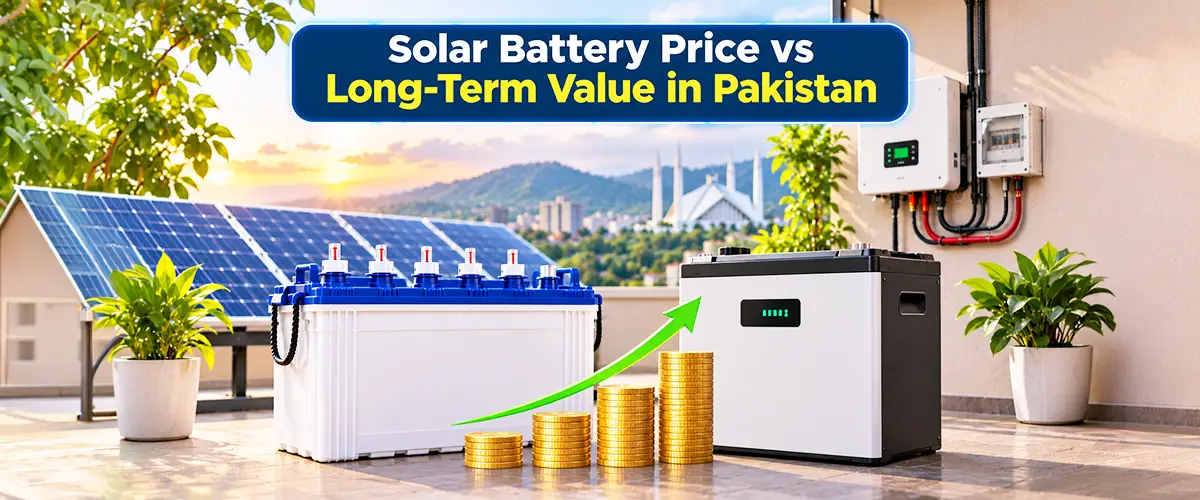
Tubular batteries often cost less initially than comparable lithium storage systems. Lithium batteries typically require a higher upfront investment but may provide longer cycle life, greater usable energy and lower routine maintenance.
The better financial choice depends on how often the battery cycles, replacement frequency, efficiency and installation costs.
For current market comparisons, refer to solar battery price in Pakistan. Chemistry-specific pricing is covered separately in lithium solar battery price in Pakistan and tubular solar battery price in Pakistan.
Prices can change with model availability, import costs, dealer margins and warranty packages. Always request a quotation for the exact battery model.
Final Solar Battery Buying Checklist
Before choosing a solar battery in Pakistan, compare the following:
- Calculate required usable storage in kWh.
- Identify whether the battery will cycle daily or provide occasional backup.
- Choose a chemistry suited to the expected application.
- Confirm compatibility with the exact inverter model.
- Review charging current, voltage and BMS requirements.
- Compare manufacturer cycle-life and warranty conditions.
- Verify an authorized dealer, installation support and documentation.
- Consider maintenance, heat exposure and replacement costs.
A battery designed for automotive starting is not necessarily suitable for frequent solar cycling. If the main requirement is UPS backup rather than solar energy storage, best UPS battery in Pakistan covers that separate use case.
Conclusion
The best solar battery in Pakistan depends on battery chemistry, usable capacity, inverter compatibility, warranty and expected usage.
Dyness, Pylontech and Inverex offer lithium storage options worth comparing for daily solar cycling, while Osaka and Exide tubular batteries remain relevant for budget-sensitive backup installations.
Rather than selecting a battery solely by brand or price, compare verified model specifications, local after-sales support and total ownership cost. A compatible, correctly sized battery will generally provide more practical value than a higher-capacity model that does not match the solar system.
Frequently Asked Questions
Which Is the Best Solar Battery in Pakistan?
There is no single best model for every household. LiFePO4 batteries are often suitable for frequent solar cycling, while tubular batteries may be practical for lower upfront budgets. The best choice depends on the inverter and storage requirements.
Which Lithium Battery Brands Are Available in Pakistan?
Examples found in Pakistan’s solar market include Dyness, Pylontech and Inverex. Availability, specifications and authorized warranty coverage vary by model and seller.
Is a Lithium Battery Better Than a Tubular Battery for Solar?
Lithium generally offers higher usable capacity, longer cycle-life potential and lower maintenance. Tubular batteries usually have a lower initial cost. The differences are covered in lead acid vs lithium solar battery.
Which Battery Is Suitable for a 5kW Solar System?
The appropriate battery depends on household energy consumption, required backup duration and inverter compatibility. A 5kW solar panel system does not automatically require a particular battery capacity.
Are Osaka and Exide Batteries Good for Solar?
Their suitable tubular models are designed for solar, UPS or deep-cycle applications. Buyers should compare specific model ratings, maintenance requirements and charging compatibility.
What Warranty Should I Look for in a Solar Battery?
Check the written warranty period, capacity retention terms, energy throughput conditions, installation requirements and the process for making claims through an authorized Pakistani distributor.
Can I Use a Solar Battery With Any Hybrid Inverter?
No. Battery voltage, charging profile, communication protocols and current limits must match the inverter. Always verify compatibility by exact model.
Should I Buy a Solar Battery or a Car Battery for Backup?
A solar deep-cycle battery is generally better suited to repeated energy storage cycles than a conventional automotive starting battery. Our best car battery in Pakistan guide covers automotive applications separately.